

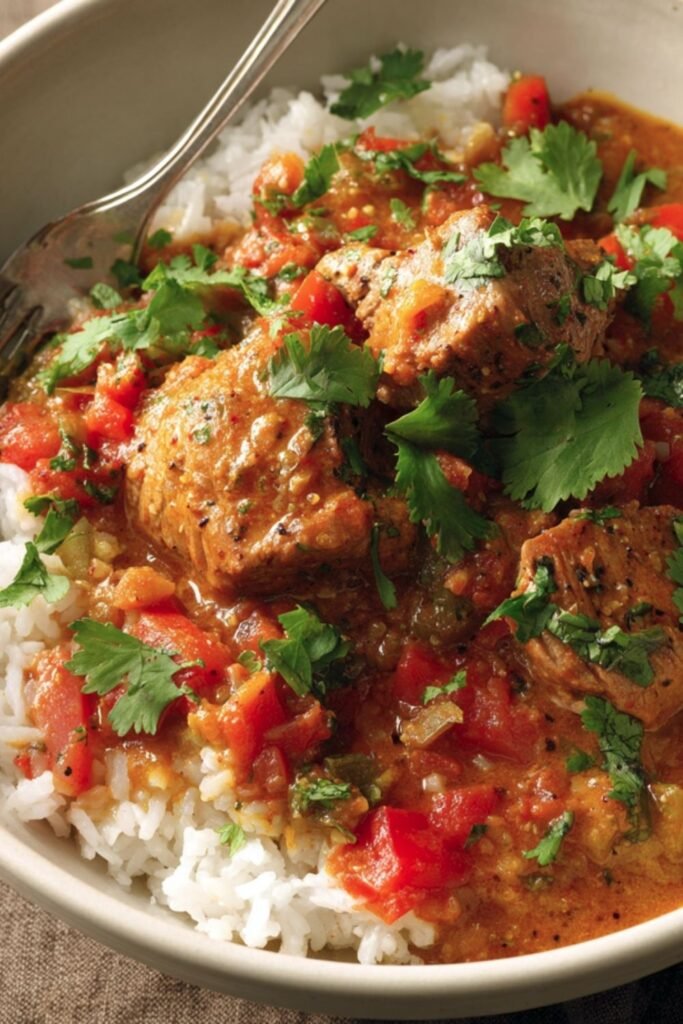
Looking for a fail-safe way to cook pork tenderloin? Mary Berry pork tenderloin recipes offer the perfect solution with tried-and-tested methods that work every single time. Her approach combines simple seasoning with precise cooking times to create tender, flavorful meat that melts in your mouth. This versatile recipe adapts beautifully to different occasions, from casual family dinners to elegant entertaining, proving that impressive doesn’t have to mean complicated.
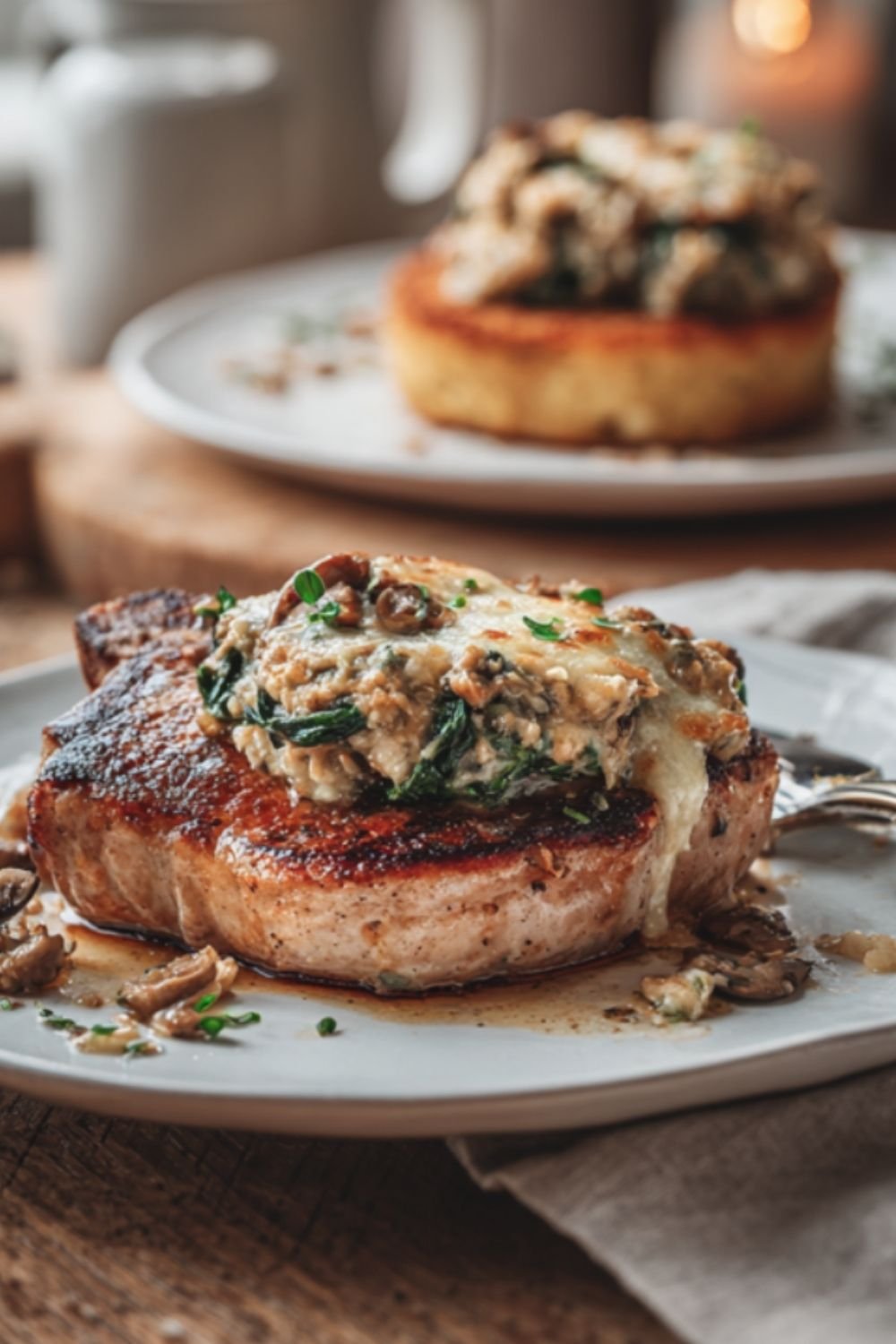
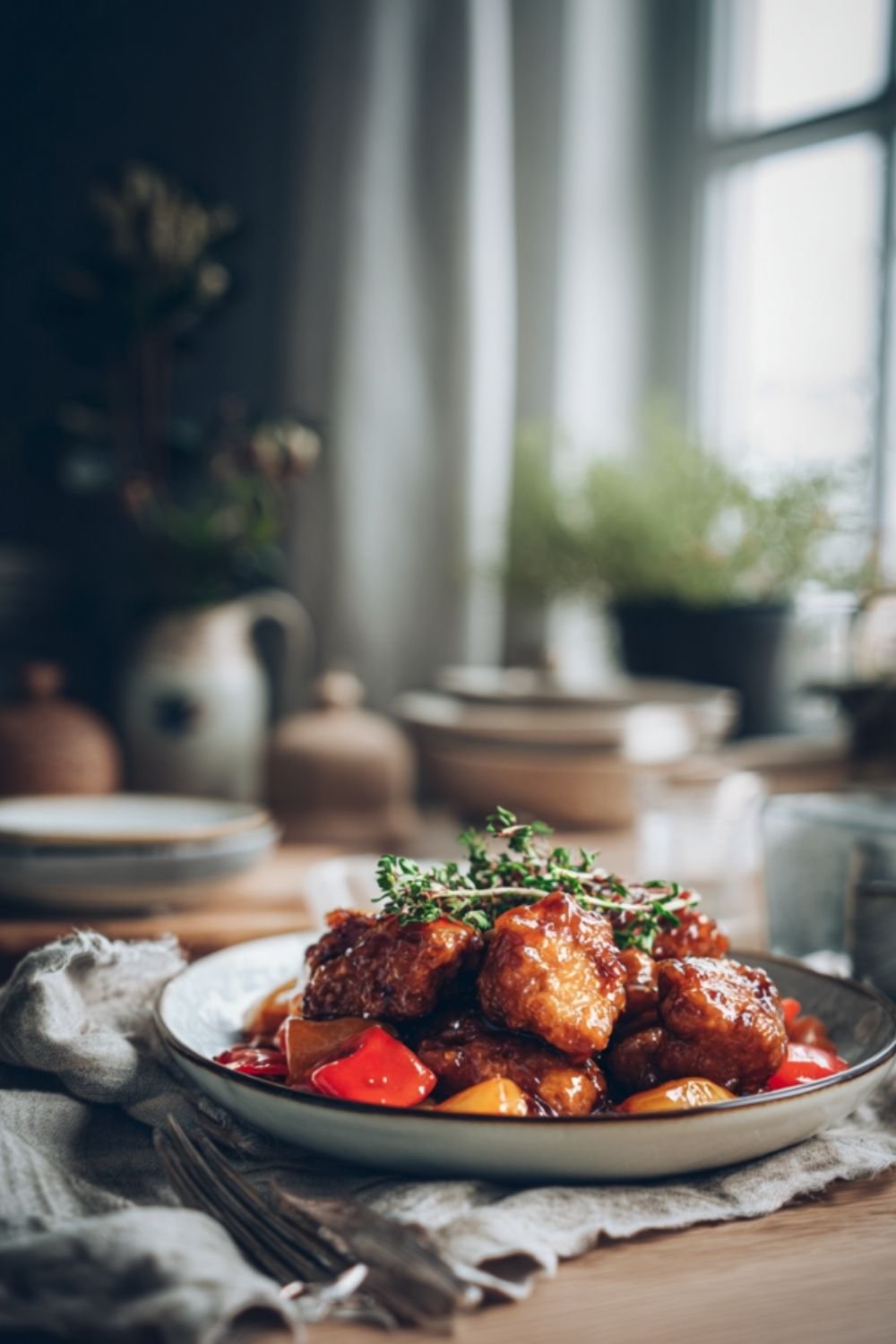
Why You’Ll Love This Mary Berry Pork Tenderloin
If you’re craving something that tastes like you’ve spent hours slaving away in the kitchen but actually comes together in maybe thirty minutes, this pork tenderloin is your answer. I find the combination of ginger, fresh chiles, and curry powder creates this incredible depth that makes people think you’ve attended culinary school.
The coconut milk mellows everything out beautifully, while the bell peppers and tomatoes add brightness without overwhelming the dish. What appeals to me most is how adaptable it is. You could swap the pork for chicken or shrimp if you wanted.
The spice mix isn’t brutally hot either, so it works for most palates. Plus, it’s genuinely impressive looking when you plate it up, which never hurts when you’ve got company coming over.
This pork tenderloin impresses dinner guests beautifully, but Mary Berry’s Red Lentil Curry is perfect for cozy family nights. It’s comforting, incredibly flavorful, and comes together in one pot with minimal fuss.
What Ingredients Are In Mary Berry Pork Tenderloin?
This pork tenderloin recipe brings together aromatic spices and creamy coconut milk to create a dish that’s both elegant and surprisingly simple to prepare. The ingredient list is straightforward, with most items readily available at your local grocery store. The spice mix forms the flavor foundation, while the pork and vegetables provide substance and texture to create a well-balanced, restaurant-quality meal.
Spice Mix:
- 1 inch (2.5 cm) piece fresh ginger, peeled and grated
- 2 fresh red chiles, halved, seeded, and finely chopped
- 1 garlic clove, crushed
- 1 tablespoon mild curry powder
- Salt and black pepper to taste
For the Pork:
- 1½ lb (675 g) pork fillet (tenderloin), trimmed and cut into ¼ inch (5 mm) strips
- 2 tablespoons sunflower oil
- 8 scallions, cut into 1 inch (2.5 cm) pieces
- 1 large red bell pepper, halved, seeded, and cut into thin strips
- 1 × 14 oz (400 g) can chopped tomatoes
- 1 × 14 oz (400 g) can coconut milk
- 2 tablespoons chopped fresh cilantro
- 1 tablespoon lemon juice
- Cilantro sprigs for garnish
Pick up a fresh, well-trimmed pork tenderloin to save yourself prep work later. Fresh ginger and chiles will give you much better flavor than anything dried or powdered, so it’s worth grabbing quality produce. Want less heat? Just use fewer chiles or scrape out the seeds. Don’t forget to give that coconut milk can a good shake before opening it so the cream mixes back in properly and you get a nice, smooth sauce.
How To Make This Mary Berry Pork Tenderloin

- Prepare the spice mix by combining the ginger, chiles, garlic, and curry powder in a bowl, seasoning generously with salt and pepper. Add the pork strips to the bowl and toss them thoroughly in the spice mixture until every piece is well coated. Cover the bowl and refrigerate for 2 hours to let the flavors penetrate the meat.
- Heat a wok or large frying pan over high heat, then add the oil and let it heat until it shimmers. Working in batches to avoid overcrowding, add the marinated pork strips and stir-fry for 5 minutes, tossing frequently, until the meat is browned on all sides and slightly caramelized.
- Add the scallions to the wok and stir-fry for 1 minute until they soften and become fragrant. Toss in the red bell pepper and continue stir-frying for another minute. Pour in the tomatoes, coconut, and ¼ cup water, stirring everything together well.
- Bring the mixture to a boil, then reduce the heat to low, cover the wok with a lid, and simmer very gently for 15 minutes or until the pork becomes tender and the sauce thickens slightly.
- Stir in the chopped cilantro and lemon juice, then taste and adjust the seasoning with additional salt and pepper as needed. Transfer to a serving dish, garnish with fresh cilantro sprigs, and serve hot alongside fluffy rice.

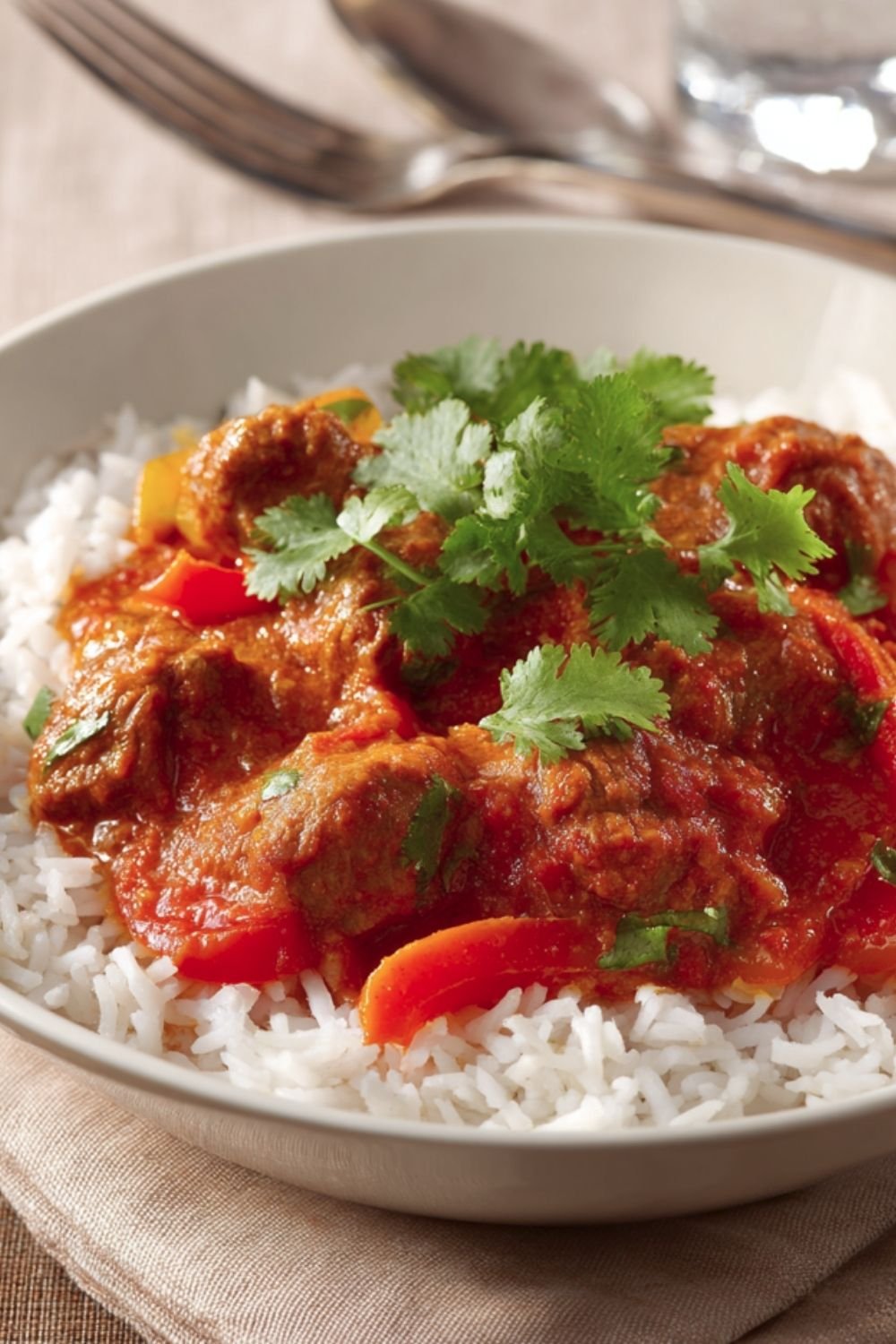
Mary Berry Pork Tenderloin Recipes
Ingredients
Method
- Prepare the spice mix by combining the ginger, chiles, garlic, and curry powder in a bowl, seasoning generously with salt and pepper. Add the pork strips to the bowl and toss them thoroughly in the spice mixture until every piece is well coated. Cover the bowl and refrigerate for 2 hours to let the flavors penetrate the meat.
- Heat a wok or large frying pan over high heat, then add the oil and let it heat until it shimmers. Working in batches to avoid overcrowding, add the marinated pork strips and stir-fry for 5 minutes, tossing frequently, until the meat is browned on all sides and slightly caramelized.
- Add the scallions to the wok and stir-fry for 1 minute until they soften and become fragrant. Toss in the red bell pepper and continue stir-frying for another minute. Pour in the tomatoes, coconut, and ¼ cup water, stirring everything together well.
- Bring the mixture to a boil, then reduce the heat to low, cover the wok with a lid, and simmer very gently for 15 minutes or until the pork becomes tender and the sauce thickens slightly.
- Stir in the chopped cilantro and lemon juice, then taste and adjust the seasoning with additional salt and pepper as needed. Transfer to a serving dish, garnish with fresh cilantro sprigs, and serve hot alongside fluffy rice.
Notes
What’S The Best Method To Cook A Pork Tenderloin?
The best method for cooking pork tenderloin depends on your desired outcome, but pan-searing followed by oven roasting delivers consistently excellent results. Start by searing the tenderloin in a hot skillet to create a flavorful golden crust, then transfer it to a preheated oven at 400°F (200°C) to finish cooking. This combination ensures a beautifully caramelized exterior while keeping the interior juicy and tender. For quicker weeknight meals, slicing the tenderloin into medallions or strips and stir-frying works wonderfully. This method cooks the meat rapidly over high heat, sealing in moisture while developing deep flavor through the Maillard reaction. It’s perfect for dishes with sauces or marinades, as the smaller pieces absorb flavors more effectively. Regardless of your chosen method, always use a meat thermometer to check for doneness at 145°F (63°C), then let the meat rest for 5 minutes before slicing. Pork tenderloin is naturally lean, so avoiding overcooking is crucial for maintaining its tender, succulent texture.What’S The Best Method To Cook A Pork Tenderloin?
The best method for cooking pork tenderloin depends on your desired outcome, but pan-searing followed by oven roasting delivers consistently excellent results. Start by searing the tenderloin in a hot skillet to create a flavorful golden crust, then transfer it to a preheated oven at 400°F (200°C) to finish cooking. This combination ensures a beautifully caramelized exterior while keeping the interior juicy and tender.
For quicker weeknight meals, slicing the tenderloin into medallions or strips and stir-frying works wonderfully. This method cooks the meat rapidly over high heat, sealing in moisture while developing deep flavor through the Maillard reaction. It’s perfect for dishes with sauces or marinades, as the smaller pieces absorb flavors more effectively.
Regardless of your chosen method, always use a meat thermometer to check for doneness at 145°F (63°C), then let the meat rest for 5 minutes before slicing. Pork tenderloin is naturally lean, so avoiding overcooking is crucial for maintaining its tender, succulent texture.
Mary Berry Pork Tenderloin Substitutions And Variations
Now that you’ve got the basic technique down, you can get creative with this recipe without losing what makes it so darn good. I’d swap the pork tenderloin for chicken breast if I wanted something milder, though you’d need to reduce cooking time slightly.
The coconut milk? Swap it for heavy cream if you’re avoiding coconut, but honestly, the tropical vibe is half the charm. Can’t find fresh red chiles? Use dried ones or sriracha instead. I might toss in snap peas or bok choy alongside the bell peppers for extra crunch. The cilantro’s negotiable too—basil works in a pinch.
Want less heat? Remove those chile seeds entirely. These swaps keep the dish’s soul intact while letting your pantry limitations work with you, not against you.
What To Serve With Mary Berry Pork Tenderloin
How do you want to round out this fragrant, creamy curry without overshadowing it? I’d lean toward something neutral and absorptive. Fluffy jasmine rice works beautifully—it’ll soak up that coconut sauce like it’s got a job to do. Basmati’s equally solid if that’s what you’ve got on hand.
Want something with texture? Naan bread’s your friend. You’ll tear into it, scoop up pork and sauce, and suddenly you’re living your best life. Honestly, flatbread makes everything taste fancier than it actually is.
If you’re feeling ambitious, a simple cucumber salad cuts through the richness without stealing the show. Just cool cucumbers, red onion, lime juice, and a pinch of salt. Nothing complicated. The creaminess needs that little bright counterpoint, you know.
Final Thoughts
This pork tenderloin curry isn’t some fussy restaurant dish that demands your undivided attention for hours—it’s genuinely one of those recipes where the technique stays simple but the flavors get seriously impressive. You’re fundamentally searing meat, tossing in aromatics, and letting everything simmer together in coconut milk. The spice blend does the heavy lifting for you, transforming ordinary ingredients into something that tastes like you’ve spent all day cooking. What I love most is how forgiving it is. Overcooked the pork slightly? The curry’s richness masks it. Want less heat? Dial back the chiles. This dish proves that impressive home cooking doesn’t require fancy skills or endless prep work. Just good ingredients, decent timing, and confidence in Mary Berry’s straightforward approach.