

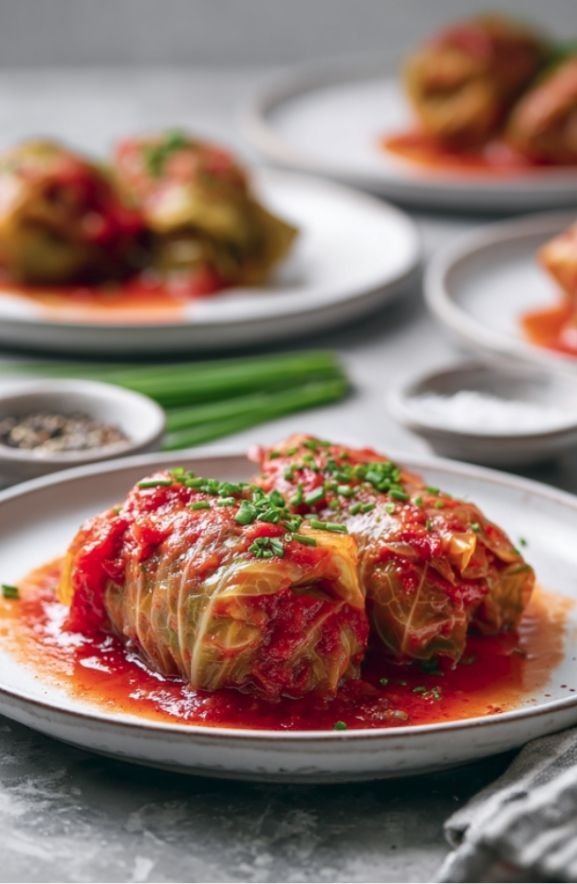
My grandmother made cabbage rolls every autumn without consulting a recipe or a calendar. She’d blanch whole heads of cabbage until the leaves softened, then fill each one with rice and meat she’d seasoned the day before. I’d watch her roll them carefully, tucking the edges in with practiced hands, arranging them in a baking dish like she was tucking children into bed. The tomato sauce went on last, and the whole thing went into the oven for hours. The smell that came out was the smell of her kitchen, which meant comfort arriving on time.
I make them now the way she taught me, though I’ve added my own touches. Sometimes I use a mix of grains instead of just rice. The filling goes together while I’m thinking about something else, my hands remembering the proportions. Rolling them takes patience but not much skill. Each one gets laid seam-side down, tucked snugly against the next. I pour sauce over everything and let the oven do most of the work. By dinner time, the flavors have melded into something deeper than their separate parts.
Homemade cabbage rolls appear when I want to slow down and cook properly. They’re not quick, which is partly why I make them. On cold evenings, I pull a dish from the freezer and reheat it, and suddenly the house feels full. People eat quietly, thoughtfully. There’s something about the ritual of unwrapping each roll that makes everyone present at the table.
Why You’Ll Love This Cabbage Rolls
Have you ever bitten into a cabbage roll and wondered how something so humble could taste so satisfying? I think what makes them special is that perfect combo of tender cabbage, seasoned meat, and savory broth all working together.
They’re the kind of dish that feels fancy but doesn’t require you to be some fancy cook. I love how forgiving they are, honestly. You can use beef or veal depending on what you’ve got. The rice absorbs all those delicious flavors, and the fresh dill and parsley add brightness that keeps things interesting.
Plus, there’s something deeply comforting about food wrapped in leaves. It’s like edible comfort, which might sound dramatic but it’s true. They freeze beautifully too, making future you pretty happy.
Want a versatile and warming soup that works perfectly for meal prep or a quick weeknight dinner? Our Cabbage Soup is wonderfully easy to customize with your favorite vegetables and proteins, making it an ideal go-to recipe year-round.
What Ingredients Are In Cabbage Rolls?
Making homemade cabbage rolls requires a thoughtful combination of simple, wholesome ingredients that come together to create a dish greater than the sum of its parts. Each component plays a pivotal role in building layers of flavor and texture, from the tender cabbage wrapper to the savory, herb-infused filling. The beauty of this recipe lies in how these basic pantry staples and fresh ingredients transform into something truly satisfying and memorable.
Ingredients:
- 1 whole cabbage
- 2 lbs raw ground beef or ground veal (or your choice of ground meat)
- 1 cup uncooked rice
- Fried onions
- 1 egg
- Salt and pepper to taste
- Fresh parsley, chopped
- Fresh dill, chopped
- Tomato paste
- Chicken broth or beef broth
When selecting your ingredients, keep in mind that the quality of your meat will greatly impact the final flavor of your rolls. Choose ground beef or veal that is freshly ground if possible, as this affects both taste and texture. The rice should be uncooked to allow it to absorb the surrounding broth as the rolls cook.
Fresh herbs like dill and parsley are strongly recommended over dried varieties, as they provide a brightness and aromatic quality that dried herbs cannot replicate. Additionally, having both chicken and beef broth on hand gives you flexibility in achieving your desired flavor profile, depending on whether you use beef or veal in your filling.
How To Make This Cabbage Rolls
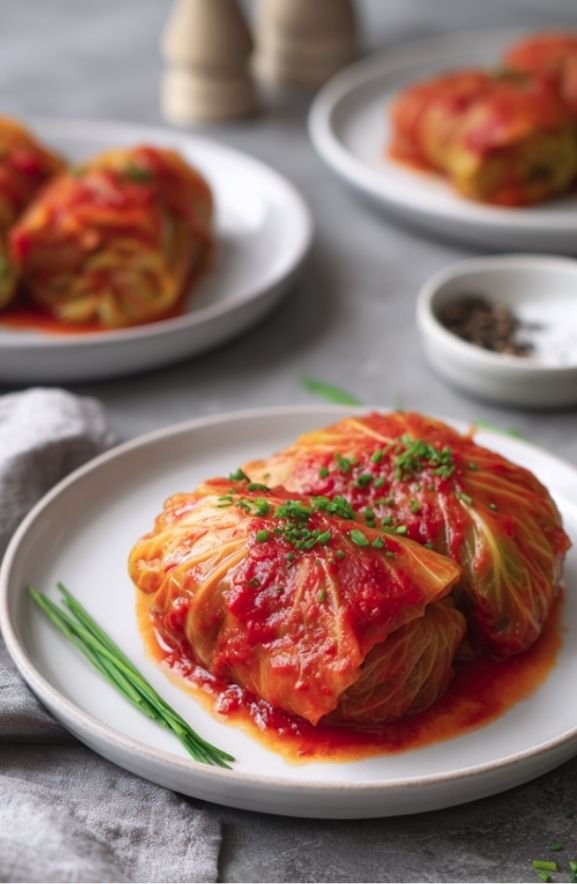
- Begin by preparing your cabbage for rolling. Bring a large pot of salted water to a boil and carefully place 1 whole cabbage into the pot. Allow it to cook for approximately 10-15 minutes until the outer leaves become pliable and can be easily separated.
- Once softened, carefully peel away individual leaves and set them aside on a clean surface to cool. If the inner leaves are still too firm, return the cabbage to the boiling water for a few more minutes.
- While the cabbage cools, prepare your filling by combining 2 lbs of raw ground beef or ground veal with 1 cup of uncooked rice, a handful of fried onions, 1 egg, salt, pepper to taste, fresh parsley and fresh dill (both chopped), and 2-3 tablespoons of tomato paste. Mix these ingredients together thoroughly until well combined, being careful not to overwork the meat.
- To assemble the rolls, lay a cabbage leaf flat on your work surface and place approximately 2-3 tablespoons of filling near the stem end of the leaf. Fold the sides of the leaf inward, then roll tightly away from you, creating a compact bundle.
- Place each roll seam-side down in a baking dish or large pot. Continue this process until all filling is used and all rolls are assembled.
- Pour chicken broth or beef broth (approximately 2-3 cups) over the assembled rolls, ensuring they are partially covered. Cover the baking dish with foil or a lid and bake at 350°F for approximately 45-50 minutes, or until the rice is fully cooked and tender.
- You can also simmer the rolls on the stovetop over medium-low heat for similar results. The rolls are ready to serve once the meat is cooked through and the rice has absorbed the flavorful broth.
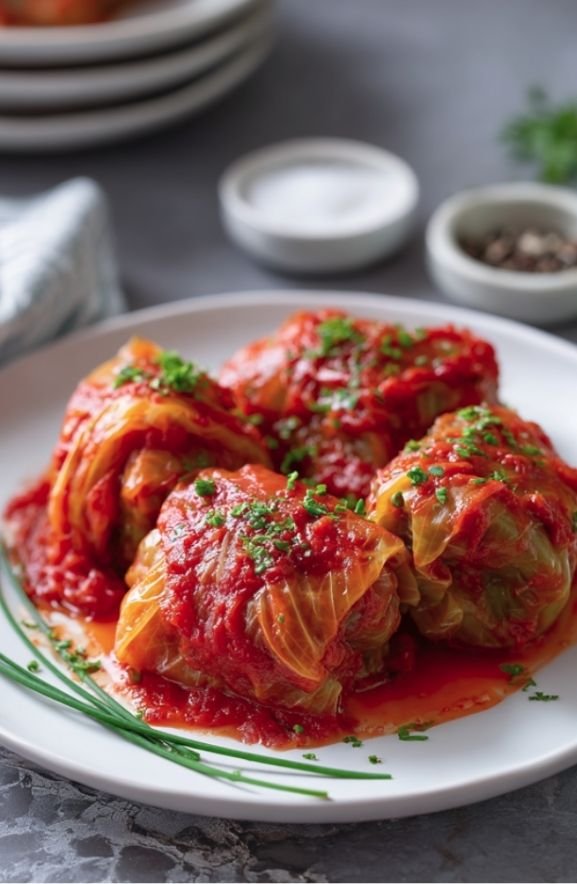
Cabbage Rolls Recipe
Ingredients
Method
- Begin by preparing your cabbage for rolling. Bring a large pot of salted water to a boil and carefully place 1 whole cabbage into the pot. Allow it to cook for approximately 10-15 minutes until the outer leaves become pliable and can be easily separated.
- Once softened, carefully peel away individual leaves and set them aside on a clean surface to cool. If the inner leaves are still too firm, return the cabbage to the boiling water for a few more minutes.
- While the cabbage cools, prepare your filling by combining 2 lbs of raw ground beef or ground veal with 1 cup of uncooked rice, a handful of fried onions, 1 egg, salt, pepper to taste, fresh parsley and fresh dill (both chopped), and 2-3 tablespoons of tomato paste. Mix these ingredients together thoroughly until well combined, being careful not to overwork the meat.
- To assemble the rolls, lay a cabbage leaf flat on your work surface and place approximately 2-3 tablespoons of filling near the stem end of the leaf. Fold the sides of the leaf inward, then roll tightly away from you, creating a compact bundle.
- Place each roll seam-side down in a baking dish or large pot. Continue this process until all filling is used and all rolls are assembled.
- Pour chicken broth or beef broth (approximately 2-3 cups) over the assembled rolls, ensuring they are partially covered. Cover the baking dish with foil or a lid and bake at 350°F for approximately 45-50 minutes, or until the rice is fully cooked and tender.
- You can also simmer the rolls on the stovetop over medium-low heat for similar results. The rolls are ready to serve once the meat is cooked through and the rice has absorbed the flavorful broth.
Notes
Cooking Techniques For Perfect Cabbage Rolls
Blanch cabbage leaves in boiling water for two to three minutes until softened. This makes rolling easier and prevents tearing. Fill rolls evenly with filling and fold sides inward before rolling tightly. Place seam-side down in your baking dish to prevent unraveling. Pour sauce over rolls to keep them moist during baking. Bake covered at 375 degrees for thirty to forty minutes. Let rolls rest for five minutes before serving to set the filling. Proper technique ensures tender cabbage and well-integrated flavors.Cooking Techniques For Perfect Cabbage Rolls
Blanch cabbage leaves in boiling water for two to three minutes until softened. This makes rolling easier and prevents tearing. Fill rolls evenly with filling and fold sides inward before rolling tightly. Place seam-side down in your baking dish to prevent unraveling. Pour sauce over rolls to keep them moist during baking. Bake covered at 375 degrees for thirty to forty minutes. Let rolls rest for five minutes before serving to set the filling. Proper technique ensures tender cabbage and well-integrated flavors.
Cabbage Rolls Substitutions And Variations
One of the best things about cabbage rolls is how forgiving they really are, which means you can swap out ingredients based on what’s in your pantry or what you’re craving that day. Don’t have ground beef? Ground turkey or lamb work beautifully.
Want to skip the rice? Try quinoa or finely chopped mushrooms for a heartier texture. I’d suggest experimenting with different herbs—cilantro instead of dill gives you a totally different vibe. For the sauce, tomato juice substitutes perfectly if you’re out of paste.
You can even go vegetarian by using lentils mixed with walnuts. The beauty here is that cabbage rolls adapt to whatever you’ve got, making them endlessly customizable without losing that classic comfort-food appeal.
What To Serve With Cabbage Rolls
How’re you planning to round out your cabbage roll dinner? I’d go with something light on the side, honestly. A simple green salad with vinaigrette cuts through the richness perfectly, letting those savory rolls shine without competition. Crusty bread or dinner rolls are basically non-negotiable for soaking up all that delicious tomato-based sauce.
For something heartier, mashed potatoes work beautifully alongside, creating comfort food stacked upon comfort food. Steamed vegetables like broccoli or carrots add color and nutrition without stealing the spotlight. If I’m feeling fancy, sour cream on the side gives everything a cooling contrast.
The key’s keeping sides straightforward so your cabbage rolls remain the main attraction. Nothing fancy needed when dinner’s already this satisfying.
Final Thoughts
Making cabbage rolls from scratch might seem like a lot of work, but here’s the thing: once you’ve got your filling mixed, your cabbage leaves prepped, and everything nestled into that baking dish, you’re basically just letting the oven do the heavy lifting while you relax. I find that cabbage rolls deliver serious comfort-food vibes without demanding constant attention. They’re the kind of dish where you can prep ahead, refrigerate, then bake whenever you’re ready. Plus, leftovers taste even better the next day as flavors meld together. Whether you’re cooking for family dinner or impressing guests, these rolls showcase how simple ingredients transform into something genuinely satisfying. Give this recipe a try, and you’ll understand why it’s remained a kitchen staple for generations.