
 Lucy M.
 You’re probably thinking Greek salad is just chopped vegetables and feta, right? Well, here’s the thing—when you nail the balance between crisp, juicy, and briny elements, something almost magical happens on your plate. The real secret isn’t hiding in some fancy technique, though. It’s actually about understanding how each ingredient plays its part, and honestly, that’s where most home cooks stumble. So what’s the missing piece?
Why You’Ll Love This Greek Salad
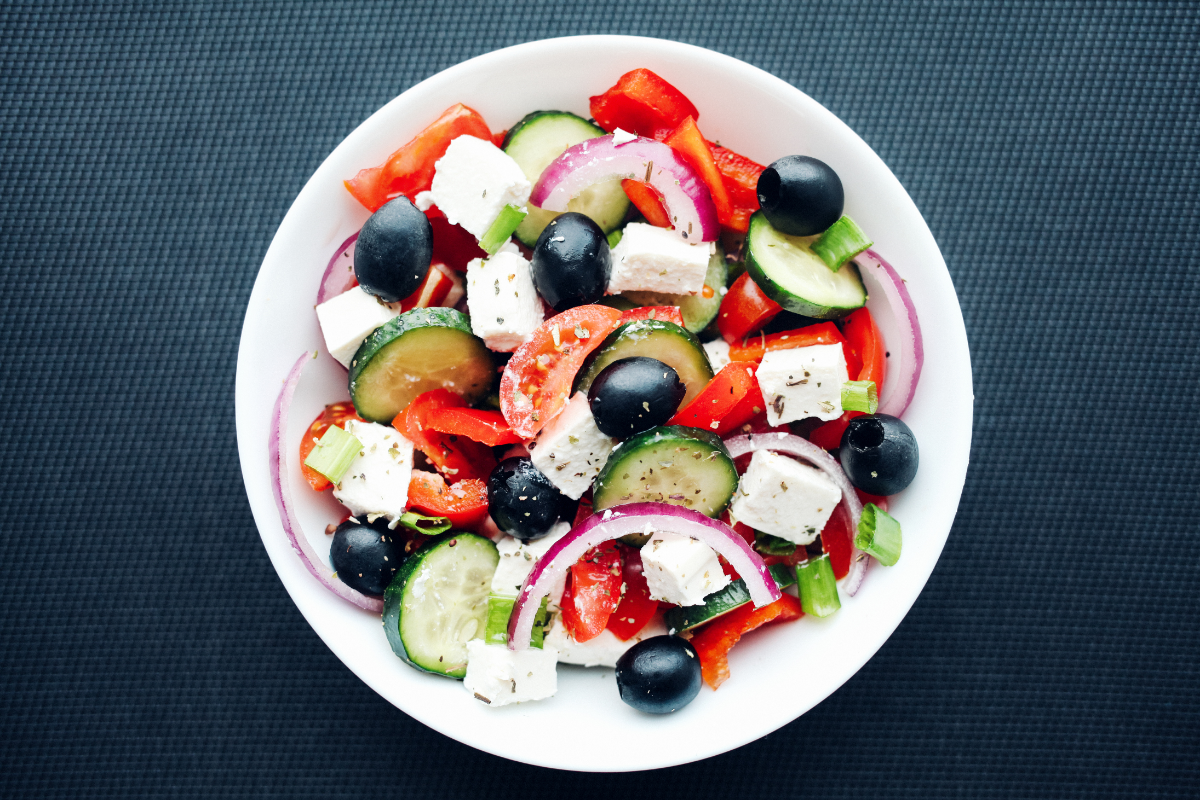
This salad’s got everything you’re looking for in a side dish, really. Fresh tomatoes paired with crisp cucumber create this perfect textural contrast that keeps things interesting. The creamy feta cheese adds richness without weighing you down, while those briny olives bring serious flavor punch to every bite.
What I appreciate most is how simple it stays. No complicated cooking required, which means you’re actually going to make this on a weeknight instead of ordering takeout. The lemon-olive oil dressing ties everything together beautifully, letting each ingredient shine rather than drowning them in heavy stuff. Plus, those fresh herbs elevate the whole thing from basic to genuinely impressive. You’re getting authentic Mediterranean vibes without needing a plane ticket.
What Ingredients Are In Greek Salad?
A traditional Greek salad brings together the finest Mediterranean flavors in one simple, invigorating dish. The beauty of this recipe lies in its straightforward approach—quality ingredients are combined with minimal preparation to create maximum flavor. Each component plays an important role, from the crisp vegetables to the tangy cheese and briny olives, all unified by a bright lemon and olive oil dressing that brings everything together.
Ingredients:
- 4 beefsteak or slicing tomatoes
- 1 cucumber, sliced
- 8 oz (250g) feta cheese, diced
- 24 black olives, pitted
- ½ cup extra virgin olive oil
- ¼ cup lemon juice
- Salt and black pepper to taste
- 2 tbsp chopped fresh oregano or flat-leaf parsley
When shopping for these ingredients, prioritize quality over quantity. Seek out the ripest, most flavorful tomatoes available, preferably in season for the best results. The feta cheese should be authentic and crumbly rather than pre-packaged blocks, as it melts more naturally into the salad.
Extra virgin olive oil makes a significant difference in the final taste, so don’t compromise on this ingredient. Fresh herbs are essential—dried oregano won’t provide the same vibrant flavor that makes this salad truly authentic. If you cannot find quality fresh herbs, it’s better to adjust the recipe than to use inferior substitutes.
More Fresh Salad Recipes: Craving more light and flavorful salads? Our Shrimp Salad offers the same refreshing appeal with the added satisfaction of succulent seafood.
How To Make This Greek Salad
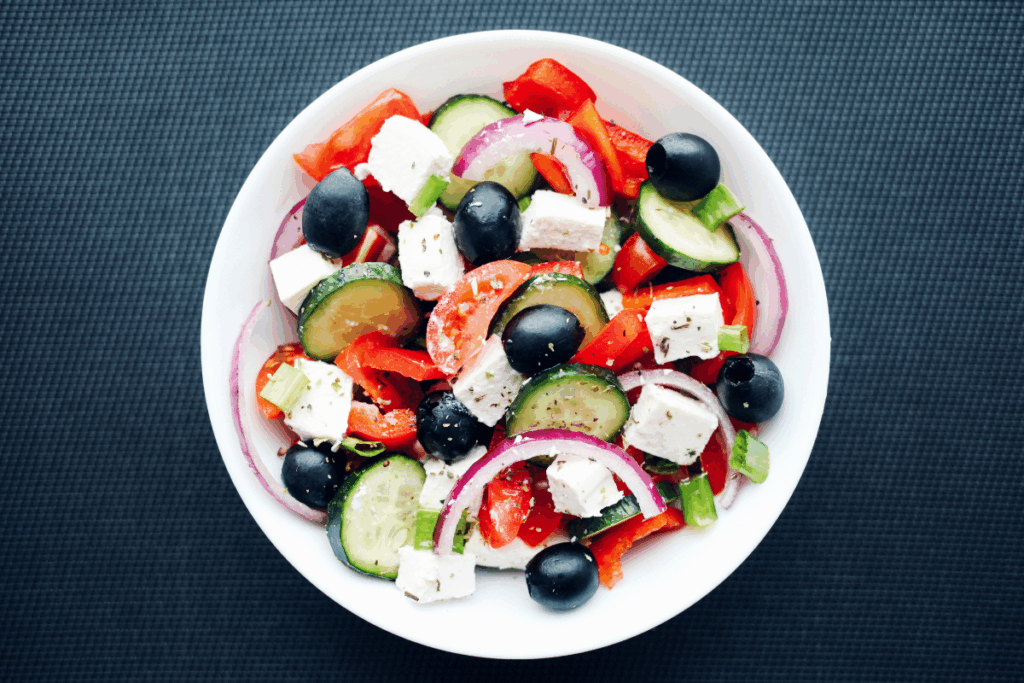
- Begin by preparing the tomatoes, which form the foundation of this dish. Take 4 beefsteak or slicing tomatoes and halve them lengthwise, then carefully cut out the cores. Cut each half into 4 wedges and place them into a large salad bowl.
- Next, slice 1 cucumber and add it to the bowl along with 8 oz (250g) of diced feta cheese and 24 pitted black olives. These core ingredients create the classic composition that defines a traditional Greek salad.
- Once all the solid ingredients are combined in the bowl, it’s time to dress the salad. Spoon ½ cup of extra virgin olive oil and ¼ cup of lemon juice over the mixture.
- Add salt and black pepper to taste, keeping in mind that feta cheese is naturally salty, so use restraint to avoid overseasoning. Gently toss all the ingredients together to guarantee the dressing is evenly distributed without breaking up the vegetables or cheese.
- Complete the salad by sprinkling 2 tbsp of chopped fresh oregano or flat-leaf parsley over the top just before serving. This final herbaceous touch adds a bright, aromatic quality that elevates the simple ingredients into a classic Mediterranean dish.
- The salad is best served immediately while the vegetables are crisp and fresh, allowing all the flavors to shine through in perfect harmony.

Greek Salad Recipe
Ingredients
Method
- Begin by preparing the tomatoes, which form the foundation of this dish. Take 4 beefsteak or slicing tomatoes and halve them lengthwise, then carefully cut out the cores. Cut each half into 4 wedges and place them into a large salad bowl.
- Next, slice 1 cucumber and add it to the bowl along with 8 oz (250g) of diced feta cheese and 24 pitted black olives. These core ingredients create the classic composition that defines a traditional Greek salad.
- Once all the solid ingredients are combined in the bowl, it’s time to dress the salad. Spoon ½ cup of extra virgin olive oil and ¼ cup of lemon juice over the mixture.
- Add salt and black pepper to taste, keeping in mind that feta cheese is naturally salty, so use restraint to avoid overseasoning. Gently toss all the ingredients together to guarantee the dressing is evenly distributed without breaking up the vegetables or cheese.
- Complete the salad by sprinkling 2 tbsp of chopped fresh oregano or flat-leaf parsley over the top just before serving. This final herbaceous touch adds a bright, aromatic quality that elevates the simple ingredients into a classic Mediterranean dish.
- The salad is best served immediately while the vegetables are crisp and fresh, allowing all the flavors to shine through in perfect harmony.
Notes
Why Is A Greek Salad So High In Calories?
Greek salad’s surprisingly high calorie count comes primarily from its generous use of olive oil and feta cheese. While the vegetables themselves are low in calories, a traditional Greek salad includes around 4-6 tablespoons of olive oil in the dressing, adding approximately 400-600 calories alone. The feta cheese contributes another 200-300 calories depending on portion size. Kalamata olives, though nutritious, are also calorie-dense due to their fat content. However, it’s important to note that these are mostly healthy fats that provide essential nutrients and help with satiety. The key is portion control—you can still enjoy this Mediterranean classic by using less oil and cheese while maintaining its delicious flavor.Why Is A Greek Salad So High In Calories?
Greek salad’s surprisingly high calorie count comes primarily from its generous use of olive oil and feta cheese. While the vegetables themselves are low in calories, a traditional Greek salad includes around 4-6 tablespoons of olive oil in the dressing, adding approximately 400-600 calories alone.
The feta cheese contributes another 200-300 calories depending on portion size. Kalamata olives, though nutritious, are also calorie-dense due to their fat content. However, it’s important to note that these are mostly healthy fats that provide essential nutrients and help with satiety. The key is portion control—you can still enjoy this Mediterranean classic by using less oil and cheese while maintaining its delicious flavor.
Greek Salad Substitutions And Variations
While the classic Greek salad I just walked you through is pretty much perfect as-is, you’ve got plenty of room to play around and make it your own. Want to bulk it up? Toss in some grilled chicken, chickpeas, or white beans for protein. Red onions add a sharp bite if you’re into that. Swap the feta for creamy goat cheese if that’s your thing.
Not feeling olives? Skip them entirely, honestly. Some folks throw in roasted red peppers or artichoke hearts for extra flavor and texture. You could even drizzle with a splash of balsamic vinegar instead of lemon juice. The beauty here is flexibility. This salad doesn’t demand perfection. It just wants fresh ingredients and your personal touch.
What To Serve With Greek Salad
Pairing your Greek salad with the right dishes can turn a simple side into a full meal that actually feels satisfying. I’d suggest grilled chicken or lamb—they complement those tangy olives and feta beautifully. Fish works too, honestly, especially if you drizzle it with lemon like your salad dressing.
Warm pita bread is basically essential for scooping up the good stuff at the bottom of your bowl. Want something vegetarian? Roasted vegetables like eggplant or zucchini mesh well with the Mediterranean flavors. Here’s the thing: you could serve this alongside pasta if you’re feeling creative, though traditionalists might judge. The key is letting the salad shine without competing flavors overpowering it. Keep your proteins and sides simple, unfussy.
Final Thoughts
So here’s the thing about Greek salad—once you nail the basics, you’ve basically got a lifetime of easy, delicious meals in your back pocket. I’m telling you, this recipe’s flexibility is its superpower. You can toss in extra vegetables, swap the cheese, adjust the dressing to taste. Want it heartier? Add some grilled chicken or chickpeas. Prefer it lighter? Go easy on the oil. The beauty is that there’s no wrong move here. Fresh ingredients do most of the heavy lifting, so you don’t need fancy techniques or weird specialty items. Just quality tomatoes, good feta, and real olive oil. That’s honestly all it takes to feel like you’re dining somewhere Mediterranean, right in your own kitchen.


