 Lucy M.
 I’m going to let you in on something: store-bought hummus can’t touch what you’ll make at home. You control the garlic punch, the lemon brightness, that impossibly creamy texture. It’s cheaper, fresher, and honestly, it’s not even difficult. So why do so many people skip making it themselves? We’re about to fix that.
Why You’Ll Love This Hummus
This hummus recipe delivers everything you want from the classic dip—creamy, garlicky, and totally customizable to your taste. I love how simple it is to make something this good at home. Store-bought versions can’t compare, honestly. You get to control exactly how much garlic goes in, which means no surprises at the dinner table. The tahini creates that silky texture without any weird additives, and fresh lemon juice brightens everything up.
Plus, you’ll save money making it yourself. Want it thinner? Add more olive oil. Prefer it garlicky? Throw in extra cloves. That’s the beauty here—it bends to what you actually want. This isn’t just a dip; it’s your blank canvas.
What Ingredients Are In Hummus?
Making hummus at home requires just a handful of simple, wholesome ingredients that come together to create a creamy, flavorful dip. Unlike store-bought versions that often contain preservatives and stabilizers, homemade hummus lets you control every element. The base starts with protein-rich chickpeas, which provide the foundation for that signature creamy texture. Garlic adds pungent depth, tahini paste contributes nutty richness, olive oil guarantees silkiness, and fresh lemon juice provides bright acidity to balance the flavors. A pinch of salt and black pepper rounds out the seasoning profile.
Ingredients:
- 2 × 14oz (400g) cans chickpeas, drained
- 2–3 garlic cloves, coarsely chopped
- 1 tbsp tahini paste
- 3 tbsp olive oil
- Juice of 1 lemon
- Salt and black pepper to taste
Quality matters enormously when selecting these ingredients. Use good-quality tahini paste, as it forms the backbone of your hummus’s texture and flavor—avoid versions with added oils or sugar. Choose fresh garlic cloves rather than pre-minced varieties for superior taste.
For the best results, use extra virgin olive oil and fresh-squeezed lemon juice rather than bottled alternatives. If using canned chickpeas, be sure to drain and rinse them thoroughly to remove excess sodium and starch, which can affect the final consistency. These ingredient choices guarantee your homemade hummus surpasses any store-bought alternative.
If you love this creamy Hummus, try my protein-packed Shrimp Salad for another healthy appetizer option
How To Make This Hummus
- Begin by adding 2 × 14oz (400g) cans of drained chickpeas, 2–3 coarsely chopped garlic cloves, 1 tbsp tahini paste, 3 tbsp olive oil, and the juice of 1 lemon to a food processor or blender.
- Pulse the ingredients together, then blend on high speed until the mixture reaches a smooth, creamy consistency. This initial blending typically takes 3–5 minutes, depending on your machine’s power.
- During this process, you may notice the hummus becoming creamier as the natural oils from the chickpeas and tahini are released and incorporated throughout.
- Once you’ve achieved a smooth base, taste the hummus and adjust the seasonings to your preference. Add salt and black pepper to taste, then purée again briefly to distribute the seasonings evenly.
- This is also the time to fine-tune the flavor and texture by adding more oil for creaminess, additional tahini for nuttiness, or extra lemon juice for brightness. Remember that these adjustments are encouraged and expected—hummus is highly personal, so trust your palate and make it exactly how you like it.
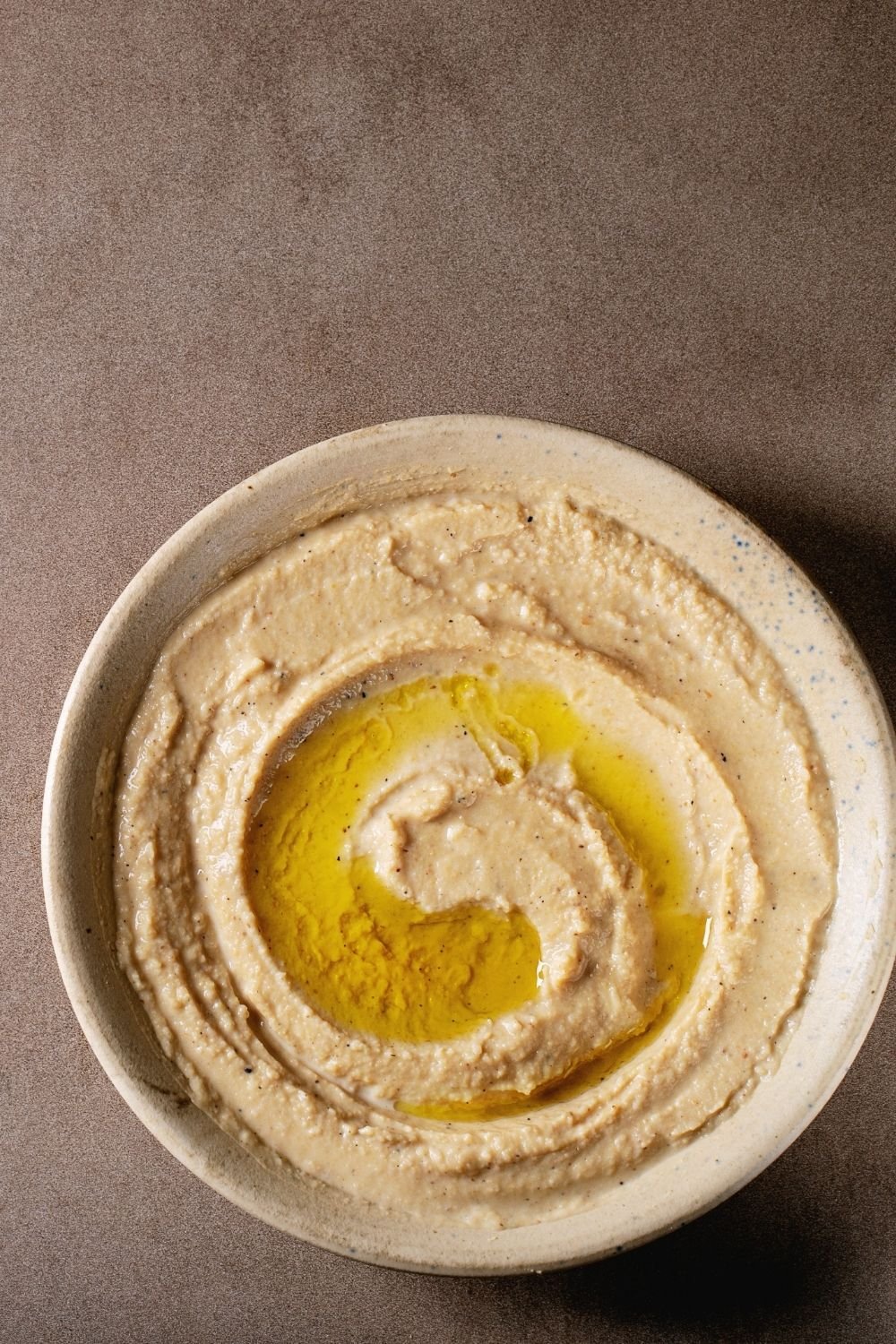
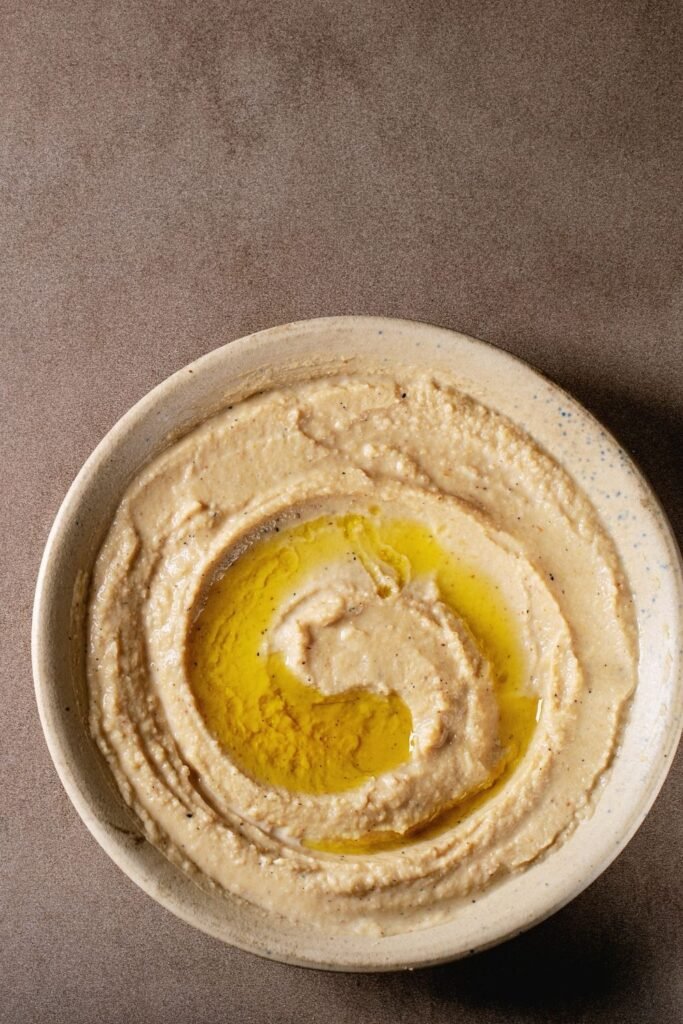
- Transfer the finished hummus to a serving dish and level the surface with the back of a spoon for a polished presentation. If desired, garnish with fresh rosemary sprigs, diced red bell pepper, and pitted olives for both visual appeal and added flavor. Serve immediately with pita bread, vegetable crudités, or crackers, or refrigerate in an airtight container for up to 5 days.
Hummus Recipe
Ingredients
Method
- Begin by adding 2 × 14oz (400g) cans of drained chickpeas, 2–3 coarsely chopped garlic cloves, 1 tbsp tahini paste, 3 tbsp olive oil, and the juice of 1 lemon to a food processor or blender.
- Pulse the ingredients together, then blend on high speed until the mixture reaches a smooth, creamy consistency. This initial blending typically takes 3–5 minutes, depending on your machine’s power.
- During this process, you may notice the hummus becoming creamier as the natural oils from the chickpeas and tahini are released and incorporated throughout.
- Once you’ve achieved a smooth base, taste the hummus and adjust the seasonings to your preference. Add salt and black pepper to taste, then purée again briefly to distribute the seasonings evenly.
- This is also the time to fine-tune the flavor and texture by adding more oil for creaminess, additional tahini for nuttiness, or extra lemon juice for brightness. Remember that these adjustments are encouraged and expected—hummus is highly personal, so trust your palate and make it exactly how you like it.
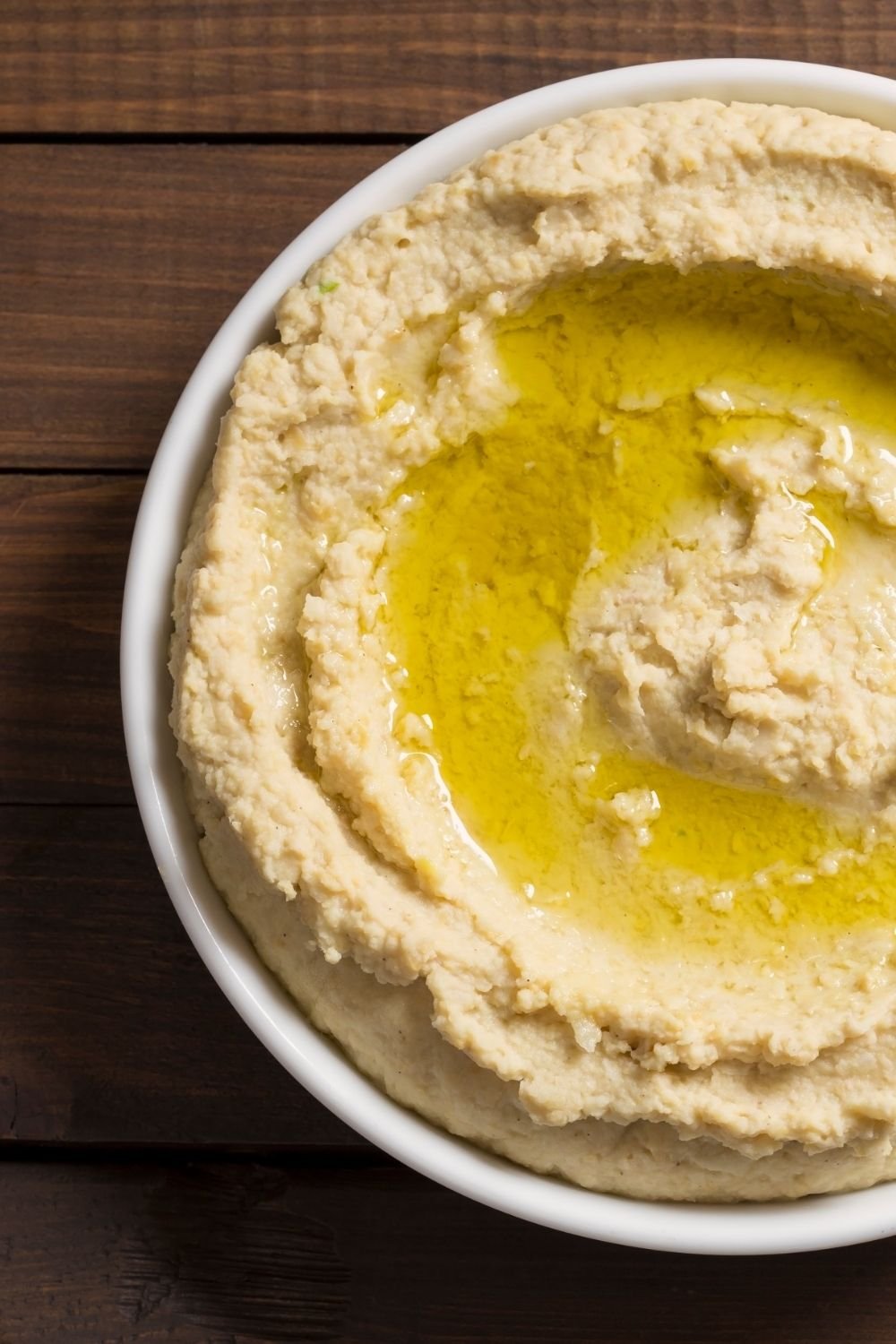
- Transfer the finished hummus to a serving dish and level the surface with the back of a spoon for a polished presentation. If desired, garnish with fresh rosemary sprigs, diced red bell pepper, and pitted olives for both visual appeal and added flavor. Serve immediately with pita bread, vegetable crudités, or crackers, or refrigerate in an airtight container for up to 5 days.
Notes
Is Hummus A Good Source Of Protein?
Yes, hummus is considered a good source of plant-based protein, making it an excellent choice for vegetarians and anyone looking to increase their protein intake. A typical serving of homemade hummus (about ¼ cup or 60g) contains approximately 4-6 grams of protein, primarily from the chickpeas and tahini. While this may not seem exceptionally high compared to animal proteins, hummus provides complete nutrition when paired with whole grain pita or vegetables. The chickpeas offer fiber alongside protein, helping you feel fuller longer, while the tahini adds healthy fats and additional protein. For those following plant-based diets, hummus serves as a nutrient-dense snack that contributes meaningfully to daily protein requirements without excess calories or saturated fat.Is Hummus A Good Source Of Protein?
Yes, hummus is considered a good source of plant-based protein, making it an excellent choice for vegetarians and anyone looking to increase their protein intake. A typical serving of homemade hummus (about ¼ cup or 60g) contains approximately 4-6 grams of protein, primarily from the chickpeas and tahini.
While this may not seem exceptionally high compared to animal proteins, hummus provides complete nutrition when paired with whole grain pita or vegetables. The chickpeas offer fiber alongside protein, helping you feel fuller longer, while the tahini adds healthy fats and additional protein. For those following plant-based diets, hummus serves as a nutrient-dense snack that contributes meaningfully to daily protein requirements without excess calories or saturated fat.
Hummus Substitutions And Variations
Once you’ve mastered the basic recipe, you’ll probably start wondering what else you can do with it—and honestly, that’s where hummus gets really fun. I like experimenting with different add-ins to transform the classic into something totally new.
Roasted red peppers create a vibrant, slightly sweet version. Jalapeños bring serious heat if you’re feeling adventurous. Want something earthier? Roasted beets work beautifully, though they’ll turn everything pink. Spices matter too.
A pinch of cumin or smoked paprika deepens the flavor without overpowering things. Pine nuts or walnuts add nice texture and richness. Even swapping tahini for almond butter opens up possibilities. The beauty here is that hummus forgives experimentation. You really can’t mess it up badly enough to waste chickpeas.
What To Serve With Hummus
So you’ve got a bowl of creamy, garlicky hummus sitting on your counter—now what? Here’s where the fun happens. I’d grab some pita chips or warm pita bread for dipping, though honestly, veggie sticks work just as well. Carrots, cucumbers, bell peppers, and celery all pair beautifully with that tangy richness.
Want to get fancy? Spread hummus on sandwiches or grain bowls for a protein boost. Crackers are your friend too, especially whole grain ones if you’re feeling virtuous. I sometimes drizzle hummus with olive oil and za’atar for a mezze platter situation. Fresh veggies, cheese, olives, and some bread—instant entertaining done. The beauty is flexibility. Serve it however makes sense for your meal, really.
Final Thoughts
Making hummus at home isn’t some complicated kitchen feat that requires special skills or fancy equipment—it’s honestly just a matter of throwing a handful of ingredients into a food processor and letting it do the work. You’ve got everything you need right in your pantry. The beauty of homemade hummus is how customizable it becomes once you master the basics. Want it creamier? Add more tahini. Prefer it tangier? Squeeze extra lemon juice. Like garlic to punch you in the face? Go wild. This dip transforms from a store-bought afterthought into something genuinely worth getting excited about. Whether you’re dipping veggies, spreading it on sandwiches, or using it as a party centerpiece, you’re basically invincible in the kitchen now.