 Lucy M.
 The first time I made Japanese pancakes, I was chasing something I’d seen online. Those impossibly tall, jiggly stacks seemed to defy logic. I separated eggs at midnight, whisked whites until my arm ached, and folded them so carefully I barely breathed. When they came out of the oven, they were taller than I expected, wobbling slightly on the plate like something alive. My son poked one with his fork and it collapsed into a cloud. That’s when I understood they’re meant to be eaten warm, immediately, while still trembling.
Now I make them on Saturday mornings when I have time to fuss. The batter is different from regular pancakes, lighter somehow, almost like a soufflé. I butter the pan generously and pour slowly, watching them rise in the heat. They take longer to cook, and you have to trust that they’re not burning underneath. The smell changes halfway through, becoming sweeter, almost caramelised at the edges. I’ve learned to lower the heat, to give them patience.
They’re not practical for weekday mornings. They’re fiddly, require attention, make a mess. But that’s exactly why I make them, because some mornings deserve something that asks you to slow down. Stacked with fresh berries and a drizzle of honey, they vanish within minutes. Everyone stops talking and just eats.
Why You’Ll Love This Japanese Pancakes
If you’ve ever wondered what happens when you combine the pillowy softness of a cloud with the rich, nutty flavor of peanut butter, well, wonder no more. I’m telling you, these Japanese pancakes are something special.
They’re fluffy in a way that makes regular pancakes look flat and sad. The mochiko flour gives them this unique, bouncy texture that’s honestly hard to describe until you bite into one. Then there’s the peanut butter swirled throughout, adding this creamy, savory depth that transforms breakfast into something fancy.
You don’t need fancy equipment or weird ingredients you can’t find. Just simple pantry staples and maybe fifteen minutes of your time. They’re impressive enough to serve guests but easy enough for a lazy Sunday morning.
What Ingredients Are In Japanese Pancakes?
Creating fluffy Japanese pancakes with peanut butter requires a carefully balanced combination of ingredients that work together to achieve that signature cloud-like texture. The foundation starts with mochiko sweet rice flour, which is the secret behind the unique bouncy consistency that sets these pancakes apart from traditional Western varieties.
Combined with simple pantry staples like sugar, baking powder, and milk, you’ll have everything needed to build the perfect batter base. The addition of creamy peanut butter brings richness and depth, while vanilla extract and potato starch complete the ingredient list.
Ingredients:
- 1 (16 ounce) box mochiko sweet rice flour
- 2 cups sugar
- 1 teaspoon baking powder
- 1 1/2 cups milk
- 1 teaspoon vanilla
- 1 cup creamy peanut butter
- Potato starch, for dusting
Mochiko flour can typically be found in the Asian foods section of most grocery stores or ordered online if unavailable locally. When selecting your peanut butter, opt for creamy varieties rather than chunky to guarantee smooth swirling throughout the batter.
All other ingredients are standard pantry items that most home cooks already have on hand. The potato starch serves a practical purpose during cooking, preventing sticking and creating a light dusting on the finished pancakes.
If you enjoy the soft, cloud-like texture of Japanese pancakes, you’ll love how that same fluffiness works with fall flavors. Pumpkin pancakes add warmth and spice while keeping the pancakes light and comforting.
How To Make This Japanese Pancakes
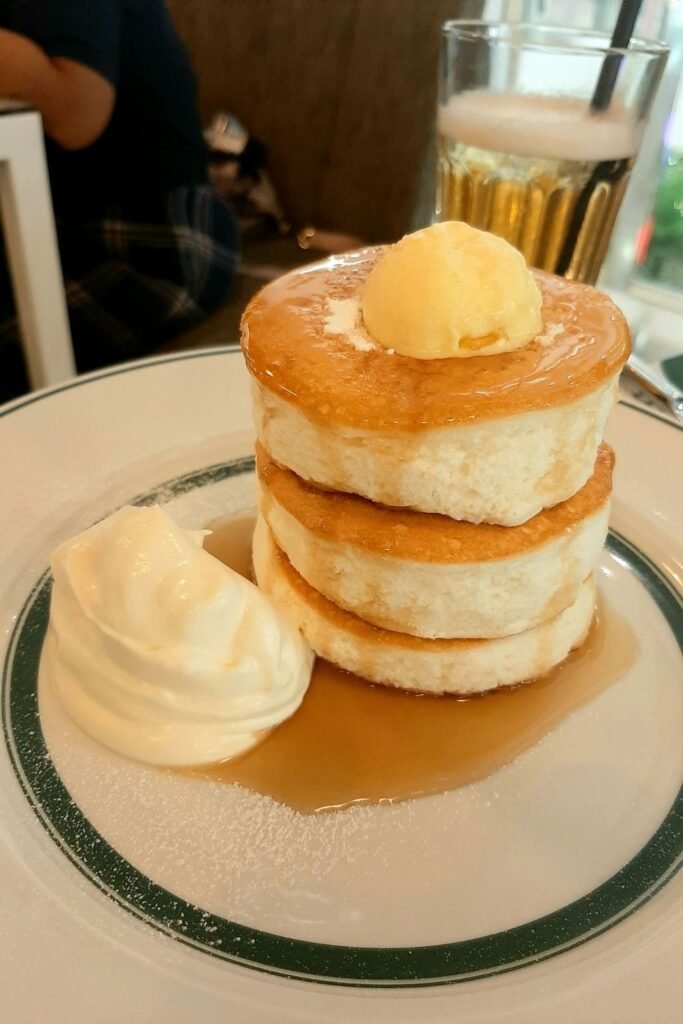
- Start by combining your dry ingredients in a large mixing bowl. Whisk together the 1 (16 ounce) box of mochiko sweet rice flour, 2 cups sugar, and 1 teaspoon baking powder until they’re evenly distributed.
- In a separate bowl, blend together the 1 1/2 cups milk, 1 teaspoon vanilla, and 1 cup creamy peanut butter until smooth and well incorporated. The peanut butter should be fully dissolved into the wet mixture to ascertain even distribution throughout the batter and prevent lumps in the final pancakes.
- Gradually fold the wet ingredients into the dry mixture, stirring gently until just combined. The batter should have a thick, creamy consistency—thicker than traditional pancake batter but still pourable.
- Avoid overmixing, as this can develop gluten and result in denser pancakes rather than the signature fluffy, cloud-like texture you’re aiming for. Let the batter rest for a few minutes to allow the mochiko flour to fully hydrate.
- Heat a non-stick griddle or skillet over medium-low heat and lightly dust the cooking surface with potato starch to prevent sticking.
- Pour the batter onto the griddle in your desired pancake size and cook slowly—these pancakes require more time than traditional varieties due to their density and the mochiko flour’s unique properties. Cook until the edges appear set and the bottom is lightly golden, then flip carefully and cook the other side until golden brown. Serve immediately while still warm and fluffy.
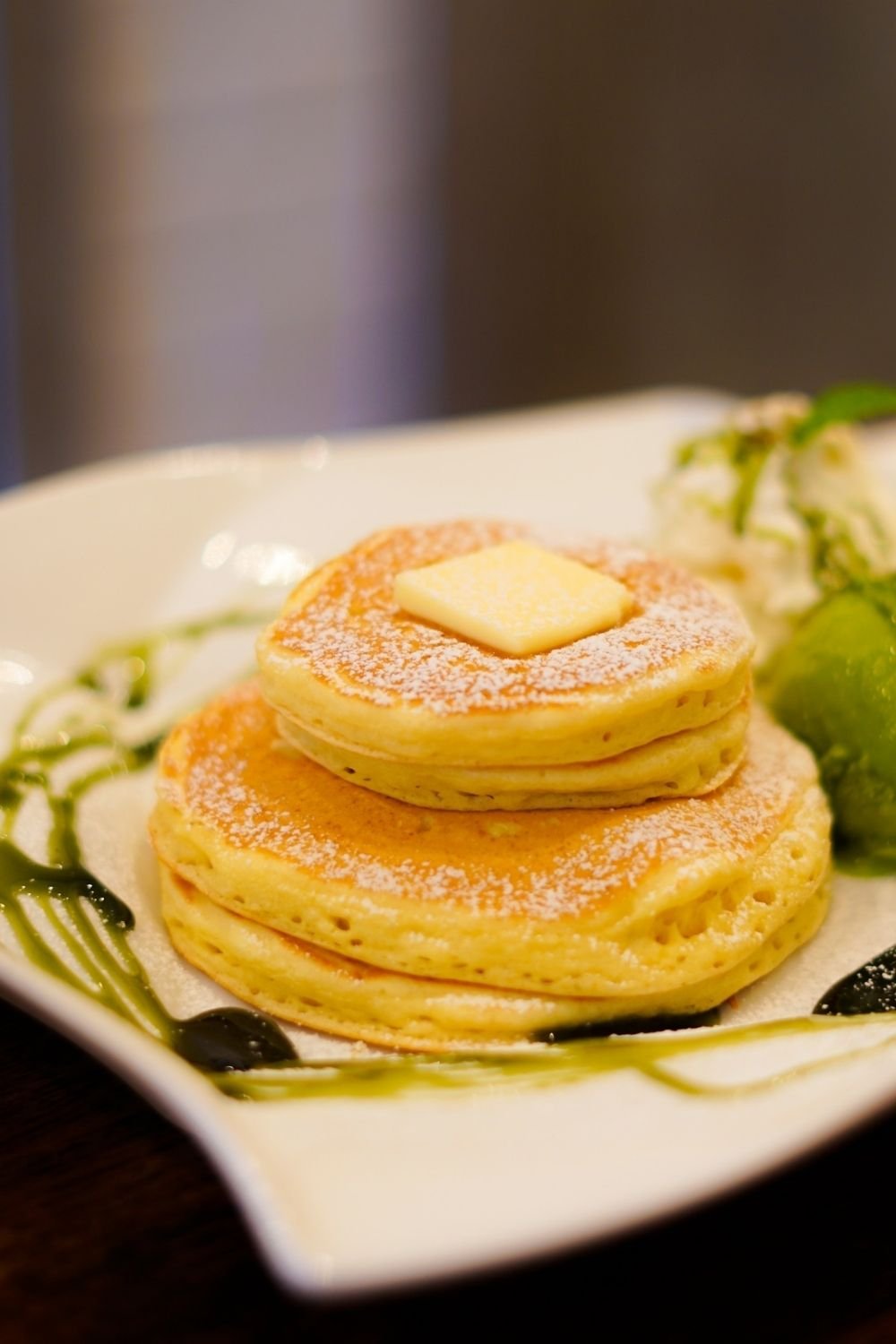
Japanese Pancakes Recipe
Ingredients
Method
- tart by combining your dry ingredients in a large mixing bowl. Whisk together the 1 (16 ounce) box of mochiko sweet rice flour, 2 cups sugar, and 1 teaspoon baking powder until they're evenly distributed.
- In a separate bowl, blend together the 1 1/2 cups milk, 1 teaspoon vanilla, and 1 cup creamy peanut butter until smooth and well incorporated. The peanut butter should be fully dissolved into the wet mixture to ascertain even distribution throughout the batter and prevent lumps in the final pancakes.
- Gradually fold the wet ingredients into the dry mixture, stirring gently until just combined. The batter should have a thick, creamy consistency—thicker than traditional pancake batter but still pourable.
- Avoid overmixing, as this can develop gluten and result in denser pancakes rather than the signature fluffy, cloud-like texture you’re aiming for. Let the batter rest for a few minutes to allow the mochiko flour to fully hydrate.
- Heat a non-stick griddle or skillet over medium-low heat and lightly dust the cooking surface with potato starch to prevent sticking.
- Pour the batter onto the griddle in your desired pancake size and cook slowly—these pancakes require more time than traditional varieties due to their density and the mochiko flour’s unique properties. Cook until the edges appear set and the bottom is lightly golden, then flip carefully and cook the other side until golden brown. Serve immediately while still warm and fluffy.
Notes
Common Japanese Pancake Mistakes And Fixes
Overmixing batter deflates whipped egg whites and destroys fluffiness. Fold gently with a spatula. Lumps are fine. Cooking on too-high heat burns bottoms before centers cook through. Use medium heat. Flip only once when edges set and bubbles form. Never press down while cooking because this squeezes out air pockets and ruins texture completely. Separating eggs incorrectly ruins everything. Even one yolk prevents proper whipping. Use an egg separator and separate carefully. Room temperature ingredients are essential. Cold eggs whip poorly. Old eggs produce less volume. Always use fresh eggs for maximum lift and that signature tall appearance everyone loves. Using incorrect pan temperature causes uneven cooking. Overcooking dries out delicate pancakes, while undercooking leaves wet centers. Master heat control and timing. Never flatten pancakes with your spatula. With practice, you’ll create consistently beautiful, fluffy Japanese pancakes.Japanese Pancakes Substitutions And Variations
Since mochiko flour is the star ingredient that gives these pancakes their signature fluffy texture, swapping it out completely won’t work—you’d basically be making regular pancakes, which defeats the whole purpose. However, I’d suggest tweaking other elements instead. Want to dial back the sweetness? I’d reduce the sugar to 1.5 cups without sacrificing fluffiness. Prefer almond or sunflower butter over peanut? Go for it—they’ll work just as well. For a flavor boost, I might swap vanilla for almond extract or add a pinch of cinnamon to the batter. If milk allergies are a concern, I’d use oat or almond milk as a one-to-one replacement. The potato starch for dusting? Totally optional if you’re out. These little adjustments keep the magic intact while making the recipe work for you.
What To Serve With Japanese Pancakes
Once you’ve nailed the recipe and figured out what tweaks work best for your taste buds, the real fun begins: deciding what goes on top of these pillowy clouds of deliciousness. I’d pair them with classic toppings like maple syrup and butter, though honestly, the peanut butter’s already doing heavy lifting here. Fresh berries—strawberries, blueberries, raspberries—add brightness and cut through richness beautifully. Whipped cream feels indulgent without being over the top. For something different, I’d drizzle chocolate sauce or honey across the stack. Powdered sugar dusting works when you’re keeping things simple. Even a dollop of Greek yogurt brings unexpected tanginess. The beauty here? These fluffy pancakes aren’t picky eaters. They’ll happily embrace whatever toppings speak to you.
Final Thoughts
These fluffy Japanese pancakes with peanut butter aren’t just another breakfast recipe you’ll make once and forget about. They’re the kind of dish that’ll have your family asking for seconds, thirds, maybe even fourths. I think what makes them special is how the mochiko flour creates that signature cloud-like texture that regular pancakes just can’t match. The peanut butter adds richness and depth, transforming something simple into something genuinely memorable. You’ll find yourself craving them on random Tuesday mornings. Whether you’re feeding a crowd or treating yourself, these pancakes deliver comfort and satisfaction in every bite. They’re worth the effort, honestly. Once you master the technique, you’ll understand why Japanese pancakes have earned their reputation for being absolutely irresistible.