
 Lucy M.
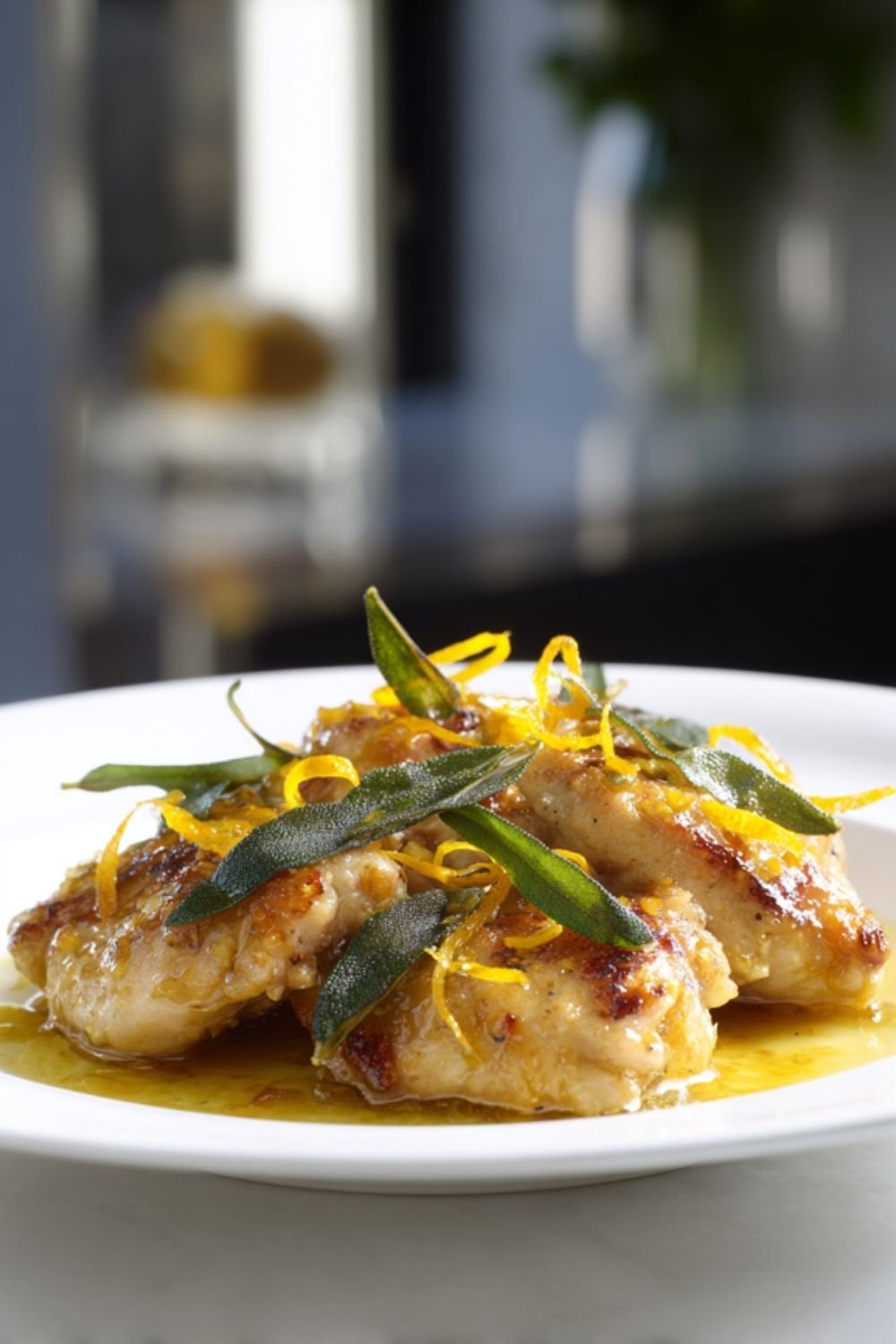
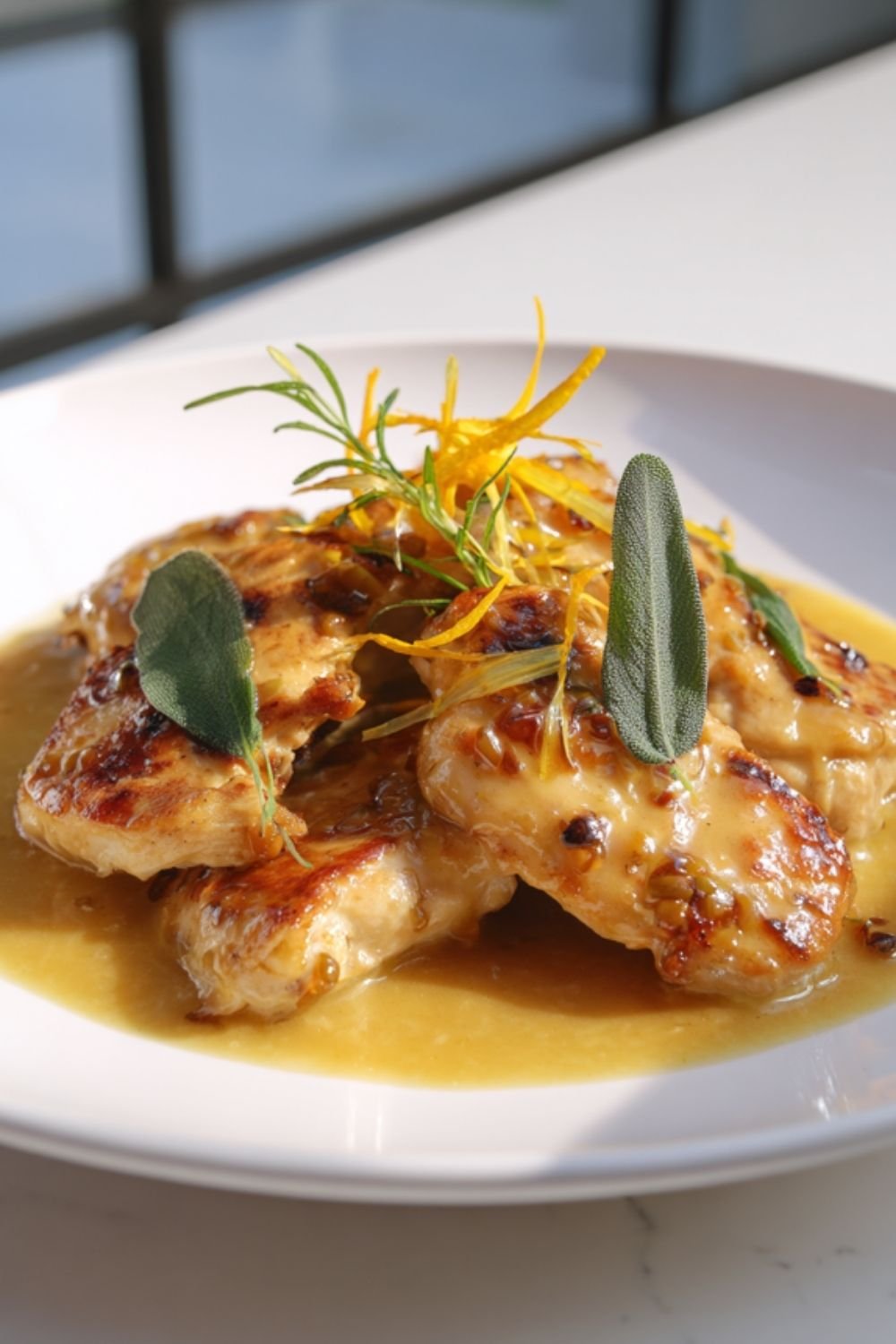
 There’s something wonderfully comforting yet sophisticated about Mary Berry chicken with orange and sage that makes it perfect for any occasion. Picture tender chicken breasts with gorgeously crispy, golden skin, infused with the bright flavors of fresh orange and the earthy warmth of sage. The marinade works its magic overnight, ensuring every bite is bursting with citrusy, herbaceous goodness. When you pan-fry these beauties, your kitchen fills with the most incredible aroma of caramelizing citrus and herbs. Garnished with vibrant orange segments and fresh sage leaves, this dish looks as stunning as it tastes—pure elegance on a plate.
Why You’Ll Love This Mary Berry Chicken With Orange And Sage
When you’re standing in front of your stove wondering what’ll actually impress your dinner guests without sending you into a cooking frenzy, this recipe hits different. I’d choose it because the orange juice marinade does the heavy lifting for you, transforming simple chicken breasts into something that tastes like you spent hours in the kitchen.
The fresh sage adds this earthy sophistication that makes people pause mid-bite, wondering what’s going on flavor-wise. Plus, you’re fundamentally just marinating and cooking, which means minimal stress and maximum flavor payoff. The citrus keeps everything bright and fresh rather than heavy, so nobody leaves your table feeling sluggish. You get that restaurant-quality result with a weeknight effort level, which honestly feels like winning the dinner party lottery.
Craving more globally-inspired chicken dinners? Our chicken cacciatore brings Italian countryside flavors to your table with the same quick preparation.
Does Sage Pair Well With Chicken?
Absolutely! Sage is one of the best herbs to pair with chicken, offering an earthy, slightly peppery flavor that complements poultry beautifully. Its robust, aromatic quality stands up well to chicken’s mild taste without overpowering it.
Sage contains natural oils that become more pronounced when cooked, adding depth and complexity to the dish. It’s particularly wonderful when combined with citrus like orange, as the bright acidity balances sage’s earthiness perfectly. Fresh sage works best in marinades and pan-frying, while dried sage is excellent for roasting and longer cooking methods.
What Ingredients Are In Mary Berry Chicken With Orange And Sage?
This elegant dish requires a carefully balanced combination of fresh ingredients and pantry staples that work together to create a sophisticated marinade and perfectly cooked chicken. The recipe centers on a vibrant orange juice base that’s enhanced with aromatic garlic, warming ginger, and herbaceous sage, all tied together with a touch of soy sauce for depth. These components transform ordinary chicken breasts into a restaurant-quality dish that’s surprisingly simple to execute at home.
Ingredients:
For the Marinade:
- 1¼ cups orange juice
- 1 tbsp light soy sauce
- 2 garlic cloves, crushed
- 2 tbsp chopped fresh sage
- ½ inch (1cm) piece of fresh ginger, peeled and grated
- Salt and black pepper to taste
For the Chicken:
- 6 boneless chicken breasts, with the skin on
- 1 tbsp all-purpose flour
For Garnish:
- Orange segments
- Fresh sage leaves
Quality matters greatly with these ingredients, particularly the fresh herbs and citrus. Using freshly squeezed orange juice rather than bottled will provide a brighter, more complex flavor profile. The sage should be vibrant green and aromatic, as dried sage won’t deliver the same sophisticated taste.
Similarly, fresh ginger offers a sharper, more authentic warmth compared to ground ginger. When selecting chicken breasts, keeping the skin on is essential—it protects the meat during cooking and renders down to create a golden, flavorful exterior that elevates the entire dish.
How To Make This Mary Berry Chicken With Orange And Sage

- Prepare the marinade by whisking together the orange juice, soy sauce, garlic, sage, ginger, and salt and pepper in a bowl. Add the chicken pieces and turn to coat thoroughly in the marinade. Cover and refrigerate for 20–30 minutes while you preheat the oven to 375°F (190°C).
- Remove the chicken from the marinade, reserving all the liquid for later. Arrange the chicken breasts skin-side up in a large roasting pan, spacing them evenly.
- Place the chicken in the preheated oven and roast for 10 minutes. After this initial roasting, pour the reserved marinade over the chicken and return to the oven for another 10 minutes, or until the chicken is fully cooked and the juices run clear.
- Using a slotted spoon, transfer the chicken pieces to a warmed serving platter. Cover loosely with foil to keep warm while you prepare the sauce.
- Pour all but 2 tablespoons of the cooking liquid from the roasting pan into a measuring cup and set aside. Add the flour to the liquid remaining in the pan and whisk until you have a smooth paste without lumps.
- Place the roasting pan directly on the stovetop over medium heat. Cook the flour paste, stirring constantly, for 1 minute. Slowly pour in the reserved cooking liquid, stirring continuously to prevent lumps from forming. Bring the sauce to a boil, then reduce the heat and simmer for 2 minutes until slightly thickened. Taste and adjust the seasoning if needed. Strain the sauce through a fine sieve, then drizzle a small amount around the chicken on the platter. Garnish with fresh orange segments and sage leaves. Serve alongside boiled new potatoes and broccoli, with the remaining sauce offered separately in a gravy boat.
Chicken With Orange & Sage
Ingredients
Method
- Prepare the marinade by whisking together the orange juice, soy sauce, garlic, sage, ginger, and salt and pepper in a bowl. Add the chicken pieces and turn to coat thoroughly in the marinade. Cover and refrigerate for 20–30 minutes while you preheat the oven to 375°F (190°C).
- Remove the chicken from the marinade, reserving all the liquid for later. Arrange the chicken breasts skin-side up in a large roasting pan, spacing them evenly.
- Place the chicken in the preheated oven and roast for 10 minutes. After this initial roasting, pour the reserved marinade over the chicken and return to the oven for another 10 minutes, or until the chicken is fully cooked and the juices run clear.
- Using a slotted spoon, transfer the chicken pieces to a warmed serving platter. Cover loosely with foil to keep warm while you prepare the sauce.
- Pour all but 2 tablespoons of the cooking liquid from the roasting pan into a measuring cup and set aside. Add the flour to the liquid remaining in the pan and whisk until you have a smooth paste without lumps.
- Place the roasting pan directly on the stovetop over medium heat. Cook the flour paste, stirring constantly, for 1 minute. Slowly pour in the reserved cooking liquid, stirring continuously to prevent lumps from forming. Bring the sauce to a boil, then reduce the heat and simmer for 2 minutes until slightly thickened. Taste and adjust the seasoning if needed. Strain the sauce through a fine sieve, then drizzle a small amount around the chicken on the platter. Garnish with fresh orange segments and sage leaves. Serve alongside boiled new potatoes and broccoli, with the remaining sauce offered separately in a gravy boat.
Notes
Does Sage Pair Well With Chicken?
Absolutely! Sage is one of the best herbs to pair with chicken, offering an earthy, slightly peppery flavor that complements poultry beautifully. Its robust, aromatic quality stands up well to chicken’s mild taste without overpowering it. Sage contains natural oils that become more pronounced when cooked, adding depth and complexity to the dish. It’s particularly wonderful when combined with citrus like orange, as the bright acidity balances sage’s earthiness perfectly. Fresh sage works best in marinades and pan-frying, while dried sage is excellent for roasting and longer cooking methods.Mary Berry Chicken With Orange And Sage Substitutions And Variations
While Mary Berry’s original recipe is already pretty stellar, you can easily tweak it to match what you’ve got in your pantry or what your taste buds are craving. I’d swap the sage for thyme if that’s what’s hanging around your kitchen.
Lemon juice works wonderfully instead of orange juice, though you might want to add a splash of honey to balance the tartness. Don’t have fresh ginger. Dried works fine, just use less. For the chicken, I’d consider bone-in thighs if breasts aren’t available, though they’ll need extra cooking time.
Tamari substitutes nicely for soy sauce if you’re going gluten-free. The beauty here? This recipe’s flexible enough to work with whatever protein or citrus fruit you prefer.
What To Serve With Mary Berry Chicken With Orange And Sage
Now that you’ve figured out how to make this recipe work with what you’ve got on hand, let’s talk about what actually goes on the plate alongside it. I’d recommend creamy mashed potatoes or buttered rice to soak up that gorgeous orange sauce. The citrus-sage flavors need something mild to balance against, you know?
For vegetables, roasted root vegetables work beautifully—carrots, parsnips, maybe some beets if you’re feeling fancy. They won’t compete with the chicken’s bright taste. Green beans or asparagus also play nice as lighter sides.
I’m partial to a simple green salad with lemon vinaigrette too, though some might think that’s overkill on the citrus front. Either way, you’re basically building a plate that lets the chicken shine without things getting too crowded or confused.
Final Thoughts
This Mary Berry chicken with orange and sage is one of those recipes that feels fancy enough to impress dinner guests, yet it’s genuinely simple enough that you won’t stress yourself out in the kitchen. I’d say that’s the sweet spot for weeknight dinners and special occasions alike. The combination of citrus and herbs creates something restaurant-quality without requiring professional cooking skills. You’re basically marinating chicken and roasting it, which honestly feels almost too easy for how delicious the results turn out. If you’re looking for a dish that checks every box—impressive, accessible, flavorful, and relatively quick—this one delivers. Give it a shot, and I think you’ll understand why this recipe deserves a permanent spot in your rotation.