
 Lucy M.
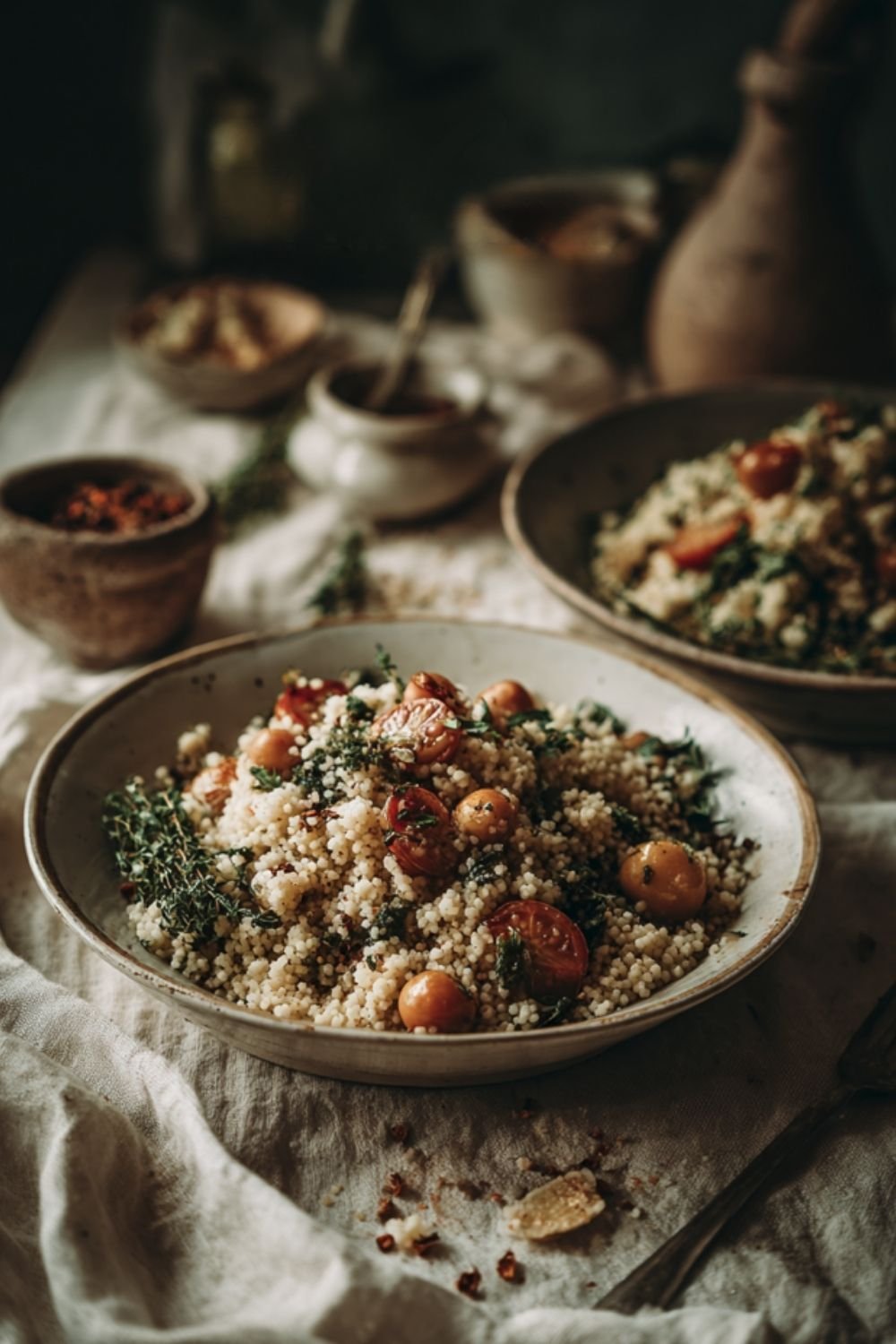
 I’ve got to tell you about Mary Berry’s fluffy couscous—it’s the kind of dish that makes you wonder why you don’t make it more often. The thing is, couscous seems intimidating until you realize it’s basically just hot water and patience. What if I told you that those warm spices and crunchy almonds could transform something so simple into something you’d actually crave? Here’s what makes it work.
Why You’Ll Love This Mary Berry Couscous
If you’re looking for a dish that comes together faster than you can say “fluffy grains,” this couscous recipe’s got your back. I love how versatile it is—you can swap vegetables based on what’s hanging around your kitchen. The combination of warm spices like cumin and curry powder makes each bite feel fancy without requiring fancy cooking skills.
Plus, those almonds add a satisfying crunch that keeps things interesting. The chickpeas deliver protein, so you’re getting something actually filling here, not just side-dish territory. Whether you’re feeding yourself on a Tuesday night or impressing guests, this dish delivers comfort and flavor without the stress. It’s the kind of recipe that makes you feel capable in the kitchen.
Explore our classic Mary Berry Meatloaf for traditional British comfort
What Ingredients Are In Mary Berry Couscous?
Mary Berry’s couscous recipe brings together a harmonious blend of vegetables, grains, and spices that create a vibrant and satisfying dish. The ingredient list is straightforward and accessible, featuring pantry staples combined with fresh produce to deliver maximum flavor and nutrition. Each component plays a specific role, from the couscous base that absorbs the vegetable stock to the warming spices that tie everything together.
Ingredients:
- 2 cups couscous
- 2½ cups hot vegetable stock
- 1 large red bell pepper
- 1 large yellow bell pepper
- 2 tbsp olive oil
- ½ cup blanched almonds
- 2 sliced zucchini
- 1 chopped large red onion
- 1 large carrot, thinly sliced
- 1–2 crushed garlic cloves
- 1 × 14 oz (400 g) can chickpeas (drained and rinsed)
- 1 tsp ground cumin
- ½ tsp curry powder
- ¼–½ tsp crushed dried red chiles
- Salt and black pepper to taste
- Chopped cilantro for garnish
When gathering ingredients, note that the spice quantities can be adjusted based on your heat preference and taste sensitivity. The dried red chiles work best when crushed just before adding to release their full flavor. If fresh cilantro isn’t available, parsley serves as an acceptable substitute. Most ingredients are pantry essentials or commonly found produce, making this recipe practical for weeknight cooking while still feeling special enough for entertaining.
How To Make This Mary Berry Couscous
- Place the peppers under a preheated hot broiler, positioning them about 4 inches (10cm) from the heat source. Broil for 10 minutes, turning occasionally, until the skins are blistered and charred all over. Immediately transfer the hot peppers to a plastic bag, seal it, and let them steam as they cool—this makes peeling much easier.
- While the peppers are cooling, put the couscous in a heatproof bowl and pour in the hot stock, stirring briefly to combine. Cover the bowl with a lid or plate and let it stand for 10 minutes so the couscous absorbs all the liquid and becomes tender and fluffy.
- Heat the oil in a large frying pan over medium heat. Add the almonds and cook gently, stirring frequently, for about 3 minutes until they turn lightly golden and fragrant. Remove them with a slotted spoon and set aside on paper towels to drain.
- In the same pan, add the zucchini, onion, carrot, and garlic. Cook for about 5 minutes, stirring regularly, until the vegetables soften and begin to caramelize at the edges.
- Stir in the chickpeas, cumin, curry powder, and crushed chiles. Continue cooking for another 5 minutes, stirring occasionally, to let the spices bloom and coat everything with their warm, aromatic flavors. Fluff the couscous with a fork and add it to the pan, stirring everything together. Cook for 3–4 minutes until heated through completely. Taste and season with salt and pepper as needed.
- Remove the cooled peppers from the bag and peel away the charred skins—they should slip off easily. Remove the cores and seeds, then slice the pepper flesh into thin, elegant strips.
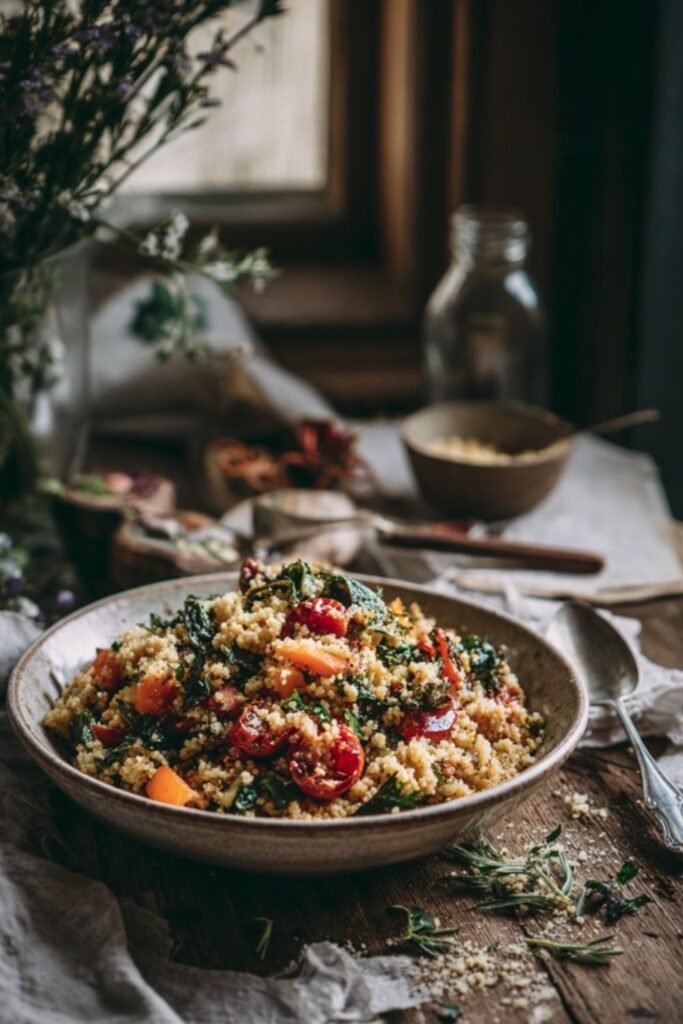
- Divide the spiced couscous mixture among warmed serving plates and arrange the colorful pepper strips decoratively on top. Finish with a generous sprinkle of the toasted almonds and freshly chopped cilantro, then serve immediately while everything is hot and vibrant.

Mary Berry Couscous Recipe
Ingredients
Method
- Place the peppers under a preheated hot broiler, positioning them about 4 inches (10cm) from the heat source. Broil for 10 minutes, turning occasionally, until the skins are blistered and charred all over. Immediately transfer the hot peppers to a plastic bag, seal it, and let them steam as they cool—this makes peeling much easier.
- While the peppers are cooling, put the couscous in a heatproof bowl and pour in the hot stock, stirring briefly to combine. Cover the bowl with a lid or plate and let it stand for 10 minutes so the couscous absorbs all the liquid and becomes tender and fluffy.
- Heat the oil in a large frying pan over medium heat. Add the almonds and cook gently, stirring frequently, for about 3 minutes until they turn lightly golden and fragrant. Remove them with a slotted spoon and set aside on paper towels to drain.
- In the same pan, add the zucchini, onion, carrot, and garlic. Cook for about 5 minutes, stirring regularly, until the vegetables soften and begin to caramelize at the edges.
- Stir in the chickpeas, cumin, curry powder, and crushed chiles. Continue cooking for another 5 minutes, stirring occasionally, to let the spices bloom and coat everything with their warm, aromatic flavors. Fluff the couscous with a fork and add it to the pan, stirring everything together. Cook for 3–4 minutes until heated through completely. Taste and season with salt and pepper as needed.
- Remove the cooled peppers from the bag and peel away the charred skins—they should slip off easily. Remove the cores and seeds, then slice the pepper flesh into thin, elegant strips.
- Divide the spiced couscous mixture among warmed serving plates and arrange the colorful pepper strips decoratively on top. Finish with a generous sprinkle of the toasted almonds and freshly chopped cilantro, then serve immediately while everything is hot and vibrant.
Notes
Is Couscous Healthier Than Rice?
Couscous and rice offer similar nutritional profiles, though each has unique benefits. Traditional couscous contains slightly more protein and selenium than white rice, supporting immune function and metabolism. However, brown rice provides more fiber, promoting better digestive health and blood sugar control. Whole wheat couscous bridges this gap, offering comparable fiber content to brown rice. The glycemic index differs between the two, with couscous typically ranking lower than white rice, meaning it causes a slower rise in blood sugar levels. This makes couscous a better choice for managing energy levels and appetite. Brown rice, however, contains more vitamins B and E, plus essential minerals like magnesium. Ultimately, neither is definitively healthier. The best choice depends on your dietary needs and preferences. Whole grain versions of either option provide maximum nutritional benefits. Rotating both in your diet ensures variety while delivering different nutrients that support overall health and wellness.Is Couscous Healthier Than Rice?
Couscous and rice offer similar nutritional profiles, though each has unique benefits. Traditional couscous contains slightly more protein and selenium than white rice, supporting immune function and metabolism. However, brown rice provides more fiber, promoting better digestive health and blood sugar control. Whole wheat couscous bridges this gap, offering comparable fiber content to brown rice.
The glycemic index differs between the two, with couscous typically ranking lower than white rice, meaning it causes a slower rise in blood sugar levels. This makes couscous a better choice for managing energy levels and appetite. Brown rice, however, contains more vitamins B and E, plus essential minerals like magnesium.
Ultimately, neither is definitively healthier. The best choice depends on your dietary needs and preferences. Whole grain versions of either option provide maximum nutritional benefits. Rotating both in your diet ensures variety while delivering different nutrients that support overall health and wellness.
Mary Berry Couscous Substitutions And Variations
Since this recipe’s beauty lies in its flexibility, you’re really free to swap out ingredients based on what you’ve got on hand or what you’re craving that day. Don’t have red peppers. Yellow ones work just fine. Prefer chickpeas over lentils? Go for it. I’d suggest keeping the almonds though—they add a nice crunch that’s hard to replace.
Want to bulk things up? Throw in diced sweet potato or butternut squash. They caramelize beautifully alongside the other veggies. If curry powder isn’t your thing, try smoked paprika or a pinch of harissa for depth.
The cilantro’s optional too. Parsley works if that’s what’s hanging around in your fridge. Really, this dish adapts to whatever you’re working with, which makes it perfect for using up odds and ends.
What To Serve With Mary Berry Couscous
Now that you’ve got this vibrant, flexible dish down, the fun part is figuring out what pairs alongside it. I’d serve this couscous with a simple green salad dressed in lemon vinaigrette—it cuts through the warmth beautifully.
Roasted chicken works wonderfully if you’re feeling protein-focused, though honestly, the chickpeas make it plenty hearty on their own. A dollop of yogurt on the side never hurts either, adding creaminess without overwhelming those spiced flavors.
Want something lighter? Fresh fruit like sliced oranges brings brightness and contrast. For bread, I’d go with warm pita or flatbread for scooping up every last grain. The beauty here is flexibility—serve it hot, warm, or even chilled the next day.
Final Thoughts
Mary Berry’s fluffy couscous recipe proves that you don’t need fancy techniques or a mile-long ingredient list to create something genuinely delicious, and that’s what makes it so satisfying to pull together. This dish strikes that perfect balance between wholesome and impressive, which honestly feels rare these days. You’re getting vibrant vegetables, protein-packed chickpeas, and warm spices all mingling with light, fluffy couscous, and somehow it comes together in minimal time. I’d say it’s the kind of recipe I’d confidently make for weeknight dinners or when unexpected guests show up. The beauty here is flexibility, too, so swap vegetables around based on what’s in your kitchen. Whether you’re meal prepping or feeding a crowd, this couscous delivers real flavor without the fuss or stress.