
 Lucy M.
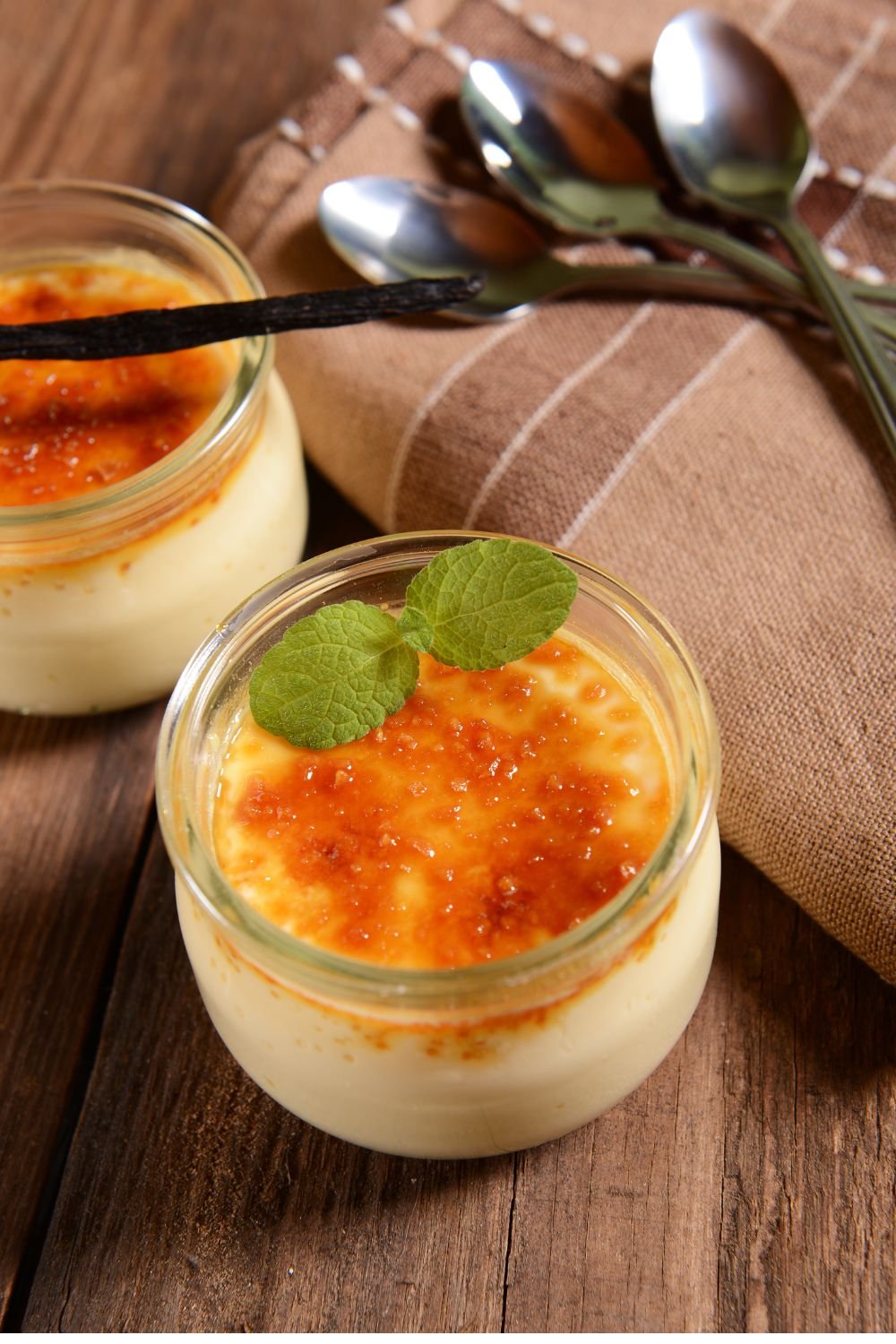
 Mary Berry crème brûlée brings a touch of French elegance to British kitchens, perfected by our beloved baking queen herself. Growing up watching her on television, my mum was inspired to master this classic dessert for our family celebrations. The satisfying crack of the caramelized sugar crust became the soundtrack to our special dinners, and everyone would lean in with anticipation. This recipe has transformed ordinary evenings into memorable occasions at our table for years. Now you can recreate Mary Berry’s signature creamy perfection and impress your own loved ones with this timeless treat.
Why You’Ll Love This Mary Berry Creme Bruleen
Because this dessert manages to be both ridiculously fancy and surprisingly doable at the same time, which honestly feels like winning the dinner party lottery. I mean, you crack that caramelized sugar with the back of a spoon and suddenly you’re a culinary genius. The silky custard underneath is pure velvet, and nobody needs to know you basically just whisked some stuff together and let the oven do the heavy lifting. It’s got that restaurant-quality vibe without the restaurant-level stress, which is exactly my kind of dessert math.
What Ingredients Are In Mary Berry Creme Bruleen?
This classic French dessert keeps things beautifully simple with just a handful of premium ingredients that work together to create that iconic creamy custard base. The magic really comes from the quality of what you’re using rather than the quantity, so it’s worth splurging a bit on fresh eggs and good vanilla extract. You’ll notice there’s no flour, no cornstarch, no fancy stabilizers—just pure dairy, eggs, and sugar doing exactly what they’re supposed to do.
- 4 extra-large egg yolks
- 3 tablespoons (30g) granulated sugar
- A few drops of vanilla extract
- 1¼ cups (300ml) half-and-half
- 1¼ cups (300ml) heavy cream
- About ¼ cup (55g) demerara sugar
The demerara sugar listed at the end is specifically for that crispy caramelized top, not the custard itself, so don’t accidentally mix it into your base. You’ll want to make sure your egg yolks are at room temperature before you start whisking, as they’ll incorporate more smoothly with the cream mixture. If you can’t find demerara sugar, regular granulated sugar works for the topping in a pinch, though demerara gives you those gorgeous crunchy caramel notes that really make the dessert sing.
For more restaurant-quality desserts at home, our Hot Chocolate Soufflés deliver pure indulgence.
How To Make This Mary Berry Creme Bruleen
- Begin by preheating your oven to 325°F and preparing your baking vessel—either an 18-ounce shallow dish or 6–8 individual ramekins with a light coating of grease.
- In a bowl, beat 4 extra-large egg yolks together with 3 tablespoons (30g) of granulated sugar and a few drops of vanilla extract until the mixture becomes pale and well combined.
- In a separate saucepan, heat 1¼ cups (300ml) of half-and-half and 1¼ cups (300ml) of heavy cream together until the mixture reaches just below boiling point.
- Allow the cream mixture to cool slightly before slowly whisking it into the egg yolk mixture, stirring constantly to prevent the eggs from scrambling and creating a smooth custard base.
- Pour the custard into your prepared dish or ramekins, then carefully place them into a roasting pan that has been filled halfway with hot water—this water bath guarantees gentle, even cooking that prevents the delicate custard from curdling or developing an undesirable texture.
- Bake for 45 minutes if using one shallow dish, or 25–30 minutes if using individual ramekins, until the custard is set but still slightly jiggly in the very center. Remove from the oven and allow to cool completely, then cover and refrigerate overnight, which allows the flavors to develop and the custard to firm up completely.
- When ready to finish the dessert, preheat your broiler to high heat. Remove the chilled custard from the refrigerator and sprinkle about ¼ cup (55g) of demerara sugar evenly across the top of each ramekin or the shallow dish.
- Place under the broiler for 3–4 minutes, watching closely to guarantee the sugar melts and caramelizes to a golden-brown color without burning. Remove from heat and allow to cool for a few minutes, then refrigerate for 2–3 hours before serving, which allows the caramelized topping to slightly soften while maintaining its satisfying crunch.

Mary Berry Creme Brulee
Ingredients
Method
- Begin by preheating your oven to 325°F and preparing your baking vessel—either an 18-ounce shallow dish or 6–8 individual ramekins with a light coating of grease.
- In a bowl, beat 4 extra-large egg yolks together with 3 tablespoons (30g) of granulated sugar and a few drops of vanilla extract until the mixture becomes pale and well combined.
- In a separate saucepan, heat 1¼ cups (300ml) of half-and-half and 1¼ cups (300ml) of heavy cream together until the mixture reaches just below boiling point.
- Allow the cream mixture to cool slightly before slowly whisking it into the egg yolk mixture, stirring constantly to prevent the eggs from scrambling and creating a smooth custard base.
- Pour the custard into your prepared dish or ramekins, then carefully place them into a roasting pan that has been filled halfway with hot water—this water bath guarantees gentle, even cooking that prevents the delicate custard from curdling or developing an undesirable texture.
- Bake for 45 minutes if using one shallow dish, or 25–30 minutes if using individual ramekins, until the custard is set but still slightly jiggly in the very center. Remove from the oven and allow to cool completely, then cover and refrigerate overnight, which allows the flavors to develop and the custard to firm up completely.
- When ready to finish the dessert, preheat your broiler to high heat. Remove the chilled custard from the refrigerator and sprinkle about ¼ cup (55g) of demerara sugar evenly across the top of each ramekin or the shallow dish.
- Place under the broiler for 3–4 minutes, watching closely to guarantee the sugar melts and caramelizes to a golden-brown color without burning. Remove from heat and allow to cool for a few minutes, then refrigerate for 2–3 hours before serving, which allows the caramelized topping to slightly soften while maintaining its satisfying crunch.
Notes
What Are Some Common Mistakes When Making Crème Brûlée?
The biggest mistake with Mary Berry creme brulee is overheating the custard, which causes curdling and a grainy texture instead of silky smoothness. The custard should gently cook in a water bath at low temperature, never exceeding 160°C. Rushing this process or baking at too high heat ruins the delicate creme brulee texture that makes this dessert so luxurious. Over-torching the sugar topping is another frequent error with Mary Berry creme brulee. The caramelized sugar should form a thin, crisp shell that cracks satisfyingly under a spoon, not a thick, bitter burnt layer. Keep the blowtorch moving constantly and stop when the sugar turns golden amber. Additionally, adding the sugar topping too early causes it to dissolve into the custard rather than creating that signature creme brulee crunch. Not chilling Mary Berry’s creme brulee adequately before torching leads to warm, runny custard instead of cold, set perfection. The custards need at least 4 hours refrigeration, preferably overnight, to achieve the proper consistency. Using the wrong sugar is also problematic; creme brulee requires fine caster sugar for even caramelization, not granulated sugar which creates an uneven, grainy topping that won’t achieve that perfect glassy finish.What Are Some Common Mistakes When Making Crème Brûlée?
The biggest mistake with Mary Berry creme brulee is overheating the custard, which causes curdling and a grainy texture instead of silky smoothness. The custard should gently cook in a water bath at low temperature, never exceeding 160°C. Rushing this process or baking at too high heat ruins the delicate creme brulee texture that makes this dessert so luxurious.
Over-torching the sugar topping is another frequent error with Mary Berry creme brulee. The caramelized sugar should form a thin, crisp shell that cracks satisfyingly under a spoon, not a thick, bitter burnt layer. Keep the blowtorch moving constantly and stop when the sugar turns golden amber. Additionally, adding the sugar topping too early causes it to dissolve into the custard rather than creating that signature creme brulee crunch.
Not chilling Mary Berry’s creme brulee adequately before torching leads to warm, runny custard instead of cold, set perfection. The custards need at least 4 hours refrigeration, preferably overnight, to achieve the proper consistency. Using the wrong sugar is also problematic; creme brulee requires fine caster sugar for even caramelization, not granulated sugar which creates an uneven, grainy topping that won’t achieve that perfect glassy finish.
Mary Berry Creme Bruleen Substitutions And Variations
One of the beautiful things about crème brûlée is how forgiving it is when you need to swap ingredients or add your own creative twist. Can’t find demerara sugar for the top? Regular granulated works fine, though it won’t give you quite the same caramel crunch. I like adding a tablespoon of liqueur—Grand Marnier or Kahlua—to the cream mixture for adult flair. You can also infuse the cream with coffee beans, citrus zest, or even Earl Grey tea. Just steep, strain, and proceed as usual. Want chocolate? Stir in melted dark chocolate before baking.
What To Serve With Mary Berry Creme Bruleen
Crème brûlée doesn’t need much company—it’s already the star of the show with that crackly sugar top and silky custard underneath. But if you’re serving it after a big meal, I like keeping things light beforehand. A simple roasted chicken or grilled fish works perfectly since you won’t weigh anyone down before dessert. Maybe some fresh berries on the side if you’re feeling fancy, though honestly? I usually just let the crème brûlée shine solo. It’s rich enough that nobody’s asking for more anyway. Trust me, that caramelized sugar does all the talking.
Final Thoughts
Look, I’m not going to pretend this is some revolutionary dessert that’ll change your life. But here’s what I know: when you crack through that caramelized sugar shell and hit that silky custard underneath, you’ll get it. You’ll understand why people obsess over this French classic. Mary Berry’s version strips away all the fussy nonsense and gives you something actually doable on a Tuesday night. Will it impress dinner guests? Absolutely. Will it make you feel like you’ve accomplished something real in the kitchen? Even more so.