 Lucy M.
 I’ve always wondered why Mary Berry’s fettuccine primavera hits differently than other spring pasta dishes. There’s something about how she balances those tender vegetables with a silky garlic cream sauce that just works. But here’s what I want to know: what makes this version stand out from the countless primavera recipes floating around? Let’s uncover that together.
Why You’Ll Love This Mary Berry Fettuccine Primavera
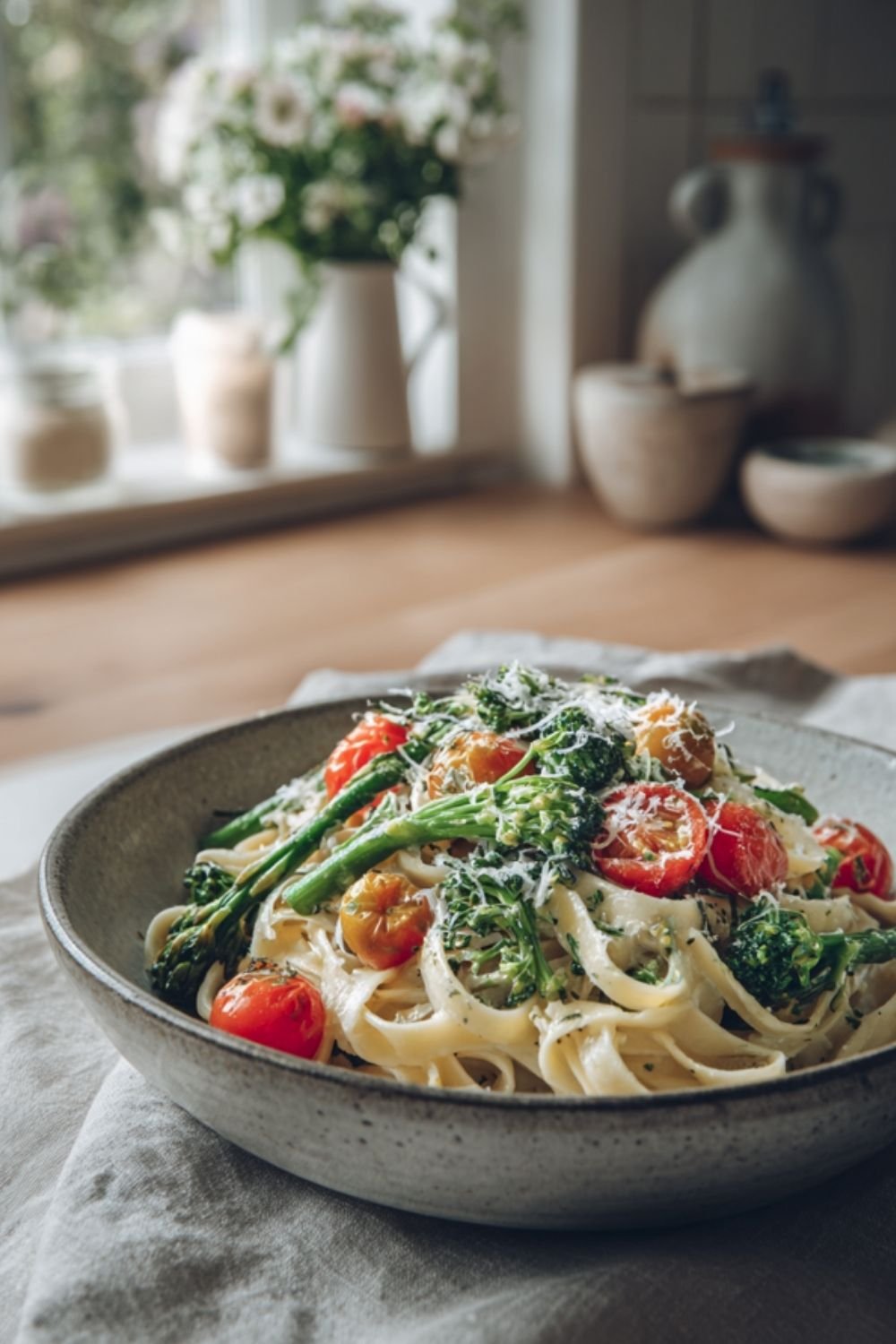
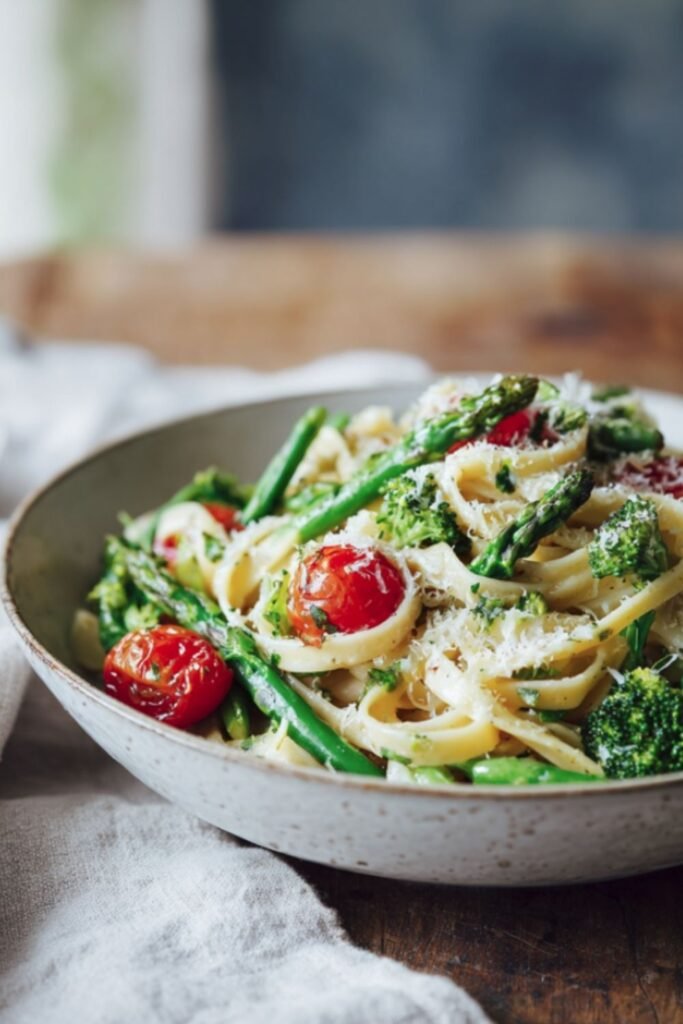
If you’re looking for a pasta dish that actually tastes like spring on a plate, this fettuccine primavera delivers the goods without making you feel like you’ve spent all day in the kitchen. I appreciate how Mary Berry keeps things simple—just fresh vegetables, garlic, and cream.
No complicated techniques to stress about. The beauty here is that you’re fundamentally throwing colorful veggies into a pan and letting them do their thing. Asparagus, broccoli, zucchini, peppers, peas—it’s like eating a garden, but in the best way possible.
Plus, the basil and Parmesan finish? Chef’s kiss. You’ll feel fancy serving this, yet it comes together faster than ordering takeout. That’s the real magic.
This fresh fettuccine primavera is wonderfully light, but when you’re craving something heartier, Mary Berry’s Beef Stroganoff is pure comfort. The tender beef and rich, creamy sauce offer a completely different but equally delicious experience.
What Ingredients Are In Mary Berry Fettuccine Primavera?
This garden-fresh pasta dish relies on a carefully balanced combination of seasonal vegetables, quality pantry staples, and a few essential aromatics. Mary Berry’s version celebrates the natural flavors of spring produce, with each ingredient playing a specific role in creating a harmonious, restaurant-quality dish. The beauty of this recipe lies in how straightforward the ingredient list is—there are no obscure items to hunt down or complicated components that require special preparation skills.
Ingredients:
- 4 oz (125 g) asparagus, trimmed and cut into bite-sized pieces
- 4 oz (125 g) broccoli florets
- 1 sliced zucchini
- ½ red bell pepper, halved, seeded, and diced
- ½ yellow bell pepper, halved, seeded, and diced
- 3 oz (90 g) frozen peas
- 1 × 7 oz (200 g) can chopped tomatoes
- 3 crushed garlic cloves
- 3 tbsp olive oil
- ½ cup heavy cream
- 1 lb (500 g) fettuccine
- ¼ cup shredded fresh basil
- 3 oz (90 g) grated Parmesan cheese
- Salt and black pepper to taste
How To Make This Mary Berry Fettuccine Primavera
- Bring a pot of salted water to a boil and add the asparagus, broccoli, and zucchini. Cook for about 3 minutes until the vegetables are just tender but still have a slight crunch. Drain them immediately in a colander, then rinse under cold running water to stop the cooking process and preserve their vibrant color. Set aside while you prepare the rest of the dish.
- Pour the oil into a large, deep frying pan and heat it over medium heat. Add the peppers and garlic, then cook, stirring frequently, for approximately 4 minutes until the peppers have softened and become tender without browning too much.
- Toss in the tomatoes along with the peas and continue cooking for about 5 minutes, stirring occasionally, until the liquid in the pan has reduced by half and the mixture has thickened slightly.
- Return the reserved asparagus, broccoli, and zucchini to the pan, mixing them in with the tomato mixture. Pour in the cream and bring everything to a gentle boil. Let it bubble for 1–2 minutes to reduce the liquid further and intensify the flavors. Season with salt and pepper to your liking, then remove the pan from the heat.
- While the sauce is finishing, cook the fettuccine in a large saucepan of boiling salted water for 8–10 minutes, or until it’s just tender with a pleasant bite.
- Drain the fettuccine thoroughly, shaking off any excess water, then add it directly to the pan with the vegetable cream sauce. Toss everything together over high heat, making sure the pasta is well coated with the sauce and heated through. Stir in the shredded fresh basil at the last moment for a burst of aromatic flavor. Transfer to serving bowls or plates and finish with a generous sprinkling of freshly grated Parmesan cheese. Serve immediately while piping hot.
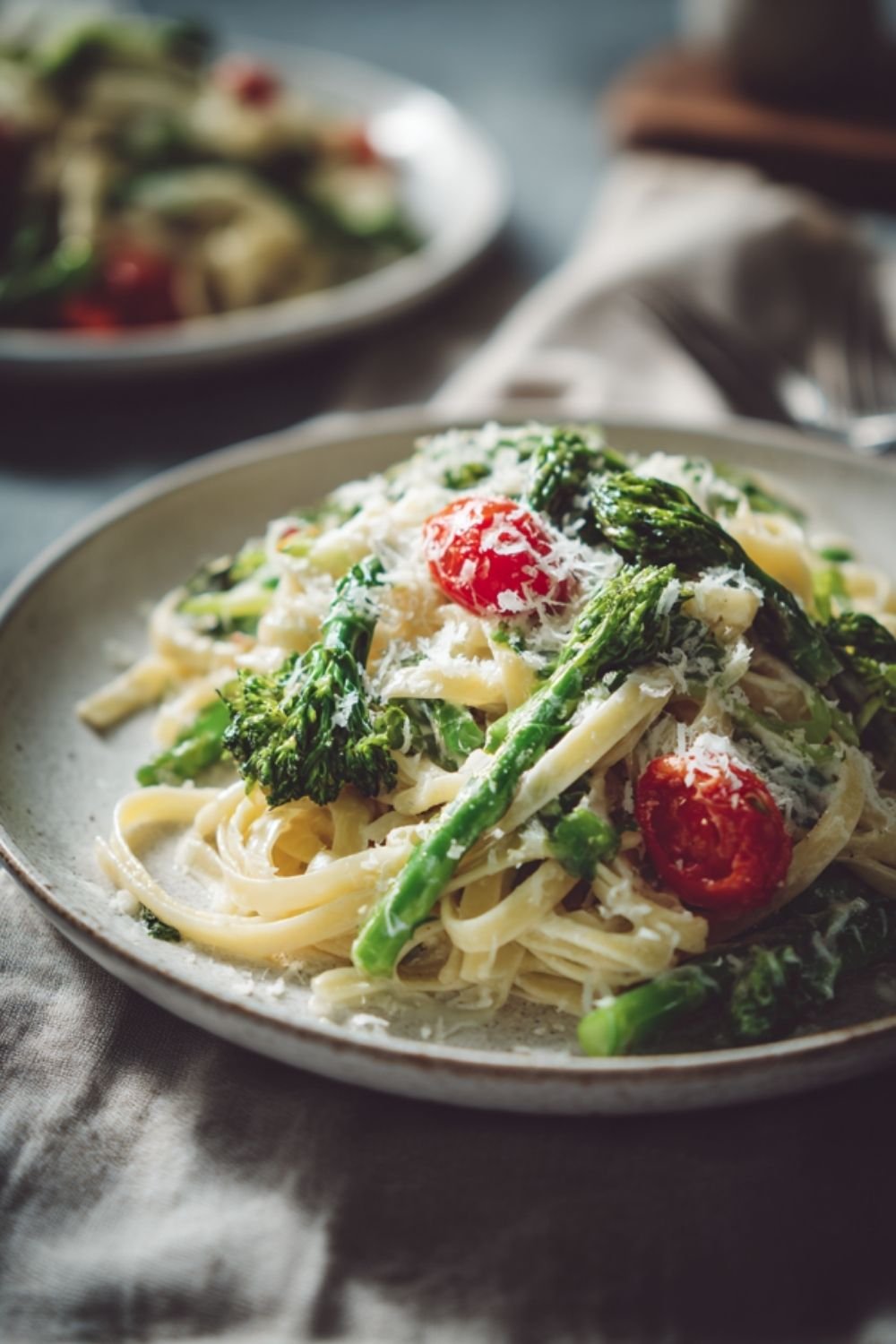
Mary Berry Fettuccine Primavera
Ingredients
Method
- Bring a pot of salted water to a boil and add the asparagus, broccoli, and zucchini. Cook for about 3 minutes until the vegetables are just tender but still have a slight crunch. Drain them immediately in a colander, then rinse under cold running water to stop the cooking process and preserve their vibrant color. Set aside while you prepare the rest of the dish.
- Pour the oil into a large, deep frying pan and heat it over medium heat. Add the peppers and garlic, then cook, stirring frequently, for approximately 4 minutes until the peppers have softened and become tender without browning too much.
- Toss in the tomatoes along with the peas and continue cooking for about 5 minutes, stirring occasionally, until the liquid in the pan has reduced by half and the mixture has thickened slightly.
- Return the reserved asparagus, broccoli, and zucchini to the pan, mixing them in with the tomato mixture. Pour in the cream and bring everything to a gentle boil. Let it bubble for 1–2 minutes to reduce the liquid further and intensify the flavors. Season with salt and pepper to your liking, then remove the pan from the heat.
- While the sauce is finishing, cook the fettuccine in a large saucepan of boiling salted water for 8–10 minutes, or until it’s just tender with a pleasant bite.
- Drain the fettuccine thoroughly, shaking off any excess water, then add it directly to the pan with the vegetable cream sauce. Toss everything together over high heat, making sure the pasta is well coated with the sauce and heated through. Stir in the shredded fresh basil at the last moment for a burst of aromatic flavor. Transfer to serving bowls or plates and finish with a generous sprinkling of freshly grated Parmesan cheese. Serve immediately while piping hot.
Mary Berry Fettuccine Primavera Substitutions And Variations
Now that you’ve mastered the basic formula, the fun part comes—making this dish your own. I’d swap the broccoli for cauliflower if that’s what you’ve got hanging around your fridge. Cherry tomatoes work beautifully instead of canned ones, though you’ll skip the can and toss them in whole at the end so they stay intact.
Want to bump up the protein? I’d throw in grilled chicken, shrimp, or white beans without hesitation. The heavy cream can get swapped for mascarpone or even a splash of pasta water if you’re keeping things lighter. Fresh spinach nestles right in there too. Really, the vegetables here are just your starting point—whatever’s fresh and calling to you from the market works perfectly fine.
What To Serve With Mary Berry Fettuccine Primavera
The beauty of this creamy vegetable pasta lies in its flexibility—it’s rich enough to stand alone as a main course, yet it absolutely welcomes supporting players on the plate. I’d pair it with a crisp green salad dressed in lemon vinaigrette to cut through the cream’s richness. Garlic bread is basically mandatory if you ask me, though I’d skip the butter-heavy versions and opt for a lighter olive oil toast instead.
A chilled white wine like Pinot Grigio complements the fresh vegetables beautifully. For something heartier, consider roasted chicken or grilled shrimp alongside it. The key is choosing sides that don’t compete with the dish’s delicate vegetable flavors. Keep things light, keep them simple, and you’ve got yourself a genuinely satisfying meal.
Final Thoughts
Mary Berry’s fettuccine primavera is one of those recipes that makes you wonder why you don’t cook it more often, you know? The beauty lies in its simplicity—fresh vegetables, quality ingredients, and straightforward technique combine into something genuinely impressive. You’re not wrestling with complicated steps or obscure ingredients you’ll never use again.
What I appreciate most is how adaptable it is. Swap vegetables based on what’s in your garden or farmer’s market. Prefer a lighter sauce? Use less cream. Want it richer? Add more Parmesan. The recipe bends to your preferences without losing its charm.
This dish proves that home cooking doesn’t require hours in the kitchen or restaurant-level skills. Just quality ingredients, proper timing, and a willingness to keep things straightforward. That’s where real flavor happens.