 Lucy M.
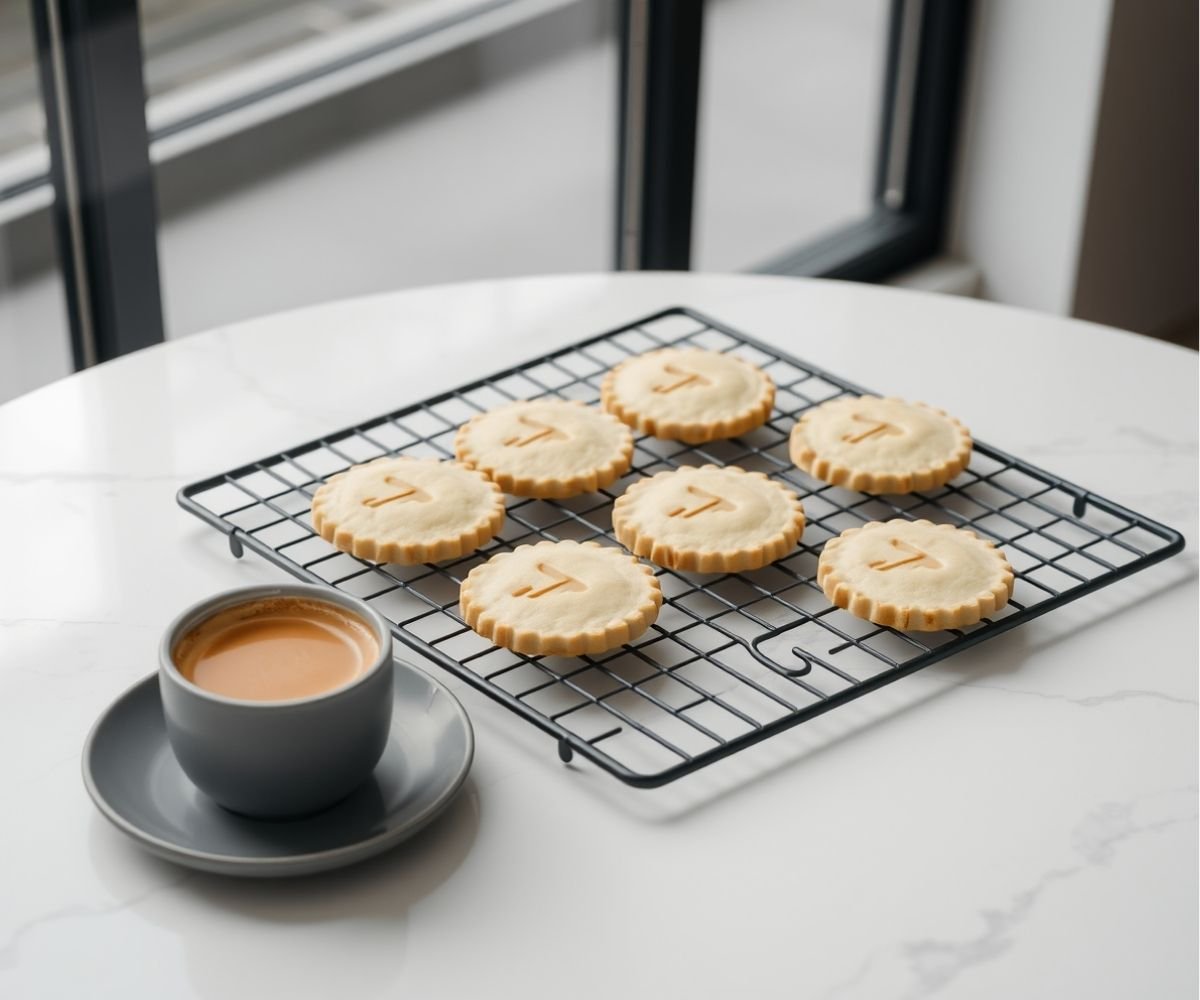
 These shortbread cookies are buttery, crumbly, and melt in your mouth. They’re a classic British treat that I always come back to when I want something simple and comforting with my tea.
I’ve tried so many cookie recipes, but this Mary Berry shortbread has a special place in my kitchen. It’s the kind of recipe that doesn’t need fancy ingredients or steps. Just a few everyday things, and boom — you’ve got delicious shortbread that tastes like it came from a bakery. I like making them when I need something sweet but easy.
Ingredients
- ½ cup (plus a spoon extra) of soft salted butter
- 1⅓ cups of plain flour (I use all-purpose)
- Around 6 tablespoons of light brown muscovado sugar
- A little demerara sugar to sprinkle on top (just a pinch or two)
Instructions
- I start by preheating my oven to 325°F (160°C).
- Then, I grab a big mixing bowl and toss in the butter. It should be soft — not melted. I mix it for a bit to get it creamy.
- Next, I add the muscovado sugar and beat it with the butter until it looks smooth and fluffy.
- After that, I slowly stir in the flour. At first, it seems crumbly, but don’t worry — just keep pressing and mixing until it turns into a soft dough.
- I place the dough on a floured surface and gently roll it out. I keep it about 1 cm thick.
- I use my favorite cookie cutter and make shapes, placing them on a lined baking tray.
- Right before baking, I sprinkle a bit of demerara sugar on top of each cookie.
- I bake them for 18–20 minutes, or until the edges look slightly golden.
- Once done, I leave them on the tray for 5 minutes, then move them to a rack to cool.
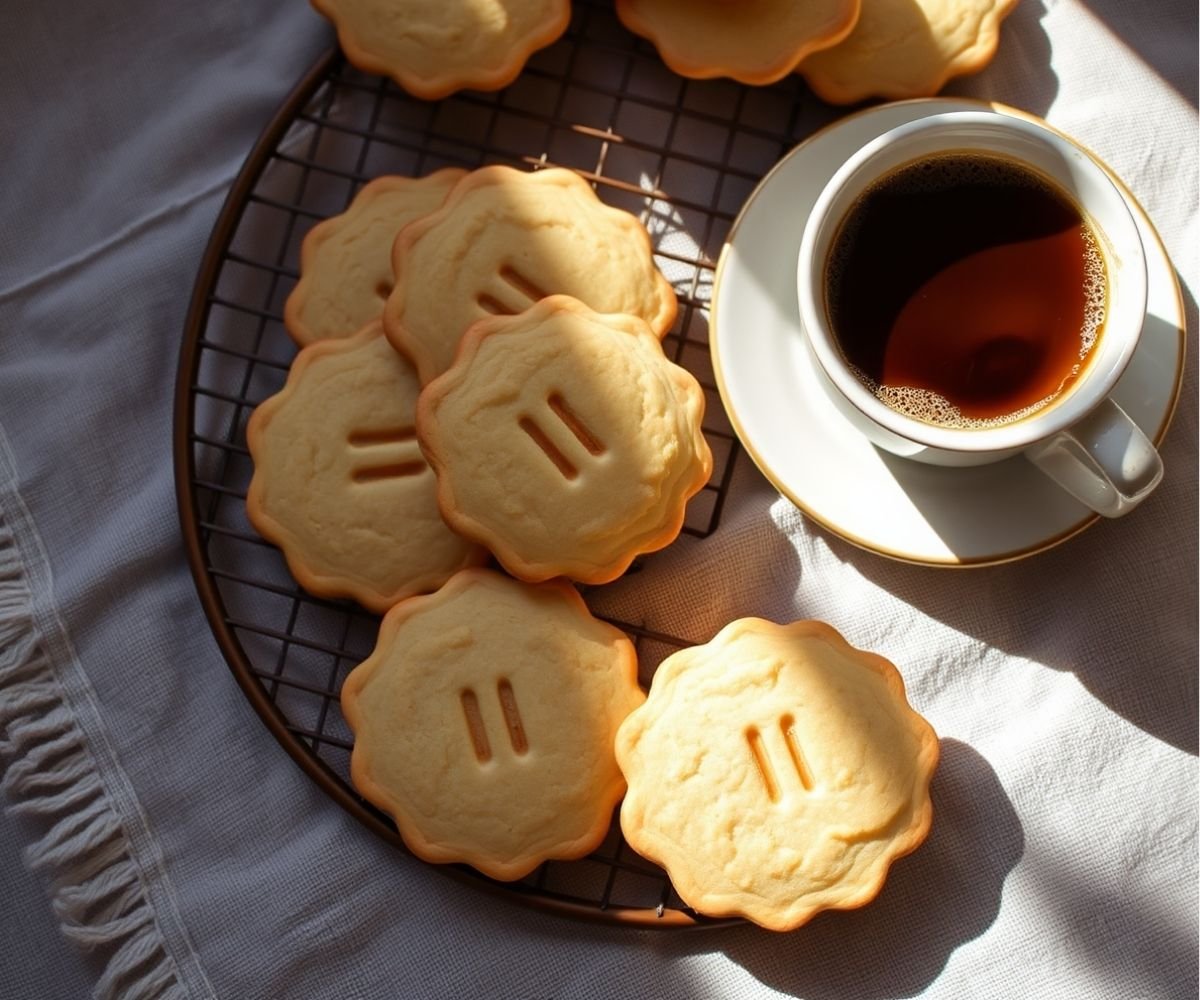
Mary Berry Shortbread Recipe
Ingredients
Method
- I start by preheating my oven to 325°F (160°C).
- Then, I grab a big mixing bowl and toss in the butter. It should be soft — not melted. I mix it for a bit to get it creamy.
- Next, I add the muscovado sugar and beat it with the butter until it looks smooth and fluffy.
- After that, I slowly stir in the flour. At first, it seems crumbly, but don’t worry — just keep pressing and mixing until it turns into a soft dough.
- I place the dough on a floured surface and gently roll it out. I keep it about 1 cm thick.
- I use my favorite cookie cutter and make shapes, placing them on a lined baking tray.
- Right before baking, I sprinkle a bit of demerara sugar on top of each cookie.
- I bake them for 18–20 minutes, or until the edges look slightly golden.
- Once done, I leave them on the tray for 5 minutes, then move them to a rack to cool.
Notes
Easy Flavor Twists: Cherry And Walnut Shortbread
Once you’ve mastered the classic Mary Berry shortbread, it’s fun to experiment with new flavors. Two of my favorite variations are Cherry Shortbread and Walnut Shortbread — both super easy to make with the same base dough. For Cherry Shortbread, I prepare the dough as usual, then gently press about 1½ teaspoons (around 30g) of chopped maraschino cherries into the top of each cookie before popping them in the oven. I skip the demerara sugar in this version since the cherries already bring a lovely sweetness. For Walnut Shortbread, I mix in roughly ½ cup (around 55g) of chopped walnuts right after rubbing the butter into the flour. The nuts give the cookies a nice crunch and a nutty richness. Once they’re baked and fully cooled, I dust them generously with sifted icing sugar for a pretty finish. Both variations turn out beautifully and are perfect if you want to switch things up without adding extra steps. Give them a go next time — I promise they’re worth it!Mary Berry’s shortbread pairs beautifully with the delicate flavors of lavender cookies—perfect for a charming tea-time treat.
Easy Flavor Twists: Cherry And Walnut Shortbread
Once you’ve mastered the classic Mary Berry shortbread, it’s fun to experiment with new flavors. Two of my favorite variations are Cherry Shortbread and Walnut Shortbread — both super easy to make with the same base dough.
For Cherry Shortbread, I prepare the dough as usual, then gently press about 1½ teaspoons (around 30g) of chopped maraschino cherries into the top of each cookie before popping them in the oven. I skip the demerara sugar in this version since the cherries already bring a lovely sweetness.
For Walnut Shortbread, I mix in roughly ½ cup (around 55g) of chopped walnuts right after rubbing the butter into the flour. The nuts give the cookies a nice crunch and a nutty richness. Once they’re baked and fully cooled, I dust them generously with sifted icing sugar for a pretty finish.
Both variations turn out beautifully and are perfect if you want to switch things up without adding extra steps. Give them a go next time — I promise they’re worth it!
History Of Shortbread In British Baking
Shortbread has been part of British baking for centuries. It first appeared in Scotland during the 12th century, but the version we know today became popular in the 16th century. Back then, it was considered a luxury and saved for special occasions like weddings and holidays.
Traditionally, shortbread was made with just three ingredients: flour, sugar, and butter. No eggs. No raising agents. Just simple pantry items. The word “short” actually comes from the high amount of butter used, which gives the cookie that crumbly, melt-in-your-mouth texture.
Over time, shortbread spread across the UK and became a must-have at tea time. Today, bakers like Mary Berry have made it even more loved by adding little touches — like muscovado sugar or a sprinkle of demerara. But the heart of it stays the same: buttery, crumbly, and absolutely delicious.
Nutritional Value (Per Cookie – Makes Around 20)
- Calories: ~95
- Fat: ~5g
- Carbohydrates: ~12g
- Sugar: ~4g
- Protein: ~1g
Conclusion
That’s it — my go-to Mary Berry shortbread recipe. It’s super easy and always turns out right. These cookies are great for gifting, tea time, or just a snack when you need a pick-me-up. Trust me, they won’t last long in the jar!