
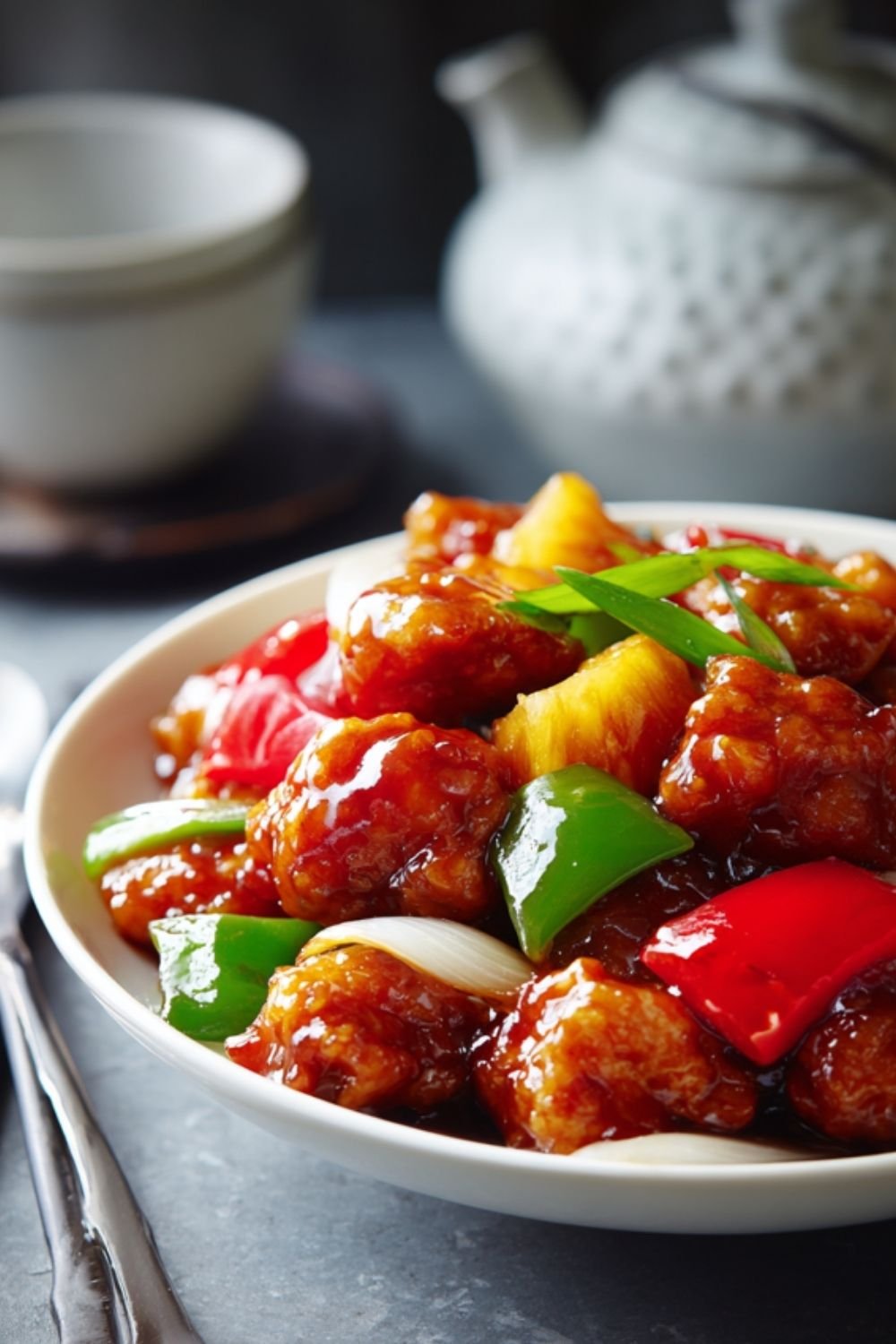
 Lucy M.
 You’re probably wondering if you can actually pull off restaurant-quality sweet and sour chicken at home without ordering takeout for the third time this week. Here’s the thing: Mary Berry’s version strips away the mystery and gives you a straightforward path to that perfect balance of tangy, sweet, and savory flavors. But there’s a technique that’ll make yours genuinely better than you’d expect—and I’m about to show you exactly how.
Why You’Ll Love This Mary Berry Sweet And Sour Chicken
If you’re after a weeknight dinner that tastes like you’ve spent hours in the kitchen but actually comes together faster than you’d think, this sweet and sour chicken delivers. I love how the pineapple and lychees create this gorgeous balance—not too sweet, not too tangy.
The sauce clings beautifully to each piece of chicken, and those peppers stay crisp enough to give you actual texture. What really gets me is how forgiving this dish is. You can swap vegetables around, adjust the sauce thickness, and it still works. Plus, it’s the kind of meal that makes your kitchen smell incredible while you’re cooking, which honestly feels like half the battle on a tired Tuesday night.
For another fast and delicious chicken dinner, try our chicken cacciatore that’s ready in under an hour with rich tomato-based sauce.
What Ingredients Are In Mary Berry Sweet And Sour Chicken?
Mary Berry’s sweet and sour chicken combines simple pantry staples with fresh produce to create a restaurant-quality dish at home. The recipe relies on a harmonious blend of Asian-inspired seasonings, tender chicken, and a medley of colorful vegetables that work together to deliver both visual appeal and balanced flavors. Each ingredient plays an essential role in building the dish’s signature sauce and texture, making ingredient quality and proper preparation vital to achieving the best results.
Ingredients:
- 1 lb (500g) skinless, boneless chicken breasts, cut into 1-inch (2.5cm) pieces
- 2 tbsp dark soy sauce
- 1 tbsp Chinese rice wine or dry sherry
- 1 × 8oz (250g) can pineapple chunks in natural juice, drained (juice reserved)
- 2 tbsp cornstarch
- 3 tbsp sunflower oil
- 1 green bell pepper, halved, seeded, and cut into bite-sized pieces
- 1 red bell pepper, halved, seeded, and cut into bite-sized pieces
- 1 celery stalk, thickly sliced
- 1 onion, cut into bite-sized chunks
- ¼ cup ketchup
- 8oz (250g) canned lychees, drained (juice reserved)
- Salt and black pepper to taste
- Chopped fresh cilantro for garnish (optional)
How To Make This Mary Berry Sweet And Sour Chicken
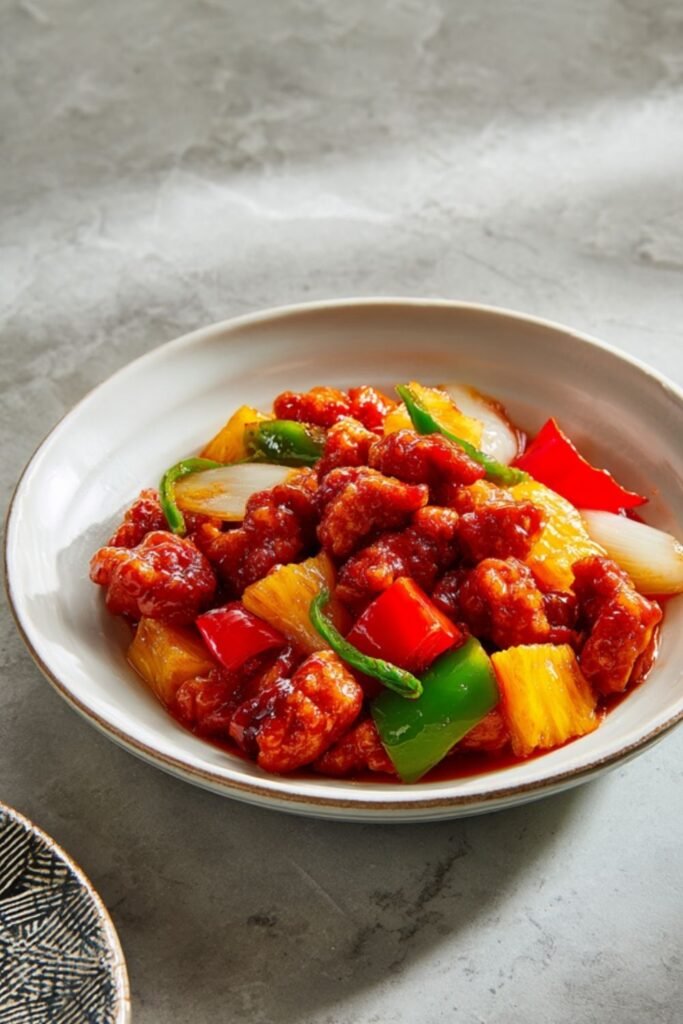
- Place the chicken pieces in a large bowl and toss them with the soy sauce and rice wine or sherry until well coated. Cover the bowl and refrigerate for at least 30 minutes to allow the flavors to develop.
- While the chicken marinates, combine the reserved pineapple juice with enough water to reach 1 cup total. Blend this liquid with the cornstarch until smooth and set aside for later use.
- Heat the oil in a wok or large frying pan over high heat. Add the marinated chicken (working in batches if needed to avoid overcrowding) and stir-fry for 3–4 minutes until golden brown on all sides. Remove the chicken with a slotted spoon and set aside.
- Toss the green and red bell peppers, celery, and onion into the wok. Stir-fry the vegetables for about 5 minutes until they’re tender-crisp and slightly charred at the edges.
- Pour the cornstarch and pineapple juice mixture into the wok along with the ketchup and reserved lychee juice. Stir continuously and cook for 3–5 minutes until the sauce thickens and becomes glossy.
- Return the cooked chicken to the wok, then add the lychees and pineapple chunks. Toss everything together and heat through for a minute or two.
- Season with salt and pepper to taste and serve immediately. Garnish with fresh cilantro if desired for an extra pop of color and flavor.
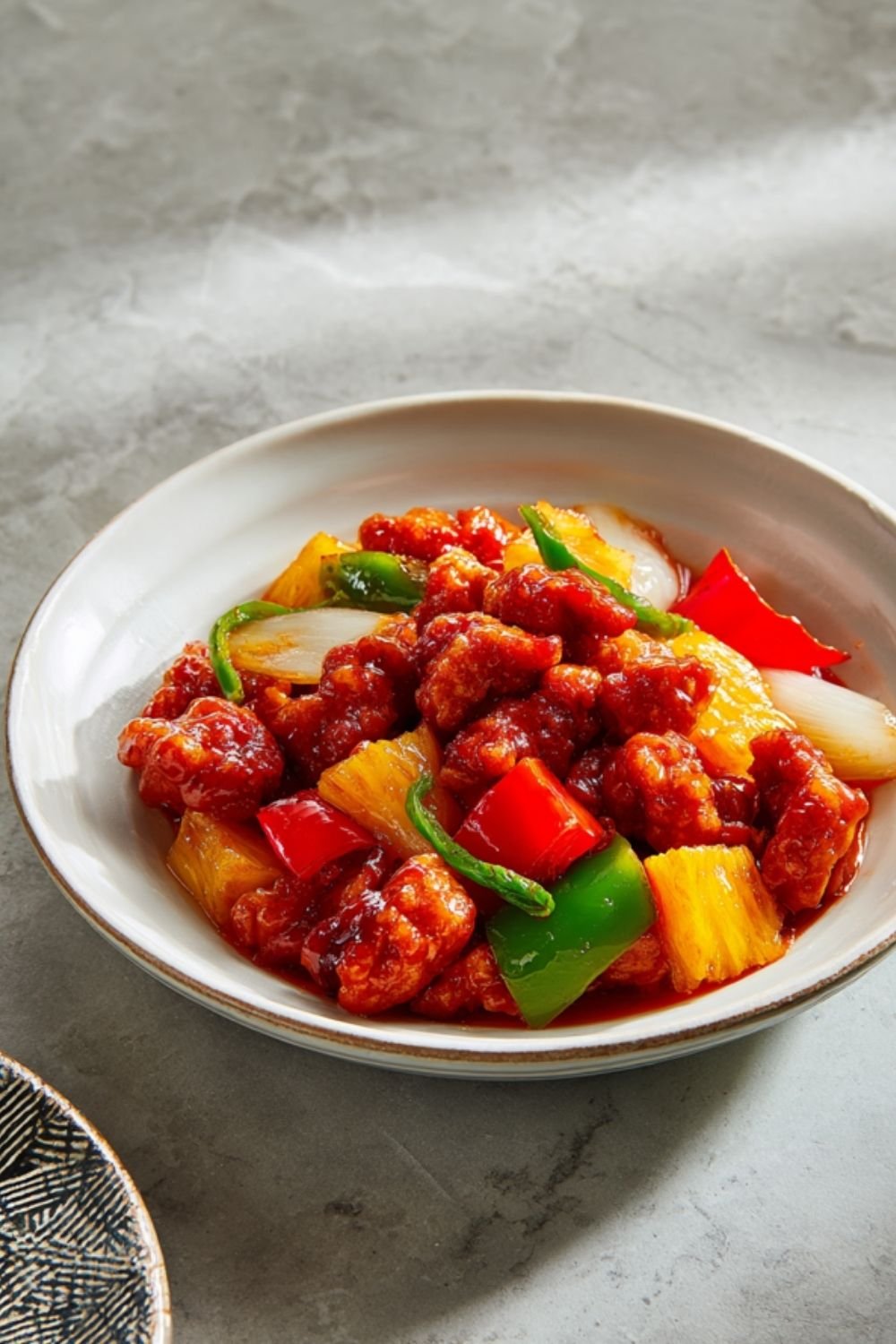
Mary Berry Sweet And Sour Chicken Recipe
Ingredients
Method
- Place the chicken pieces in a large bowl and toss them with the soy sauce and rice wine or sherry until well coated. Cover the bowl and refrigerate for at least 30 minutes to allow the flavors to develop.
- While the chicken marinates, combine the reserved pineapple juice with enough water to reach 1 cup total. Blend this liquid with the cornstarch until smooth and set aside for later use.
- Heat the oil in a wok or large frying pan over high heat. Add the marinated chicken (working in batches if needed to avoid overcrowding) and stir-fry for 3–4 minutes until golden brown on all sides. Remove the chicken with a slotted spoon and set aside.
- Toss the green and red bell peppers, celery, and onion into the wok. Stir-fry the vegetables for about 5 minutes until they’re tender-crisp and slightly charred at the edges.
- Pour the cornstarch and pineapple juice mixture into the wok along with the ketchup and reserved lychee juice. Stir continuously and cook for 3–5 minutes until the sauce thickens and becomes glossy.
- Return the cooked chicken to the wok, then add the lychees and pineapple chunks. Toss everything together and heat through for a minute or two.
- Season with salt and pepper to taste and serve immediately. Garnish with fresh cilantro if desired for an extra pop of color and flavor.
Notes
Storage And Reheating
Store leftover Mary Berry sweet and sour chicken in an airtight container in the refrigerator for up to 3 days. Keep the sauce and chicken together to maintain moisture and flavor. To reheat, warm in a wok or large skillet over medium heat, stirring frequently until heated through. Add a tablespoon of water or chicken stock if the sauce has thickened too much. You can also microwave individual portions in 1-minute intervals, stirring between each. For best results, avoid overcooking during reheating to keep the vegetables crisp and the chicken tender.Mary Berry Sweet And Sour Chicken Storage And Reheating
Store leftover Mary Berry sweet and sour chicken in an airtight container in the refrigerator for up to 3 days. Keep the sauce and chicken together to maintain moisture and flavor. To reheat, warm in a wok or large skillet over medium heat, stirring frequently until heated through.
Add a tablespoon of water or chicken stock if the sauce has thickened too much. You can also microwave individual portions in 1-minute intervals, stirring between each. For best results, avoid overcooking during reheating to keep the vegetables crisp and the chicken tender.
Mary Berry Sweet And Sour Chicken Substitutions And Variations
Now that you’ve got the basic technique down, here’s where things get fun—you can totally make this dish work with whatever’s hanging around your kitchen or whatever your taste buds are craving. Swap the chicken for shrimp, pork, or tofu if you’re feeling adventurous.
Can’t find lychees? Mangoes work beautifully. I’d personally use fresh pineapple instead of canned, though you’ll need to adjust your juice ratio. Don’t have celery? Broccoli florets won’t let you down.
Ketchup not your thing? Try tomato paste mixed with a touch of sugar. Even the peppers are flexible—use whatever colors speak to you. The beauty here is adapting this recipe to match what you’ve got and what you love eating.
What To Serve With Mary Berry Sweet And Sour Chicken
Since this dish is all about those sticky-sweet flavors and tender chicken pieces swimming in sauce, you’ll want to pick a side that can stand up to it without getting totally overshadowed. I’d go with fluffy white rice or fried rice—they’re basically flavor sponges that soak up all that delicious sauce.
Egg fried rice? Even better, since you get those little pockets of richness throughout. If you’re feeling adventurous, noodles work nicely too. Skip heavy sides like mashed potatoes though, because they’ll just compete with what makes this dish shine.
A crisp green salad on the side cuts through the sweetness, keeping things balanced. The key is choosing something neutral enough to complement rather than compete.
Final Thoughts
Why does sweet and sour chicken have such staying power in home kitchens? I think it’s because this dish hits that sweet spot between comforting and exciting. You’ve got crispy chicken, vibrant vegetables, and a sauce that tastes like takeout but comes straight from your own stove. It’s honestly hard to mess up once you nail the sauce ratio. The beauty here is flexibility, too. Can’t find lychees? Swap in more pineapple. Prefer mushrooms over celery? Go for it. Mary Berry’s version proves that this classic doesn’t need to be complicated. It just needs balance, decent timing, and ingredients you can grab anywhere. That’s why families keep returning to it, year after year.