
 Lucy M.
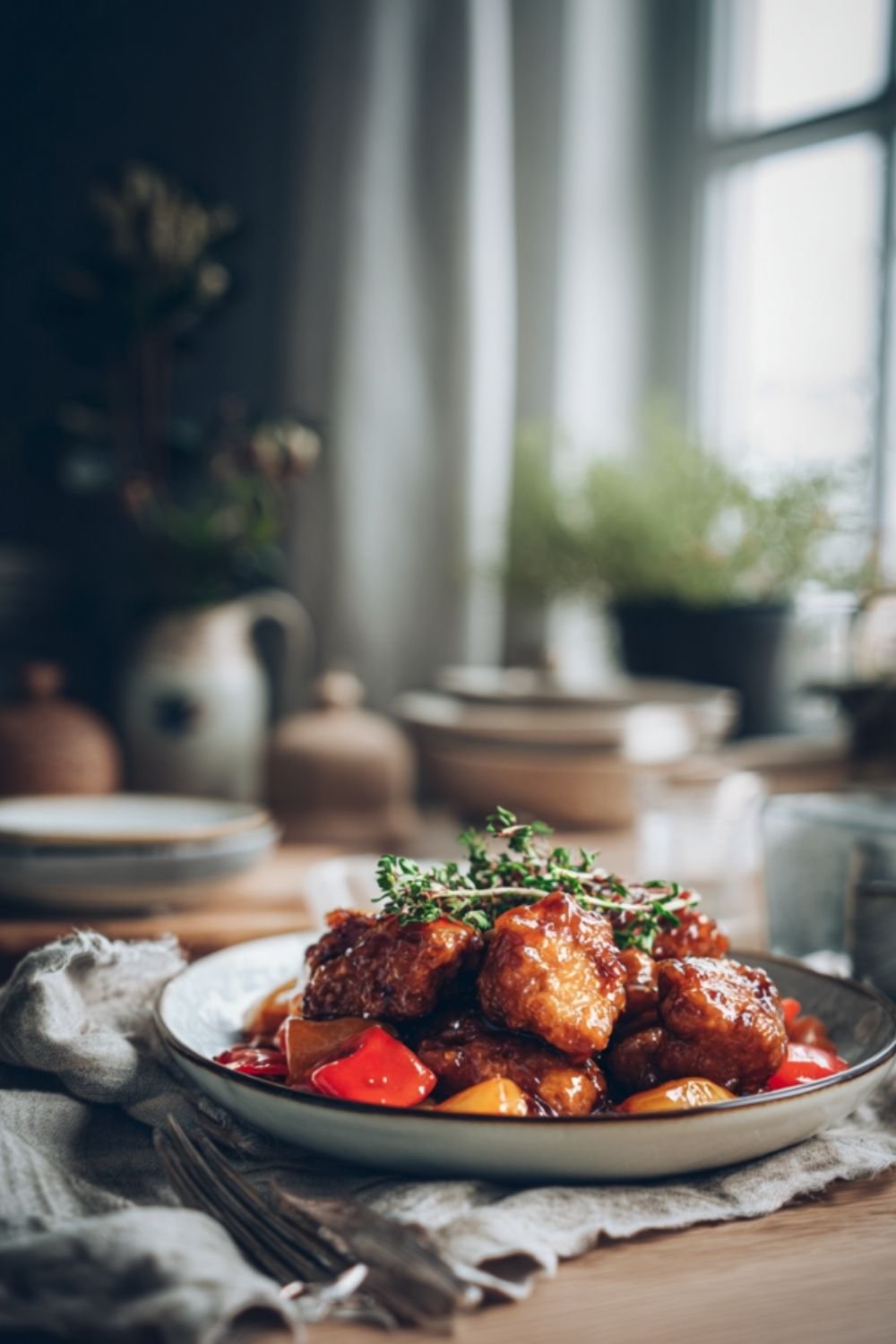
 Struggling to find a pork recipe that’s both elegant and easy to execute? Mary Berry’s sweet and sour pork solves that dilemma perfectly. This signature dish features succulent spareribs coated in a glossy, flavorful sauce made from simple pantry staples like soy sauce, ginger, and hoisin. The two-stage roasting method ensures tender meat with a beautifully caramelized exterior, delivering a restaurant-worthy meal in under two hours.
Why You’Ll Love This Mary Berry Sweet And Sour Pork
If you’ve ever wondered whether homemade sweet and sour pork could actually taste better than the takeout version, I’ve got news for you—it absolutely can. You’ll love how Mary Berry strips away the confusion and delivers something genuinely impressive with minimal fuss.
The sauce comes together in minutes, blending ginger, garlic, soy sauce, and hoisin into this glossy, balanced coating that clings to every rib. What gets me is how the flavors actually complement each other instead of fighting for attention.
The pork emerges tender, caramelized, and coated in that perfect sweet-savory glaze. You’re looking at restaurant-quality results without the grease or the dent in your wallet. This recipe proves that sometimes the simplest approach wins.
Love the bold sweet-and-sour flavors in this pork dish? Mary Berry’s Red Lentil Curry brings equally exciting taste with aromatic spices and creamy coconut milk. It’s perfect for when you’re craving something vibrant but want to skip the meat.
Does Sweet And Sour Sauce Go With Pork?
Sweet and sour sauce is an excellent pairing with pork, creating a perfectly balanced dish. The sauce’s tangy acidity cuts through the meat’s richness while the sweetness enhances its natural flavors. Pork’s mild taste provides an ideal canvas for bold, complex sauces, making it more versatile than chicken or beef for this preparation.
The combination has deep roots in Asian cuisine, particularly Chinese cooking traditions. Pork spareribs, belly, and tenderloin all work beautifully with sweet and sour glazes. The sauce caramelizes during cooking, creating a sticky, flavorful coating that becomes irresistibly tender.
Home cooks appreciate this pairing for its simplicity and impressive results. Whether roasted, stir-fried, or braised, sweet and sour pork delivers restaurant-quality flavor with minimal effort. The balance of tastes makes it appealing to diverse palates, making it perfect for family dinners or entertaining guests.
What Ingredients Are In Mary Berry Sweet And Sour Pork?
Mary Berry’s sweet and sour pork recipe relies on a carefully balanced combination of pantry staples and fresh aromatics that work together to create an authentic, restaurant-quality dish. The ingredient list is concisely short, which means each component plays an essential role in the final flavor profile. You won’t find any mysterious additives or hard-to-source items—everything listed can be found in most supermarkets, making this recipe accessible for home cooks of any skill level.
Ingredients:
- 2½ lb (1.25 kg) pork spareribs
- Salt and black pepper
- 1 in (2.5 cm) piece fresh ginger, peeled and grated
- 2 garlic cloves, crushed
- 2 tbsp soy sauce
- 2 tbsp rice wine or dry sherry
- 2 tbsp hoisin sauce
- 2 tbsp tomato paste
- 1 tbsp sesame oil (optional)
- 1 tbsp granulated sugar
- Scallions to garnish (optional)
The beauty of this ingredient list lies in its versatility and room for personalization. While sesame oil and scallion garnish are marked as optional, they add authentic depth and visual appeal to the finished dish. If you cannot find rice wine, dry sherry serves as an excellent substitute. Fresh ginger should be grated just before use to maximize its pungent, aromatic qualities, and using freshly crushed garlic rather than minced will deliver superior flavor compared to pre-prepared versions.
How To Make This Mary Berry Sweet And Sour Pork
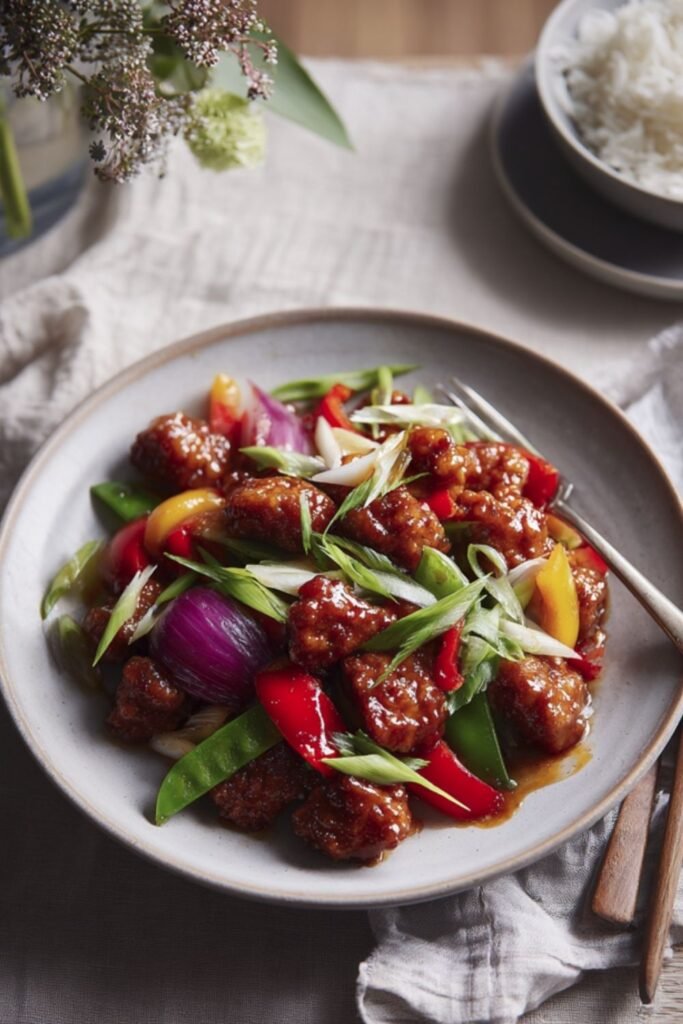
- Preheat your oven to 275°F (140°C). Arrange the ribs in a single layer in a roasting pan, making sure they’re not overlapping. Season both sides generously with salt and pepper, then place the pan in the oven and cook for 1½ hours. This slow roasting makes the meat incredibly tender.
- While the ribs are cooking, prepare the sauce by combining all the sauce ingredients in a small saucepan. Place over low heat and warm gently, stirring occasionally, until everything is well blended and heated through. Set aside until the ribs are ready.
- After the ribs have cooked for 1½ hours, remove them from the oven and spoon the prepared sauce generously over each rib, turning them carefully to ensure every piece is well coated on all sides.
- Increase the oven temperature to 350°F (180°C) and return the sauced ribs to the oven. Cook for an additional 25–30 minutes, basting once or twice during this time, until the sauce caramelizes and forms a sticky, glossy glaze on the meat.
- Remove the ribs from the oven and transfer to a serving platter. Serve hot, garnished with sliced scallions if desired, for a pop of fresh color and flavor against the rich, sticky ribs.
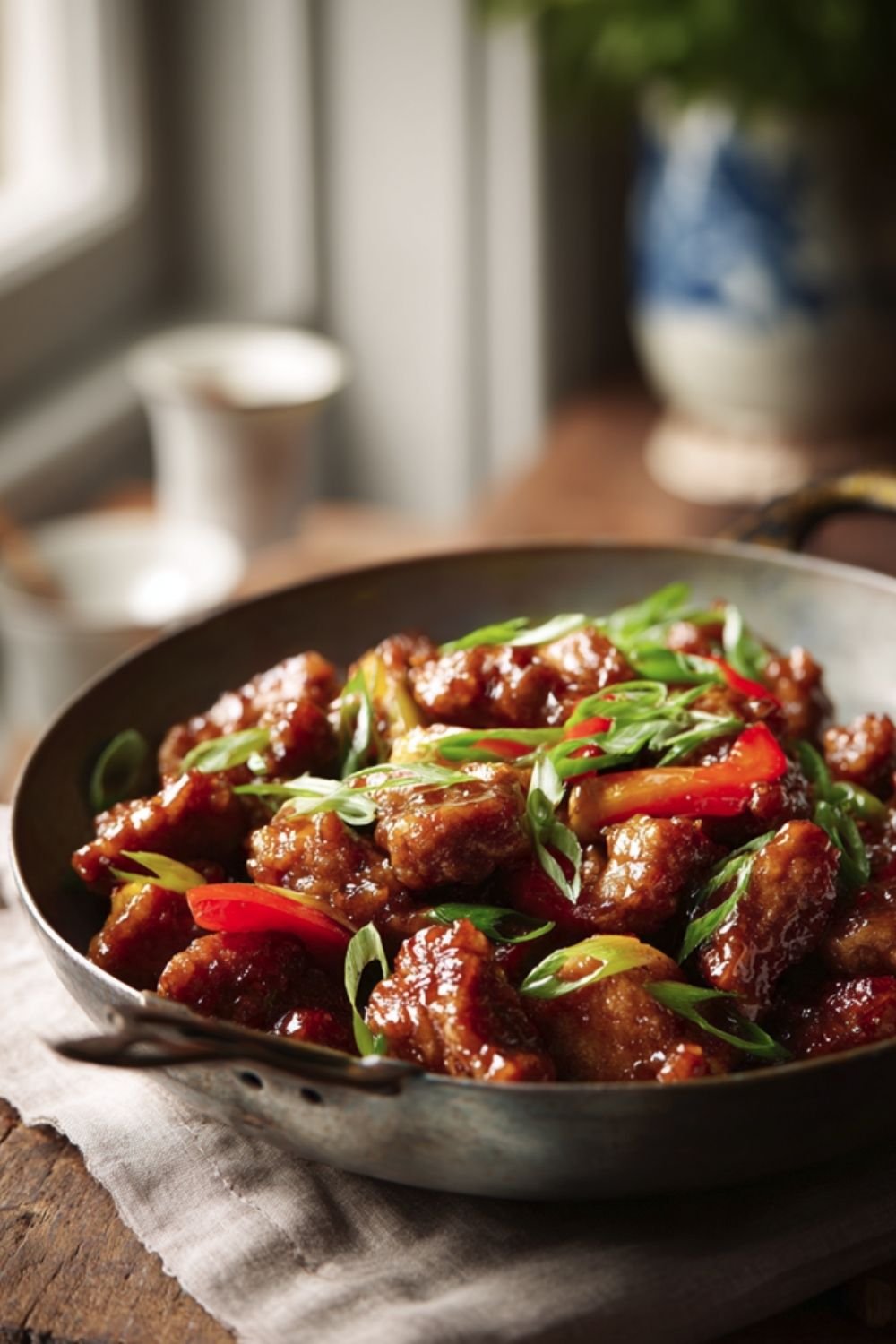
Mary Berry Sweet And Sour Pork
Ingredients
Method
- Preheat your oven to 275°F (140°C). Arrange the ribs in a single layer in a roasting pan, making sure they’re not overlapping. Season both sides generously with salt and pepper, then place the pan in the oven and cook for 1½ hours. This slow roasting makes the meat incredibly tender.
- While the ribs are cooking, prepare the sauce by combining all the sauce ingredients in a small saucepan. Place over low heat and warm gently, stirring occasionally, until everything is well blended and heated through. Set aside until the ribs are ready.
- After the ribs have cooked for 1½ hours, remove them from the oven and spoon the prepared sauce generously over each rib, turning them carefully to ensure every piece is well coated on all sides.
- Increase the oven temperature to 350°F (180°C) and return the sauced ribs to the oven. Cook for an additional 25–30 minutes, basting once or twice during this time, until the sauce caramelizes and forms a sticky, glossy glaze on the meat.
- Remove the ribs from the oven and transfer to a serving platter. Serve hot, garnished with sliced scallions if desired, for a pop of fresh color and flavor against the rich, sticky ribs.
Notes
Does Sweet And Sour Sauce Go With Pork?
Sweet and sour sauce is an excellent pairing with pork, creating a perfectly balanced dish. The sauce’s tangy acidity cuts through the meat’s richness while the sweetness enhances its natural flavors. Pork’s mild taste provides an ideal canvas for bold, complex sauces, making it more versatile than chicken or beef for this preparation. The combination has deep roots in Asian cuisine, particularly Chinese cooking traditions. Pork spareribs, belly, and tenderloin all work beautifully with sweet and sour glazes. The sauce caramelizes during cooking, creating a sticky, flavorful coating that becomes irresistibly tender. Home cooks appreciate this pairing for its simplicity and impressive results. Whether roasted, stir-fried, or braised, sweet and sour pork delivers restaurant-quality flavor with minimal effort. The balance of tastes makes it appealing to diverse palates, making it perfect for family dinners or entertaining guests.Mary Berry Sweet And Sour Pork Substitutions And Variations
Now that you’ve mastered the basic recipe, you’re probably wondering what happens when you tweak it a little, right. I’d suggest swapping the pork spareribs for chicken thighs or beef short ribs if you’re feeling adventurous.
Want to dial back the heat. Cut the soy sauce in half and add a splash of pineapple juice for sweetness. The hoisin sauce can get swapped for oyster sauce if that’s what you’ve got lying around. Don’t have rice wine. Honestly, apple cider vinegar works surprisingly well.
I’m thinking about trying brown sugar instead of granulated sugar next time for deeper flavor. Fresh lime juice brightens everything up beautifully. The sesame oil is totally optional, but it adds that restaurant-quality finish you’re after.
What To Serve With Mary Berry Sweet And Sour Pork
Three things’ll make or break this dish: what you put it on, what you serve alongside it, and honestly, whether you’ve got something to soak up all that delicious sauce. I’d go with steamed white rice as your base—it’s the classic choice for a reason.
The grains catch every drop of that sweet and sour goodness. For sides, I’d add stir-fried vegetables like bell peppers, snap peas, or baby corn to keep things colorful and balanced. Want extra crunch? Toss in some cashews or sliced almonds.
A crisp green salad works too if you’re feeling lighter. The key is pairing something neutral enough not to compete with the main event, yet interesting enough to make your plate sing.
Final Thoughts
When you’ve got all your ingredients prepped and that sauce is simmering on the stove, you’re basically home free with this dish. The beauty of Mary Berry’s recipe lies in its simplicity, really. You’re not wrestling with complicated techniques or obscure ingredients. Just honest flavors coming together in a way that makes your kitchen smell incredible. That ginger-garlic-soy combination? It’s the kind of thing that makes people wonder if you’ve secretly been trained by a professional chef. Here’s the thing though: this dish rewards patience more than precision. Let those ribs braise until they’re tender enough to fall from the bone. The sauce thickens up beautifully as it reduces, clinging to each piece perfectly. Once you nail this one, it’ll become your go-to weeknight victory lap.