 Lucy M.
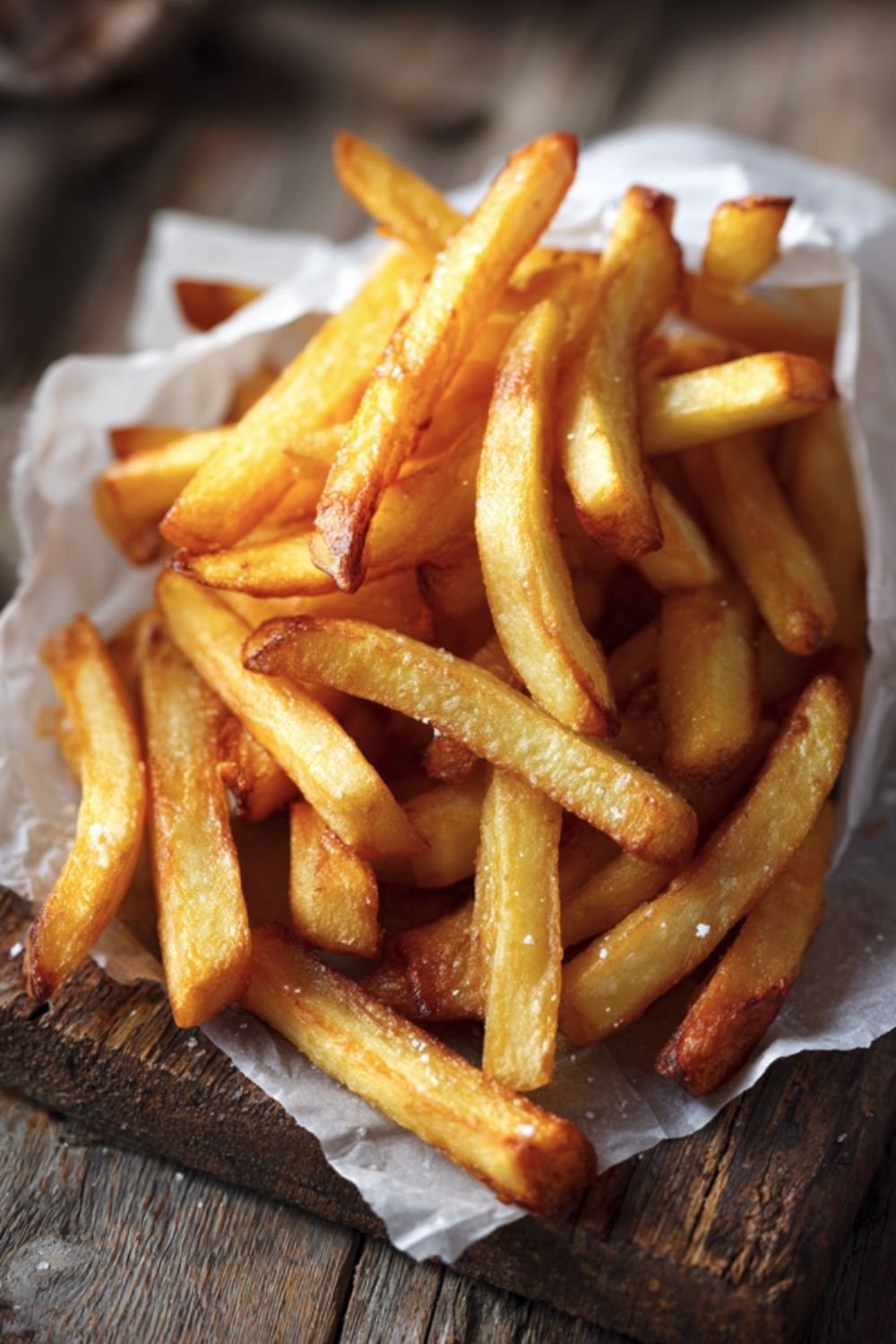
 The first time I made proper steak fries, I was trying to recreate what I’d eaten somewhere good, thinking the secret was some technique I hadn’t learned yet. I soaked the potatoes, dried them carefully, fried them twice like I’d read somewhere. They came out fine but forgettable. Then I watched Mary Berry approach them differently, without fussing or overthinking. She cut them thick and even, fried them once in proper hot oil, seasoned them while still warm. That was it. No soaking, no double frying, just straightforward confidence. I tried her way and understood immediately why simplicity wins.
Now I make steak fries when I want something satisfying with very little effort. I cut potatoes into thick batons, making sure they’re all roughly the same size so they cook evenly. The oil needs to be hot enough that they sizzle immediately when they hit the pan. I don’t crowd the pan or fuss with them constantly. They need space and heat to develop that crispy exterior while the inside stays soft. Halfway through, I turn them over and let the other side brown. Salt goes on while they’re still warm, clinging to the heat and steam rising off them.
They disappear quickly, eaten straight from the paper with fingers, no ceremony needed. There’s something about golden, crispy steak fries that makes people happy without asking much of them. It’s honest food, the kind Mary Berry understands perfectly.
Why You’Ll Love This Mary Berry Steak Fries
If you’ve never tried the two-stage frying method, you’re missing out on what makes these steak fries absolutely irresistible. I’m drawn to this recipe because it delivers the perfect contrast: a fluffy, tender interior with a shatteringly crisp exterior.
Mary Berry’s technique is genius—the first fry at a lower temperature cooks the potato through, while the second fry at higher heat creates that golden-brown crust you crave. Unlike soggy frozen fries, these are genuinely restaurant-quality.
What I appreciate most is the simplicity. You need just potatoes, oil, and salt. No complicated ingredients or obscure techniques. The soaking step removes excess starch, ensuring crispness, while the double-fry method eliminates guesswork.
These fries elevate any meal, from casual weeknight dinners to special gatherings. Once you master this approach, you’ll never settle for ordinary fries again.
For a wholesome and budget-friendly dish that makes the most of seasonal produce, check out our Ratatouille. Slow-cooked to perfection, this rustic vegetable medley is bursting with flavor and pairs beautifully with crusty bread, pasta, or grilled meats.
What Ingredients Are In Mary Berry Steak Fries?
Making Mary Berry’s steak fries requires minimal ingredients, which is part of what makes this recipe so appealing. The focus is on quality potatoes and proper technique rather than a long list of components. Each ingredient plays an essential role in achieving those perfectly crispy fries with a fluffy interior that have made this recipe a favorite among home cooks.
Ingredients:
- 1½ lb (750g) Russet potatoes
- Sunflower oil for deep-frying
- Salt, to taste
The choice of Russet potatoes is important, as their high starch content and dense texture make them ideal for deep-frying. Sunflower oil is preferred for its neutral flavor and high smoke point, making it suitable for the two-stage frying process at varying temperatures. If sunflower oil is unavailable, other neutral oils like vegetable or peanut oil work well as substitutes.
The salt should be added after frying when the fries are hot and dry, allowing it to adhere properly to the surface. Some cooks prefer fleur de sel or sea salt for a more refined finish, though regular table salt works perfectly fine.
How To Make This Mary Berry Steak Fries
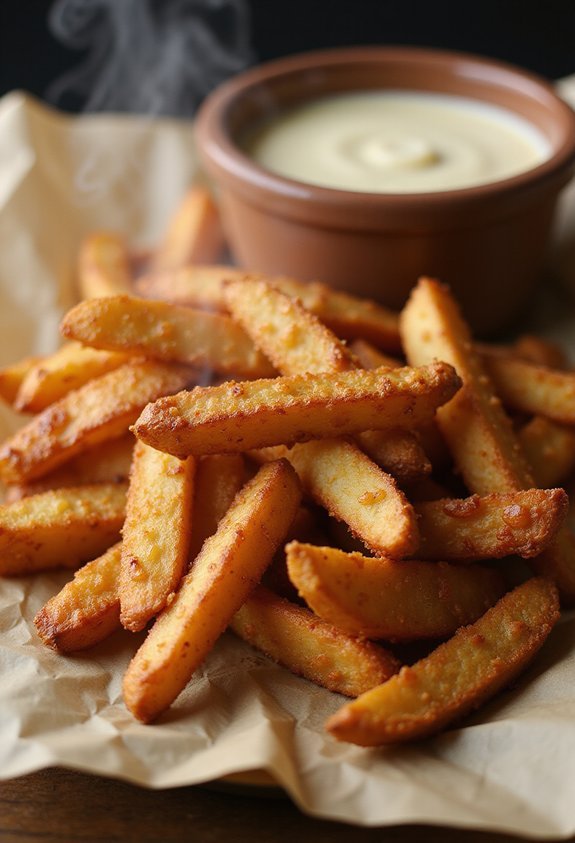
- Begin by preparing your potatoes, which is a pivotal first step. Cut 1½ lb (750g) of Russet potatoes into 2 inch × ½ inch (5cm × 1cm) sticks, ensuring uniformity for even cooking. Place the cut potatoes in a bowl of cold water and soak for 5–10 minutes.
- This soaking process removes excess starch from the surface, which helps achieve that desired crispy exterior. After soaking, thoroughly dry the fries using a clean kitchen towel or paper towels, as any remaining moisture will interfere with the frying process and prevent proper crisping.
- The two-stage frying technique is what sets Mary Berry’s method apart and creates the signature texture of these steak fries. Heat the sunflower oil in a deep fryer to 325°F (170°C).
- Carefully lower the dried fries into the oil in batches if necessary, and deep-fry for 5–6 minutes until they are soft and very pale golden. This first stage cooks the interior of the potatoes while keeping them pale, building the fluffy core. Lift the basket out and increase the oil temperature to 375°F (190°C).
- Once the oil reaches the higher temperature, carefully return the basket of fries to the fryer and deep-fry for a second time for 3–4 minutes until they achieve a crisp and golden brown exterior. This second frying stage is what gives the fries their satisfying crunch.
- Remove the basket and drain the fries thoroughly on paper towels to remove excess oil. Sprinkle generously with salt to taste while the fries are still hot, which allows the seasoning to adhere properly, and serve immediately for the best results.
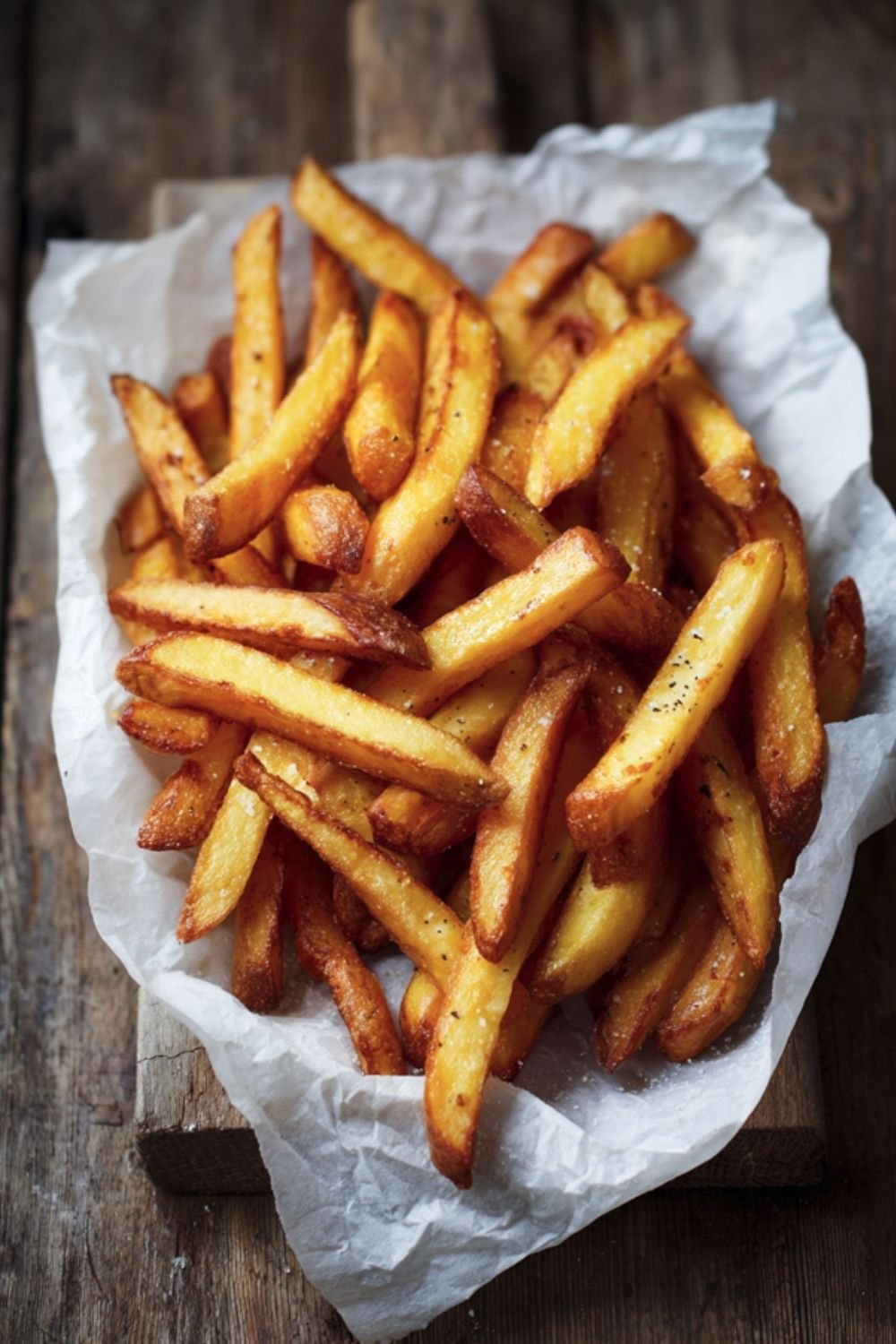
Mary Berry Steak Fries Recipe
Ingredients
Method
- Begin by preparing your potatoes, which is a pivotal first step. Cut 1½ lb (750g) of Russet potatoes into 2 inch × ½ inch (5cm × 1cm) sticks, ensuring uniformity for even cooking. Place the cut potatoes in a bowl of cold water and soak for 5–10 minutes.
- This soaking process removes excess starch from the surface, which helps achieve that desired crispy exterior. After soaking, thoroughly dry the fries using a clean kitchen towel or paper towels, as any remaining moisture will interfere with the frying process and prevent proper crisping.
- The two-stage frying technique is what sets Mary Berry’s method apart and creates the signature texture of these steak fries. Heat the sunflower oil in a deep fryer to 325°F (170°C).
- Carefully lower the dried fries into the oil in batches if necessary, and deep-fry for 5–6 minutes until they are soft and very pale golden. This first stage cooks the interior of the potatoes while keeping them pale, building the fluffy core. Lift the basket out and increase the oil temperature to 375°F (190°C).
- Once the oil reaches the higher temperature, carefully return the basket of fries to the fryer and deep-fry for a second time for 3–4 minutes until they achieve a crisp and golden brown exterior. This second frying stage is what gives the fries their satisfying crunch.
- Remove the basket and drain the fries thoroughly on paper towels to remove excess oil. Sprinkle generously with salt to taste while the fries are still hot, which allows the seasoning to adhere properly, and serve immediately for the best results.
Notes
Mary Berry Steak Fries Substitutions And Variations
While Mary Berry’s classic recipe delivers exceptional results, you can easily adapt it to suit your preferences and dietary needs. If you’re avoiding traditional oil, try cooking spray or vegetable oil as substitutes. For a healthier twist, I’d recommend air-frying your steak fries at 375°F, though you’ll sacrifice some of that signature crispiness. You can experiment with different potato varieties—waxy potatoes like Yukon Gold create fluffier interiors, while sweet potatoes offer a nutritious alternative with natural sweetness. Consider seasoning variations too: I often sprinkle garlic powder, paprika, or cajun spices instead of plain salt. For a gourmet touch, try truffle oil or parmesan cheese. These modifications let you personalize Mary Berry’s technique while maintaining her proven two-stage frying method.Mary Berry Steak Fries Substitutions And Variations
While Mary Berry’s classic recipe delivers exceptional results, you can easily adapt it to suit your preferences and dietary needs. If you’re avoiding traditional oil, try cooking spray or vegetable oil as substitutes.
For a healthier twist, I’d recommend air-frying your steak fries at 375°F, though you’ll sacrifice some of that signature crispiness. You can experiment with different potato varieties—waxy potatoes like Yukon Gold create fluffier interiors, while sweet potatoes offer a nutritious alternative with natural sweetness.
Consider seasoning variations too: I often sprinkle garlic powder, paprika, or cajun spices instead of plain salt. For a gourmet touch, try truffle oil or parmesan cheese. These modifications let you personalize Mary Berry’s technique while maintaining her proven two-stage frying method.
What To Serve With Mary Berry Steak Fries
These crispy, golden fries deserve equally impressive accompaniments that’ll elevate your meal. I’d recommend classic burger pairings like juicy steaks, grilled chicken, or quality burgers. The fries’ robust texture complements hearty proteins beautifully.
For lighter options, consider pairing them with fish and chips-style meals or grilled salmon. I find that creamy coleslaw provides a rejuvenating contrast to the fries’ richness, while tangy vinegar-based sauces cut through the oil perfectly.
Don’t overlook simple condiments either. A quality aioli, garlic mayo, or peppercorn sauce transforms your fries into something special. Melted cheese and crispy bacon create an indulgent side dish that stands alone.
Ultimately, these fries work with virtually any casual meal where you’d serve traditional potatoes, so trust your instincts and enjoy.
Final Thoughts
Mary Berry’s steak fries aren’t just a side dish—they’re a culinary statement that’ll elevate any meal you serve them with. I’ve found that mastering this two-stage frying technique transforms ordinary potatoes into something extraordinary. The initial low-temperature cook softens the interior while the second high-heat blast creates that coveted crispy exterior. What impresses me most is how straightforward the process is—you don’t need fancy ingredients or complicated steps. The soaking removes excess starch, ensuring ideal texture. Whether you’re hosting a dinner party or satisfying a weeknight craving, these fries deliver restaurant-quality results at home. Once you’ve perfected this recipe, you’ll understand why it’s become a timeless classic. They’re worth every bit of effort.