 Lucy M.
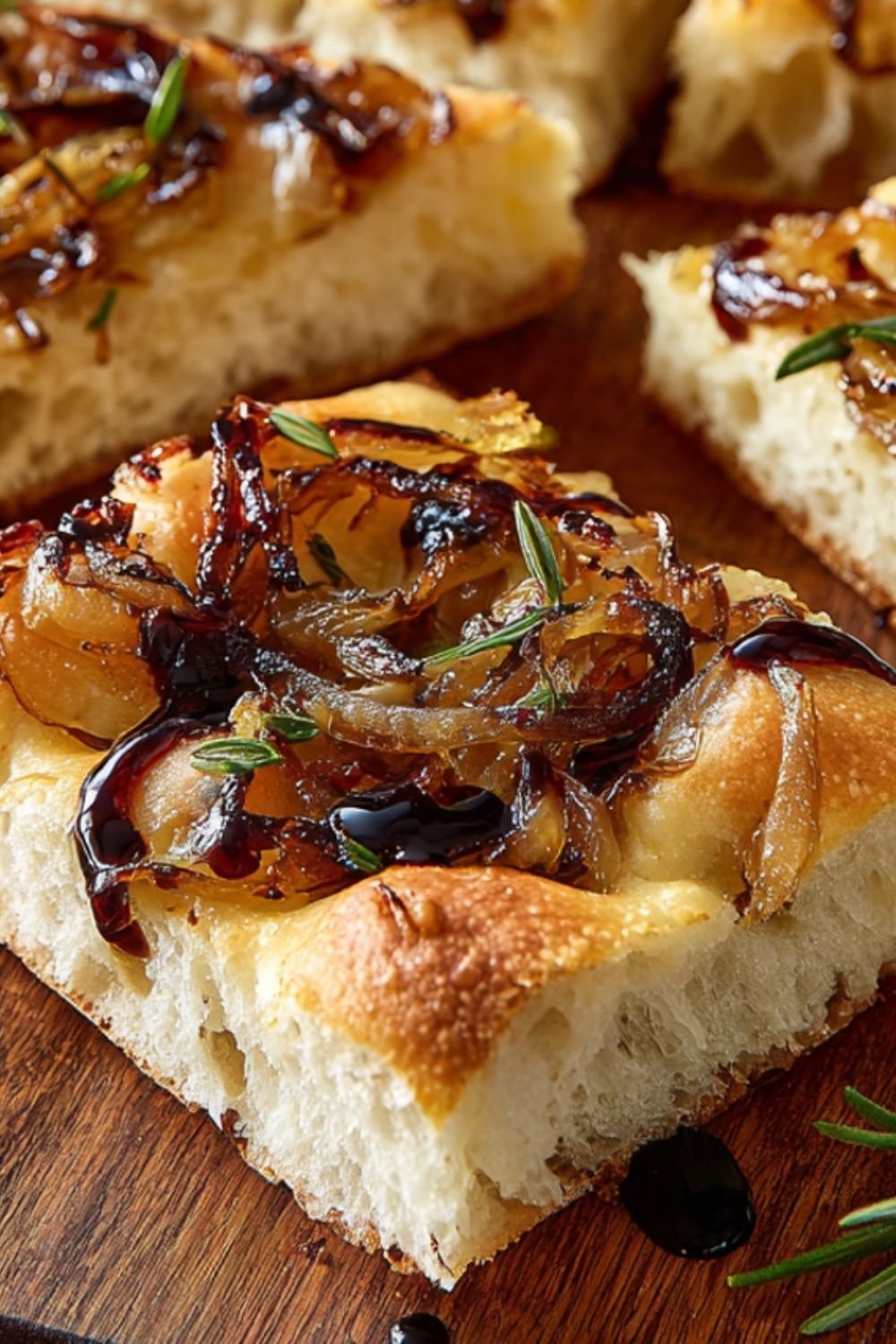
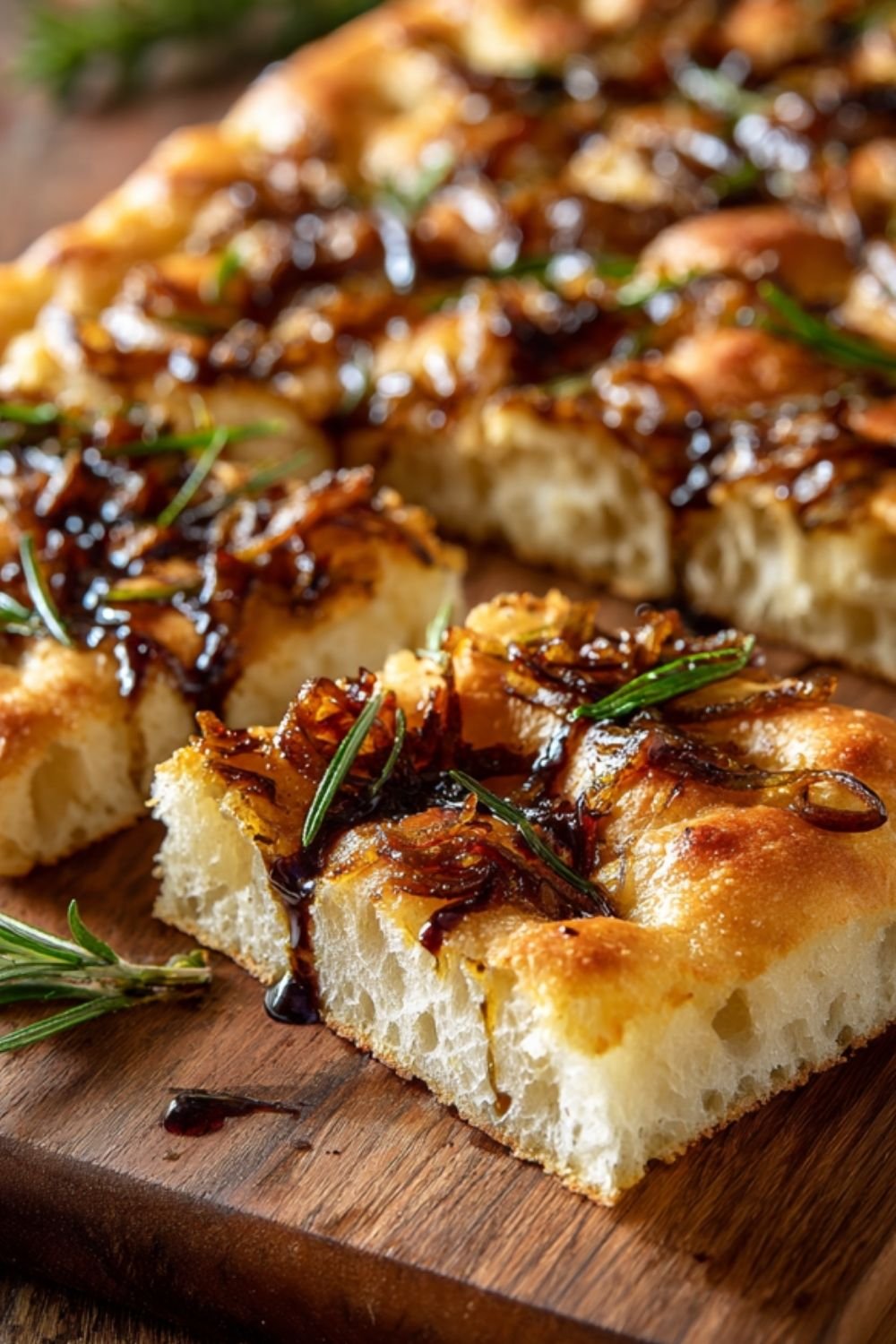
 Picture pulling apart a piece of golden focaccia with onion and balsamic topping, the crispy edges giving way to a cloud-like interior that’s both airy and satisfying. The caramelized onions glisten on top, their sweet depths enhanced by tangy balsamic vinegar that creates little pockets of flavor in every bite.
Your fingers meet the olive oil slicked surface, still warm from the oven, releasing an aroma that fills your kitchen with comfort. Each mouthful of this focaccia with onion and balsamic topping delivers that perfect contrast of textures, from the crunchy crust to the pillowy soft bread within. This Italian flatbread transforms an ordinary moment into something you’ll want to savor slowly and remember fondly.
Why You’Ll Love This Focaccia With Onion And Balsamic Topping
This focaccia hits that perfect sweet spot between impressive-looking and genuinely easy to make, which is exactly the kind of recipe I need in my life. The balsamic onions transform into this jammy, caramelized situation that’ll make people think you’re way fancier than you actually are.
I’m talking about deep, sweet flavors that balance beautifully against that pillowy, olive oil-soaked bread. It’s the kind of thing you can serve at a dinner party or just tear into while standing at your kitchen counter, no judgment. Both scenarios are equally valid.
What Ingredients Are In Focaccia With Onion And Balsamic Topping?
The ingredient list for this focaccia is refreshingly straightforward, with most items you probably already have lurking in your pantry. The bread itself relies on a classic combination of bread flour and semolina, which gives you that perfect chewy texture with just a hint of golden color. The real magic happens with the topping, where simple onions get the balsamic treatment and suddenly become something special.
For the focaccia dough:
- 3 cups + 3 tbsps (400g) bread flour
- ⅔ cup (115g) semolina
- 4 tbsps olive oil
- 1 tsp salt
- 1 × ¼-ounce (7g) fast-acting dried yeast
- 1¼ cups (300ml) inviting water
For the onion and balsamic topping:
- 1 tbsp olive oil
- 2 large onions, sliced
- 1½ tsps balsamic vinegar
- 1 tsp sugar
- 1 tsp fresh thyme leaves
- salt and freshly ground black pepper
To finish:
– sea salt, for sprinkling
The semolina is worth tracking down if you don’t have it on hand—it adds a subtle sweetness and gives the bread that gorgeous golden hue you see in traditional Italian focaccia. If you’re really in a pinch, you could substitute with more bread flour, but you’ll lose some of that characteristic texture and color. The fast-acting yeast is key for keeping this recipe quick and fuss-free, though active dry yeast will work if you proof it first. Don’t skimp on the finishing sea salt; those flaky crystals on top are non-negotiable for proper focaccia vibes.
Love homemade bread? Our Chicken Pot Pie is the perfect comforting main course to serve with it.
How To Make This Focaccia With Onion And Balsamic Topping
- Begin by preparing the dough with 3 cups + 3 tbsps (400g) bread flour, ⅔ cup (115g) semolina, 4 tbsps olive oil, 1 tsp salt, 1 × ¼-ounce (7g) fast-acting dried yeast, and 1¼ cups (300ml) warm water.
- Mix all ingredients together to form a sticky dough, then knead on a floured surface for 4–5 minutes until the dough becomes smooth and elastic.
- Transfer the dough to an oiled bowl, cover tightly with plastic wrap, and allow it to rise for 1–1½ hours until it has doubled in size. This resting period is indispensable for developing flavor and texture.
- While the dough rises, prepare the topping by heating 1 tbsp olive oil in a pan and adding 2 large onions, sliced.
- Cover and cook over low heat for about 20 minutes until the onions become completely soft and tender. Uncover the pan, increase the heat, and cook until any excess moisture evaporates and the onions turn golden brown. Stir in 1½ tsps balsamic vinegar, 1 tsp sugar, and 1 tsp fresh thyme leaves, then season with salt and freshly ground black pepper to taste. Allow the topping to cool completely before assembling the focaccia.
- Once the dough has finished rising, punch it down and knead for a few minutes to release excess gas.
- Roll the dough into a 16 × 11-inch rectangle and transfer it to a parchment-lined baking sheet. Spread the cooled onion and balsamic mixture evenly over the dough surface, then sprinkle with sea salt to finish. Follow your specific oven instructions for the final baking time and temperature to achieve a golden, crispy crust.
Focaccia With Onion And Balsamic Topping
Ingredients
Method
- Begin by preparing the dough with 3 cups + 3 tbsps (400g) bread flour, ⅔ cup (115g) semolina, 4 tbsps olive oil, 1 tsp salt, 1 × ¼-ounce (7g) fast-acting dried yeast, and 1¼ cups (300ml) warm water.
- Mix all ingredients together to form a sticky dough, then knead on a floured surface for 4–5 minutes until the dough becomes smooth and elastic.
- Transfer the dough to an oiled bowl, cover tightly with plastic wrap, and allow it to rise for 1–1½ hours until it has doubled in size. This resting period is indispensable for developing flavor and texture.
- While the dough rises, prepare the topping by heating 1 tbsp olive oil in a pan and adding 2 large onions, sliced.
- Cover and cook over low heat for about 20 minutes until the onions become completely soft and tender. Uncover the pan, increase the heat, and cook until any excess moisture evaporates and the onions turn golden brown. Stir in 1½ tsps balsamic vinegar, 1 tsp sugar, and 1 tsp fresh thyme leaves, then season with salt and freshly ground black pepper to taste. Allow the topping to cool completely before assembling the focaccia.
- Once the dough has finished rising, punch it down and knead for a few minutes to release excess gas.
- Roll the dough into a 16 × 11-inch rectangle and transfer it to a parchment-lined baking sheet. Spread the cooled onion and balsamic mixture evenly over the dough surface, then sprinkle with sea salt to finish. Follow your specific oven instructions for the final baking time and temperature to achieve a golden, crispy crust.
Notes
What Is The Best Topping For Focaccia?
Focaccia with onion and balsamic topping ranks among the most popular and flavorful choices for this Italian flatbread. Caramelized onions become sweet and jammy when roasted on focaccia, while balsamic vinegar adds a rich, tangy complexity that perfectly balances the bread’s olive oil richness. This classic combination creates an irresistible savory focaccia that works beautifully as an appetizer or side dish. The beauty of focaccia with onion lies in its simplicity and versatility. Thinly sliced red or white onions soften and caramelize during baking, creating pockets of intense flavor. Drizzling balsamic vinegar before or after baking adds depth and a glossy finish to your balsamic focaccia. Fresh rosemary sprigs complement the onions perfectly, while flaky sea salt enhances every flavor element. Other excellent toppings for focaccia include cherry tomatoes with basil, olives with garlic, or simply sea salt with herbs. However, focaccia with onion and balsamic topping remains a crowd-pleaser because it delivers restaurant-quality flavor with minimal ingredients. The key is using quality extra virgin olive oil, allowing proper dimpling for the toppings to nestle into, and not overloading the dough, which can make it soggy rather than beautifully crisp underneath.Focaccia With Onion And Balsamic Topping Substitutions And Variations
Making a focaccia shouldn’t feel like you’re locked into some rigid recipe where one missing ingredient derails your entire baking plan. I say swap the semolina for more bread flour if that’s what you’ve got. No balsamic vinegar? Red wine vinegar works, though you’ll lose that sweet depth. Want different toppings? Caramelized shallots, roasted garlic, or sautéed mushrooms all play nicely here. I’d even throw rosemary on top instead of thyme. You can use honey instead of sugar for the onions, and regular olive oil beats no olive oil every time.
What Is The Best Topping For Focaccia?
Focaccia with onion and balsamic topping ranks among the most popular and flavorful choices for this Italian flatbread. Caramelized onions become sweet and jammy when roasted on focaccia, while balsamic vinegar adds a rich, tangy complexity that perfectly balances the bread’s olive oil richness. This classic combination creates an irresistible savory focaccia that works beautifully as an appetizer or side dish.
The beauty of focaccia with onion lies in its simplicity and versatility. Thinly sliced red or white onions soften and caramelize during baking, creating pockets of intense flavor. Drizzling balsamic vinegar before or after baking adds depth and a glossy finish to your balsamic focaccia. Fresh rosemary sprigs complement the onions perfectly, while flaky sea salt enhances every flavor element.
Other excellent toppings for focaccia include cherry tomatoes with basil, olives with garlic, or simply sea salt with herbs. However, focaccia with onion and balsamic topping remains a crowd-pleaser because it delivers restaurant-quality flavor with minimal ingredients. The key is using quality extra virgin olive oil, allowing proper dimpling for the toppings to nestle into, and not overloading the dough, which can make it soggy rather than beautifully crisp underneath.
What To Serve With Focaccia With Onion And Balsamic Topping
Every good focaccia deserves company, and this balsamic onion version practically begs for something to balance its sweet, savory richness. I love pairing it with a simple arugula salad dressed in lemon and olive oil—the peppery bite cuts through beautifully. It’s also perfect alongside minestrone or tomato soup, because dunking bread into hot soup is basically a universal love language. Want to get fancy? Serve it with burrata, prosciutto, and fresh figs for an appetizer spread that’ll make you look like you actually know what you’re doing in the kitchen, even if you don’t.
Final Thoughts
Honestly, this focaccia is one of those recipes that makes you feel like a proper baker without requiring you to sell your soul to the sourdough gods. The caramelized onions bring that sweet-savory depth, the balsamic adds tang, and that dimpled, olive-oil-slicked crust? Pure magic. I’m telling you, once you nail the technique—which isn’t hard, just needs a bit of patience—you’ll want to make this constantly. It’s impressive enough for dinner parties but easy enough for a random Tuesday. Plus, your kitchen will smell absolutely incredible. Worth every single carb.