
 Lucy M.
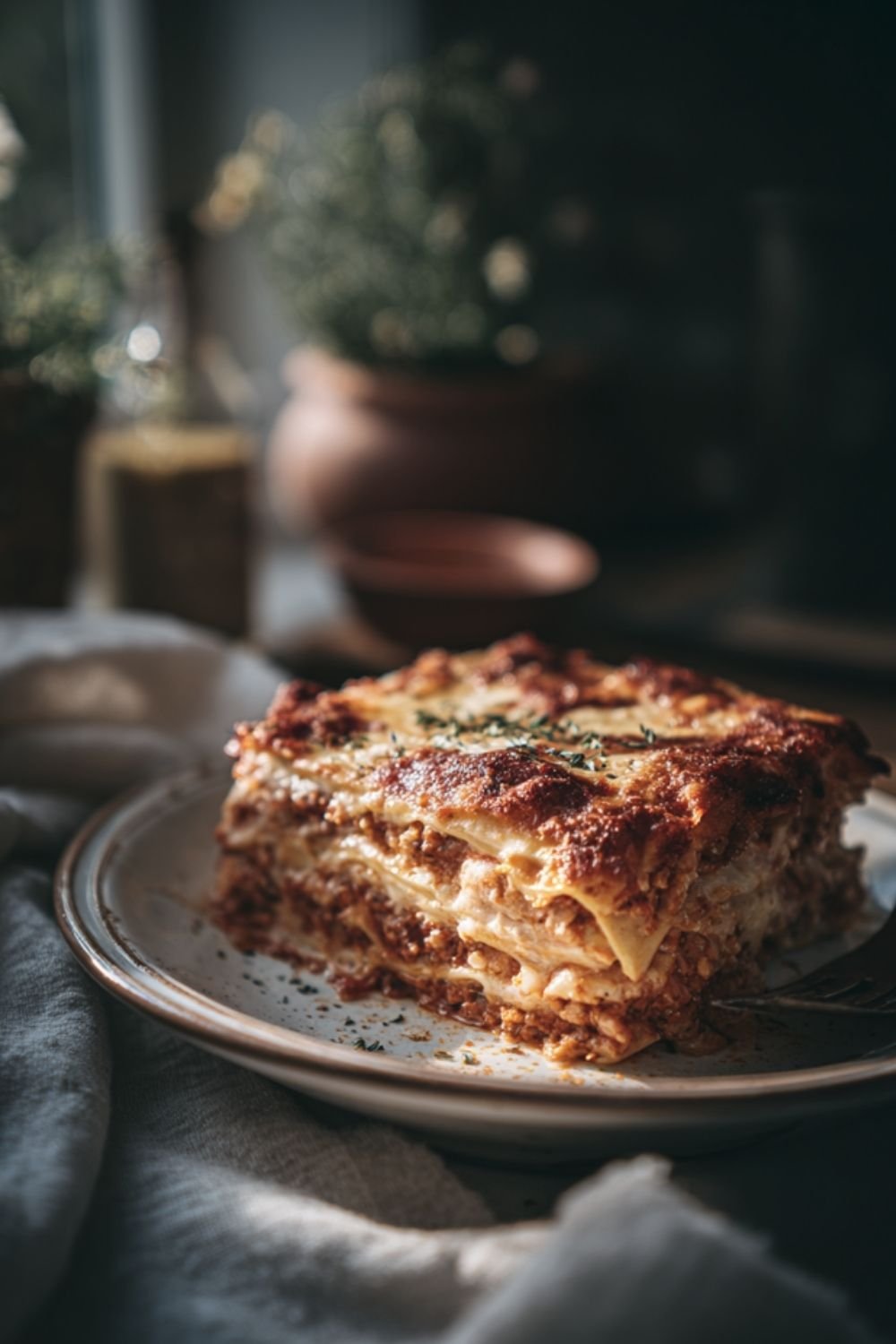
 Looking for a lasagna recipe that delivers deep, complex flavors and impressive results? Mary Berry’s lasagna solves that challenge perfectly. This classic features a richly flavored ground beef sauce simmered for a full hour to develop authentic taste, paired with a silky white sauce enriched with mustard and nutmeg. The careful layering technique ensures every bite contains perfectly balanced flavors and textures. Master this recipe and you’ll have a foolproof dish that impresses consistently.
Why You’Ll Love This Mary Berry Lasagna
What’s not to love about a lasagna that combines two sauces instead of one? You’re getting layers of rich, savory meat sauce alongside a creamy, dreamy white sauce that’s just luxurious. I mean, why settle for one delicious thing when you can have two, right?
The beauty here is how these sauces complement each other perfectly. That meat sauce brings bold, umami-packed flavor with tomatoes and beef stock, while the white sauce adds smooth, buttery richness with a hint of Dijon mustard and nutmeg. Together, they transform simple ingredients into something genuinely comforting.
Plus, Mary’s approach keeps things manageable. The no-boil lasagna noodles save time, and the cheese blend—both Cheddar and Parmesan—creates that golden, melty top we all crave.
Love the rich, meaty layers in this lasagna? Mary Berry’s Beef Stroganoff brings similar comfort with succulent beef strips in velvety sauce. It’s perfect when you’re craving Italian-style comfort but want something quicker.
What Ingredients Are In Mary Berry Lasagna?
Mary Berry’s lasagna recipe requires three distinct component groups: a savory meat sauce, a creamy white sauce, and the lasagna assembly itself. Each component uses straightforward pantry staples and quality proteins that work together to create layers of complex, satisfying flavor. The ingredient list is organized by sauce and assembly to make shopping and preparation easier.
Ingredients
For the Meat Sauce:
- 2 tbsp olive oil
- 2 lb (1 kg) ground beef
- ⅓ cup all-purpose flour
- 1¼ cups beef stock
- 1 × 14 oz (400 g) can chopped tomatoes
- 6 celery stalks, sliced
- 2 onions, chopped
- 2 large garlic cloves, crushed
- ¼ cup tomato paste
- 1 tsp sugar
- Salt and black pepper to taste
For the White Sauce:
- 4 tbsp butter
- ⅓ cup all-purpose flour
- 2½ cups milk
- 1 tsp Dijon mustard
- ¼ tsp grated nutmeg
For the Lasagna Assembly:
- 4 oz (125 g) grated aged Cheddar cheese
- 1 oz (30 g) grated Parmesan cheese
- 6 oz (175 g) no-boil lasagna noodles
- Chopped parsley for garnish
Most of these ingredients are standard items found in well-stocked kitchens. The aged Cheddar and Parmesan cheeses are key to achieving depth of flavor and a golden, melted top layer. Using no-boil lasagna noodles substantially reduces cooking time without compromising texture or taste, making this recipe more accessible for weeknight dinners.
How To Make This Mary Berry Lasagna
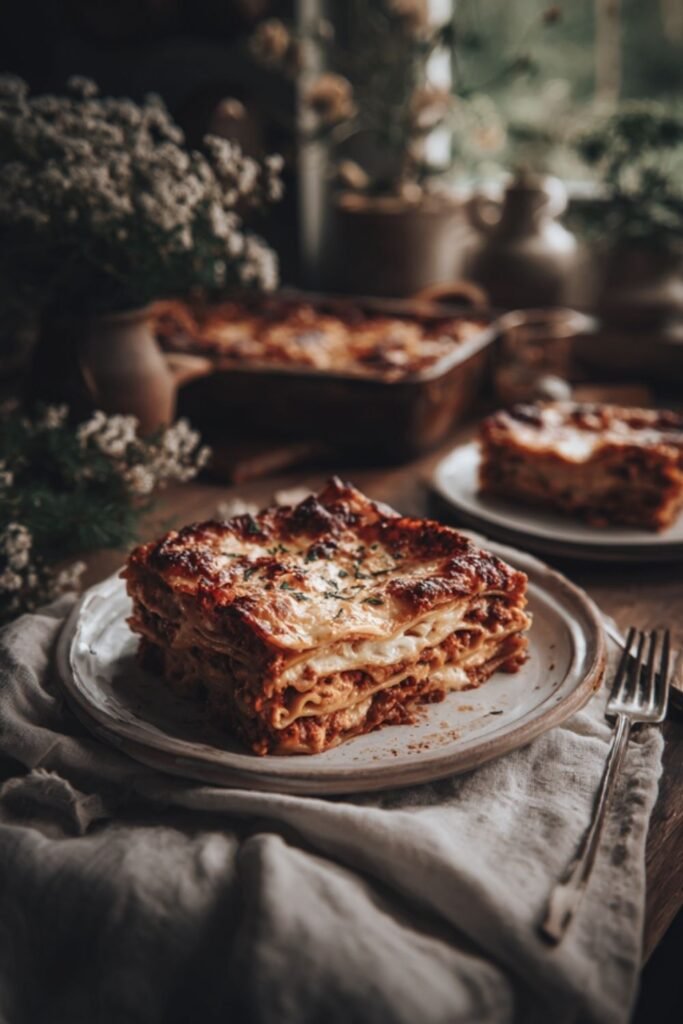
- Preheat the oven to 375°F (190°C). Begin making the meat sauce: heat the oil in a saucepan over medium-high heat, add the ground beef, and cook, stirring frequently and breaking up any lumps, until the meat is evenly browned all over.
- Sprinkle the flour over the browned meat and stir continuously for 1 minute to cook out the raw flour taste. Then add the stock, tomatoes, celery, onions, garlic, tomato paste, and sugar, stirring everything together well.
- Season the sauce generously with salt and pepper, then bring it to a boil. Once boiling, reduce the heat, cover the pan, and let it simmer gently for 1 hour, stirring occasionally, until the sauce is rich and thickened.
- While the meat sauce simmers, prepare the white sauce: melt the butter in a separate saucepan over medium heat. Sprinkle in the flour and cook, stirring constantly, for 1 minute to create a smooth roux.
- Remove the pan from the heat and gradually blend in the milk, whisking continuously to prevent lumps from forming. Return to the heat and bring to a gentle boil, stirring constantly until the sauce thickens to a creamy consistency.
- Let the white sauce simmer for 2–3 minutes to cook through fully. Stir in the mustard and a pinch of nutmeg, then season with salt and pepper to taste.
- To assemble the lasagna, spoon one-third of the meat sauce into the bottom of a large shallow ovenproof dish, spreading it out evenly. Pour one-third of the white sauce over the meat sauce, then sprinkle with one-third of the combined Cheddar and Parmesan cheeses.
- Arrange half of the lasagna sheets in a single layer over the cheese, breaking them if necessary to fit the dish. Repeat the layering process once more with another third of each sauce and cheese, then top with the remaining lasagna sheets.
- Finish by topping with the final third of both sauces and the remaining Cheddar and Parmesan cheeses, spreading everything evenly to the edges.
- Place the dish in the preheated oven and bake for 45–60 minutes until the pasta is completely tender when pierced with a knife and the topping has turned a beautiful golden brown color. Let it rest for 5 minutes, then serve hot, garnished with a sprinkle of fresh chopped parsley.
Mary Berry Lasagna Recipe
Ingredients
Method
- Preheat the oven to 375°F (190°C). Begin making the meat sauce: heat the oil in a saucepan over medium-high heat, add the ground beef, and cook, stirring frequently and breaking up any lumps, until the meat is evenly browned all over.
- Sprinkle the flour over the browned meat and stir continuously for 1 minute to cook out the raw flour taste. Then add the stock, tomatoes, celery, onions, garlic, tomato paste, and sugar, stirring everything together well.
- Season the sauce generously with salt and pepper, then bring it to a boil. Once boiling, reduce the heat, cover the pan, and let it simmer gently for 1 hour, stirring occasionally, until the sauce is rich and thickened.
- While the meat sauce simmers, prepare the white sauce: melt the butter in a separate saucepan over medium heat. Sprinkle in the flour and cook, stirring constantly, for 1 minute to create a smooth roux.
- Remove the pan from the heat and gradually blend in the milk, whisking continuously to prevent lumps from forming. Return to the heat and bring to a gentle boil, stirring constantly until the sauce thickens to a creamy consistency.
- Let the white sauce simmer for 2–3 minutes to cook through fully. Stir in the mustard and a pinch of nutmeg, then season with salt and pepper to taste.
- To assemble the lasagna, spoon one-third of the meat sauce into the bottom of a large shallow ovenproof dish, spreading it out evenly. Pour one-third of the white sauce over the meat sauce, then sprinkle with one-third of the combined Cheddar and Parmesan cheeses.
- Arrange half of the lasagna sheets in a single layer over the cheese, breaking them if necessary to fit the dish. Repeat the layering process once more with another third of each sauce and cheese, then top with the remaining lasagna sheets.
- Finish by topping with the final third of both sauces and the remaining Cheddar and Parmesan cheeses, spreading everything evenly to the edges.
- Place the dish in the preheated oven and bake for 45–60 minutes until the pasta is completely tender when pierced with a knife and the topping has turned a beautiful golden brown color. Let it rest for 5 minutes, then serve hot, garnished with a sprinkle of fresh chopped parsley.
Notes
What Are Common Lasagne Mistakes?
The most common lasagne mistake is using too much sauce, which creates a watery, soggy dish rather than distinct layers. The meat and white sauces should coat the pasta generously but not pool excessively. Another frequent error is undercooking the meat sauce, resulting in bland flavors and tough ground beef. Allow adequate simmering time for flavors to develop and meat to become tender. Using boiling lasagna sheets when no-boil varieties are called for creates mushy pasta that falls apart during serving. Many cooks fail to make their white sauce correctly, resulting in lumpy, separated mixtures. The key is gradually blending milk into the roux off the heat, then returning to the stove and stirring constantly as it heats. Skipping seasoning or under-seasoning creates flat, uninspired flavors throughout the dish. Taste sauces carefully and season generously with salt, pepper, mustard, and nutmeg. Insufficient layering or uneven distribution of sauce means some portions are dry while others are soupy. Overbaking lasagne until the edges char or the top becomes too dark results in tough, dried-out pasta and burnt cheese. Cover with foil if the top browns too quickly before the interior finishes cooking. Cutting into lasagne immediately after baking causes it to fall apart and lose shape. Allow the dish to rest for 10-15 minutes, which lets layers set and makes serving cleaner. These simple adjustments transform good lasagne into exceptional results.What Are Common Lasagne Mistakes?
The most common lasagne mistake is using too much sauce, which creates a watery, soggy dish rather than distinct layers. The meat and white sauces should coat the pasta generously but not pool excessively. Another frequent error is undercooking the meat sauce, resulting in bland flavors and tough ground beef. Allow adequate simmering time for flavors to develop and meat to become tender. Using boiling lasagna sheets when no-boil varieties are called for creates mushy pasta that falls apart during serving.
Many cooks fail to make their white sauce correctly, resulting in lumpy, separated mixtures. The key is gradually blending milk into the roux off the heat, then returning to the stove and stirring constantly as it heats. Skipping seasoning or under-seasoning creates flat, uninspired flavors throughout the dish. Taste sauces carefully and season generously with salt, pepper, mustard, and nutmeg. Insufficient layering or uneven distribution of sauce means some portions are dry while others are soupy.
Overbaking lasagne until the edges char or the top becomes too dark results in tough, dried-out pasta and burnt cheese. Cover with foil if the top browns too quickly before the interior finishes cooking. Cutting into lasagne immediately after baking causes it to fall apart and lose shape. Allow the dish to rest for 10-15 minutes, which lets layers set and makes serving cleaner. These simple adjustments transform good lasagne into exceptional results.
Mary Berry Lasagna Substitutions And Variations
Once you’ve mastered the classic version, you’ll probably start wondering what happens if you swap things around, and honestly, that’s where the fun begins. I’d recommend trying ground lamb or pork instead of beef for a different flavor profile.
Not a fan of Cheddar? Mozzarella works beautifully. You could skip the Dijon mustard and add a pinch of oregano to the white sauce instead. Some people swap beef stock for chicken stock, which lightens things up.
If you’re feeling adventurous, try mixing in some spinach or mushrooms to the meat sauce. Want extra richness? Add a splash of red wine to that beef mixture. The beauty of lasagna is its flexibility, so don’t be afraid to make it yours.
What To Serve With Mary Berry Lasagna
Since lasagna’s a pretty hearty, rich dish on its own, you’ll want to think strategically about what goes alongside it. A crisp green salad works beautifully—just toss some lettuce with a sharp vinaigrette to cut through all that creamy cheese sauce.
Garlic bread pairs nicely too, though honestly, you’re already getting plenty of carbs from the pasta itself. I’d suggest keeping sides light and fresh. Roasted vegetables like broccoli or zucchini add nutrition without weighing you down further.
A simple arugula salad with lemon dressing feels sophisticated and balanced. Consider serving with crusty bread for soaking up extra sauce, and maybe some steamed green beans on the side. These choices complement rather than compete with your main dish.
Final Thoughts
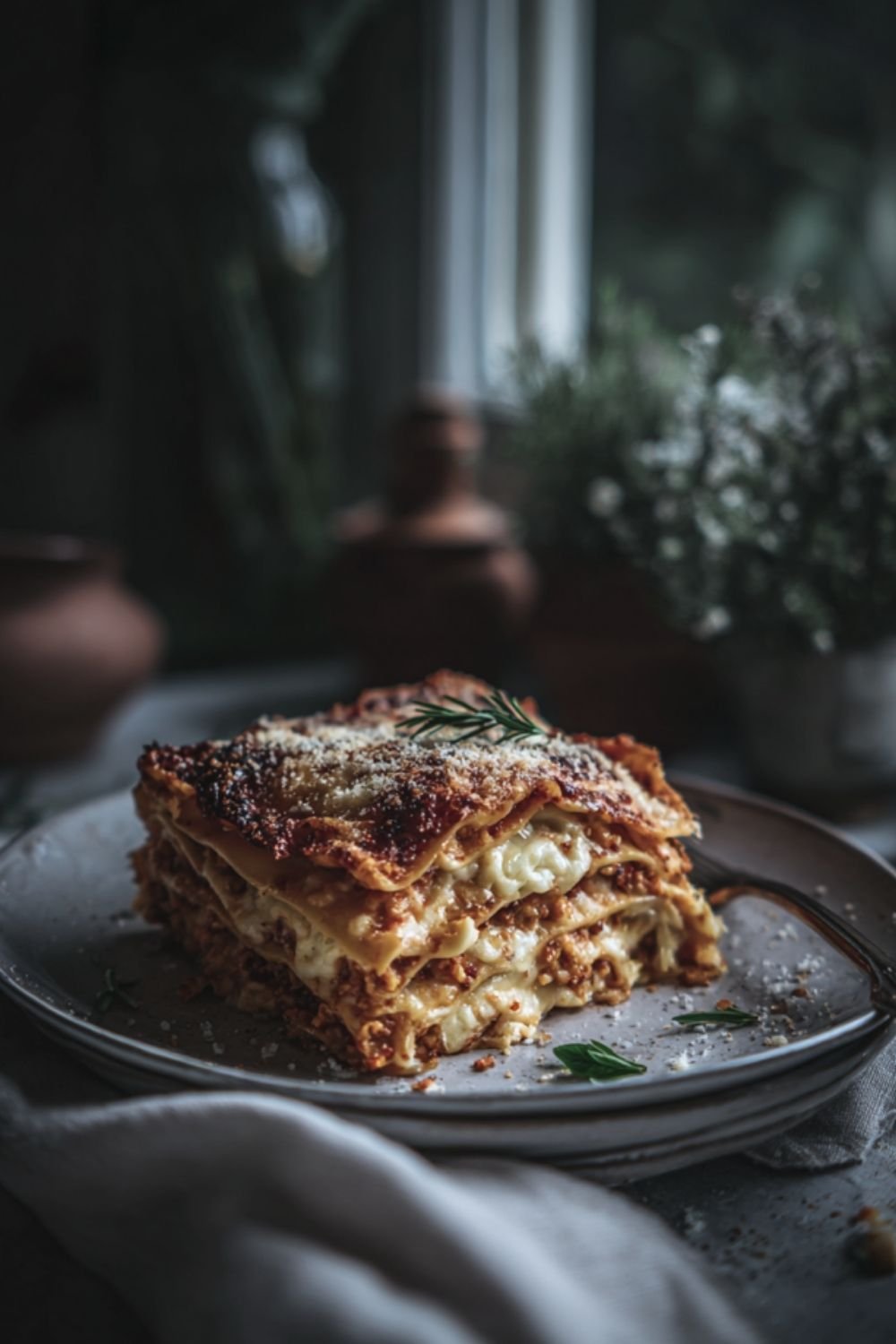
Through the layers of rich meat sauce, creamy white sauce, and melted cheese, Mary Berry’s lasagna delivers exactly what comfort food should: something that fills you up and makes you feel genuinely satisfied. I’d argue this dish proves that the best meals don’t require fancy techniques or obscure ingredients. You’re working with pantry staples and straightforward steps, which means anyone can pull this off. The beauty lies in how those simple components transform into something restaurant-quality. Whether you’re feeding your family on a Tuesday night or impressing guests at dinner, this lasagna checks every box. It’s forgiving, adaptable, and absolutely delicious. Once you make it, I think you’ll understand why Mary Berry’s version has become such a beloved classic.