
 Lucy M.
 Craving a homemade veggie burger that actually tastes amazing and holds together perfectly? Mary Berry’s Veggie Burgers deliver on both counts, transforming fresh vegetables and wholesome ingredients into patties that rival any restaurant version. These aren’t sad, mushy imitations of meat burgers—they’re flavorful, satisfying creations that stand proudly on their own merits.
Packed with vegetables, beans, and aromatic seasonings, each burger offers incredible texture and taste that even devoted meat-eaters will love. Mary Berry’s trusted technique ensures the patties stay intact during cooking, achieving that perfect crispy exterior while remaining tender inside.
Whether you’re vegetarian, looking to eat more plant-based meals, or simply want a delicious burger alternative, this recipe makes it easy. Serve in toasted buns with your favorite toppings for a wholesome meal the whole family will request again and again.
Why You’Ll Love This Mary Berry Veggie Burgers
There’s something genuinely satisfying about biting into a homemade veggie burger that actually tastes like food—not some sad, bland patty that makes you question your life choices. I’d argue Mary Berry’s version hits different because it doesn’t pretend to be something it’s not.
The cremini mushrooms bring serious umami depth, while that jalapeño sneaks in just enough heat to keep things interesting. You’re getting actual texture from the beans, not some mushy disappointment. Plus, you control what goes into it, which means no mystery ingredients hiding in the ingredient list.
The dressed lettuce situation with Dijon mustard and mayo? That’s the cherry on top. These burgers prove vegetarian eating doesn’t mean settling. They’re genuinely craveable.
Balance your meal rotation with this delicious Mary Berry Meatloaf Recipe
What Ingredients Are In Mary Berry Veggie Burgers?
Making Mary Berry’s veggie burgers requires a thoughtful selection of ingredients that work together to create depth of flavor and satisfying texture. The recipe balances vegetables, beans, and seasonings to build a burger that’s flavorful on its own without relying on processed binders or fillers. Each component plays a specific role—from the mushrooms that provide umami richness to the jalapeño that adds a subtle kick. The dressed lettuce components elevate the final burger with tangy, creamy, mustard-forward flavors that complement the patties perfectly.
For the Burger Patties:
- 3 tsp butter
- 4 oz (125 g) finely chopped cremini mushrooms
- 1 small finely chopped leek
- 1 small jalapeño (halved, seeded, and finely chopped)
- 1 tsp sugar
- 1 crushed garlic clove
- 2 × 14 oz (400 g) cans lima beans or cannellini beans (or one of each), drained and rinsed
- All-purpose flour for coating
- Salt and black pepper
- ¼ cup olive or sunflower oil
For the Dressed Lettuce:
- ¼ cup reduced-calorie mayonnaise
- 2 tbsp Dijon mustard
- A dash of lemon juice
- ½ small finely shredded iceberg lettuce
- 1 small thinly sliced onion
When assembling your ingredients, confirm the mushrooms and leek are chopped uniformly fine to promote even cooking and binding. The ratio of lima beans to cannellini beans can be adjusted based on preference—lima beans create a slightly creamier texture, while cannellini beans offer a firmer bite. Having your oil at room temperature and your flour measured and ready before cooking will streamline the preparation process. If you prefer a lower-fat version, reduced-calorie mayonnaise is already specified in the dressed lettuce, making this recipe naturally adaptable to dietary preferences without sacrificing flavor.
How To Make This Mary Berry Veggie Burgers

- Melt the butter in a frying pan over high heat. Add the mushrooms and leek and cook for 2–3 minutes, stirring frequently, until they soften considerably. Toss in the jalapeño, sugar, and garlic and continue stir-frying for another 2–3 minutes until fragrant. Add the beans to the pan and cook for 1 minute, stirring to combine everything well.
- Remove the pan from the heat and season the mixture generously with salt and pepper. Using a potato masher, mash the bean mixture until it breaks down into a rough, chunky texture with no large lumps remaining. You want it cohesive enough to hold together but still with some texture. Divide the mixture into 6 equal portions and shape each one into a burger patty with your hands.
- Spread some flour onto a plate and season it well with salt and pepper. Gently coat both sides of each burger patty in the seasoned flour, tapping off any excess. This creates a nice crust when cooking.
- Heat the oil in a clean frying pan over medium-high heat. Add the floured burgers to the hot pan and cook for about 3–4 minutes on each side until they develop a golden brown crust and are heated through completely.
- While the burgers are cooking, prepare the dressed lettuce by whisking together the mayonnaise, mustard, and lemon juice in a bowl until smooth. Add the shredded lettuce and diced onion, tossing until everything is evenly coated in the creamy dressing.
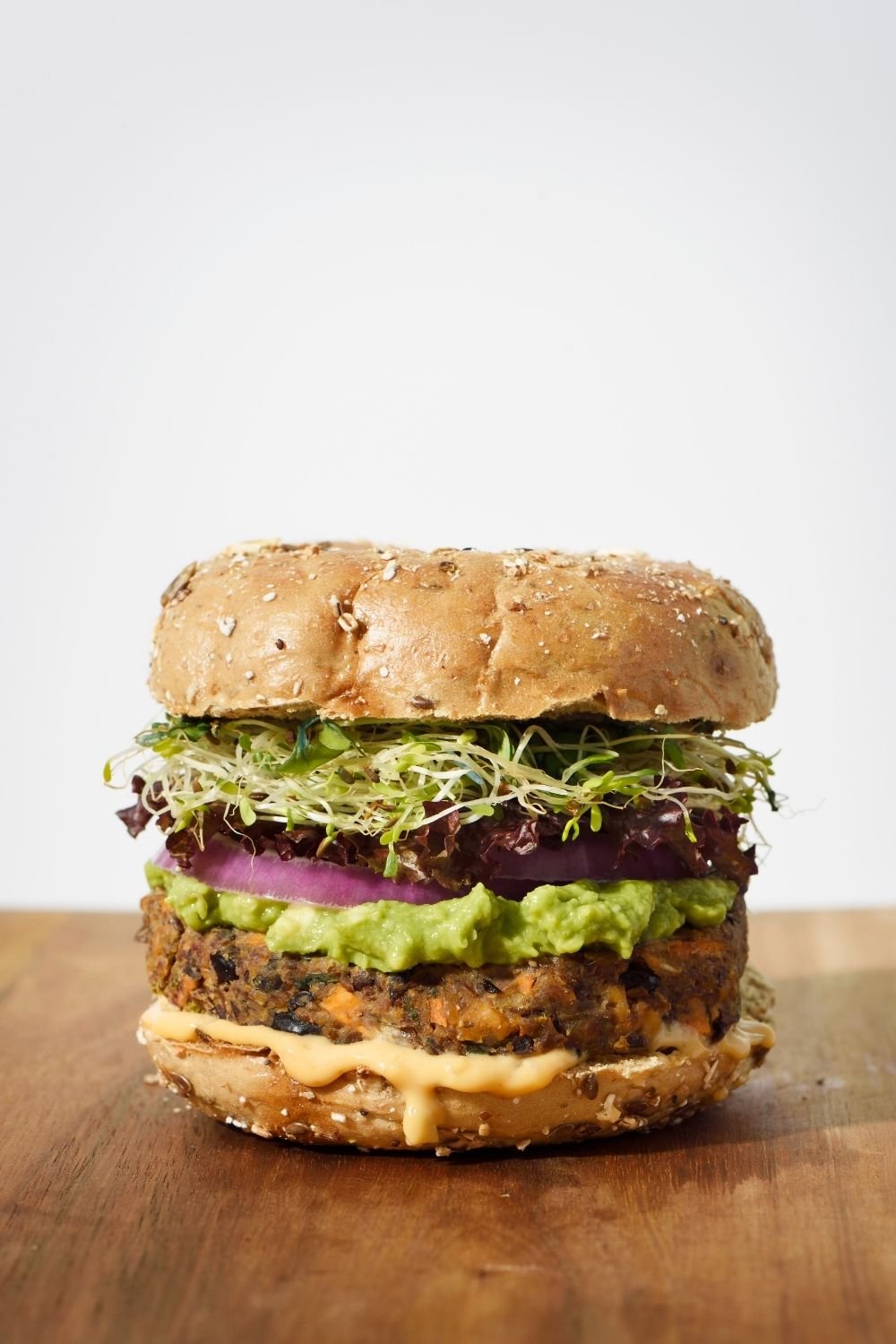
- Serve the hot bean burgers in toasted buns, topped with the dressed lettuce and some fresh red onion slices for added crunch and flavor.
Mary Berry Veggie Burgers Recipe
Ingredients
Method
- Melt the butter in a frying pan over high heat. Add the mushrooms and leek and cook for 2–3 minutes, stirring frequently, until they soften considerably. Toss in the jalapeño, sugar, and garlic and continue stir-frying for another 2–3 minutes until fragrant. Add the beans to the pan and cook for 1 minute, stirring to combine everything well.
- Remove the pan from the heat and season the mixture generously with salt and pepper. Using a potato masher, mash the bean mixture until it breaks down into a rough, chunky texture with no large lumps remaining. You want it cohesive enough to hold together but still with some texture. Divide the mixture into 6 equal portions and shape each one into a burger patty with your hands.
- Spread some flour onto a plate and season it well with salt and pepper. Gently coat both sides of each burger patty in the seasoned flour, tapping off any excess. This creates a nice crust when cooking.
- Heat the oil in a clean frying pan over medium-high heat. Add the floured burgers to the hot pan and cook for about 3–4 minutes on each side until they develop a golden brown crust and are heated through completely.
- While the burgers are cooking, prepare the dressed lettuce by whisking together the mayonnaise, mustard, and lemon juice in a bowl until smooth. Add the shredded lettuce and diced onion, tossing until everything is evenly coated in the creamy dressing.
- Serve the hot bean burgers in toasted buns, topped with the dressed lettuce and some fresh red onion slices for added crunch and flavor.
Notes
Are Veggie Burgers Actually Healthy?
The healthiness of veggie burgers depends entirely on how they’re made and what ingredients they contain. Homemade veggie burgers like Mary Berry’s recipe, made with whole vegetables, beans, and minimal processing, offer excellent nutritional value with fiber, protein, vitamins, and minerals. These provide genuine health benefits including improved digestion, heart health, and sustained energy without excessive sodium or artificial additives. However, many store-bought veggie burgers tell a different story. Highly processed commercial versions often contain long ingredient lists with preservatives, excessive sodium, refined oils, and fillers that diminish their nutritional value. Some plant-based burgers designed to mimic meat can be surprisingly high in saturated fat and calories, sometimes matching or exceeding traditional beef burgers. The key is reading labels carefully or making your own. Homemade veggie burgers allow complete control over ingredients, ensuring you get wholesome vegetables, legumes, and whole grains without hidden unhealthy additives. When choosing store-bought options, look for short ingredient lists featuring recognizable whole foods, moderate sodium levels under 400mg per serving, and minimal saturated fat. The healthiest veggie burgers are those made from real vegetables and beans, not science experiments designed to bleed like beef.Are Veggie Burgers Actually Healthy?
The healthiness of veggie burgers depends entirely on how they’re made and what ingredients they contain. Homemade veggie burgers like Mary Berry’s recipe, made with whole vegetables, beans, and minimal processing, offer excellent nutritional value with fiber, protein, vitamins, and minerals. These provide genuine health benefits including improved digestion, heart health, and sustained energy without excessive sodium or artificial additives.
However, many store-bought veggie burgers tell a different story. Highly processed commercial versions often contain long ingredient lists with preservatives, excessive sodium, refined oils, and fillers that diminish their nutritional value. Some plant-based burgers designed to mimic meat can be surprisingly high in saturated fat and calories, sometimes matching or exceeding traditional beef burgers.
The key is reading labels carefully or making your own. Homemade veggie burgers allow complete control over ingredients, ensuring you get wholesome vegetables, legumes, and whole grains without hidden unhealthy additives. When choosing store-bought options, look for short ingredient lists featuring recognizable whole foods, moderate sodium levels under 400mg per serving, and minimal saturated fat. The healthiest veggie burgers are those made from real vegetables and beans, not science experiments designed to bleed like beef.
Mary Berry Veggie Burgers Substitutions And Variations
While Mary Berry’s original recipe nails the flavor profile with its mushroom-leek combo and lima beans, you’ve got plenty of room to make these burgers work for your kitchen and your taste buds. I’d swap the cremini mushrooms for portobellos if you want deeper, earthier notes.
Not feeling jalapeño heat? Try a roasted red pepper instead, or skip it entirely. You can substitute cannellini beans alone if lima beans aren’t your thing, though I find mixing them creates better texture.
For the lettuce mixture, I’d add a touch of honey to balance the mustard’s tang. Want crispier patties? Dust them with panko instead of plain flour. These tweaks let you personalize without losing what makes Mary’s version special.
What To Serve With Mary Berry Veggie Burgers
Once you’ve got those veggie patties sizzling in the pan and golden-brown on both sides, the real fun begins because honestly, what you serve alongside them can make or break the whole meal. I’d go straight for classic burger toppings: that creamy dressed lettuce mixture with mayo and Dijon mustard, fresh tomato slices, crispy onion rings, and maybe some avocado if you’re feeling fancy.
A tangy coleslaw works beautifully too, cutting through the richness nicely. Don’t sleep on crispy fries or sweet potato wedges as your side dish. Want something lighter? Pair them with a fresh green salad. The key here is balancing textures and flavors, so you’re not just eating one-note veggie patties. Think about what makes a burger sing for you personally, then build around that.
Final Thoughts
So here’s the thing about Mary Berry’s veggie burgers: they’re not some complicated kitchen project that’ll have you second-guessing yourself at every step. You’re looking at straightforward ingredients, minimal prep work, and results that actually taste good. The beauty here is that these burgers work whether you’re cooking for yourself or feeding a crowd. They’re hearty enough to satisfy meat-eaters, which means you won’t hear complaints at the dinner table. Plus, you can make a big batch ahead and refrigerate them, which is genuinely helpful for busy weeknights. I’d say give this recipe a shot if you want a veggie burger that feels homemade rather than store-bought. You’ll probably find yourself making them regularly.