
 Lucy M.
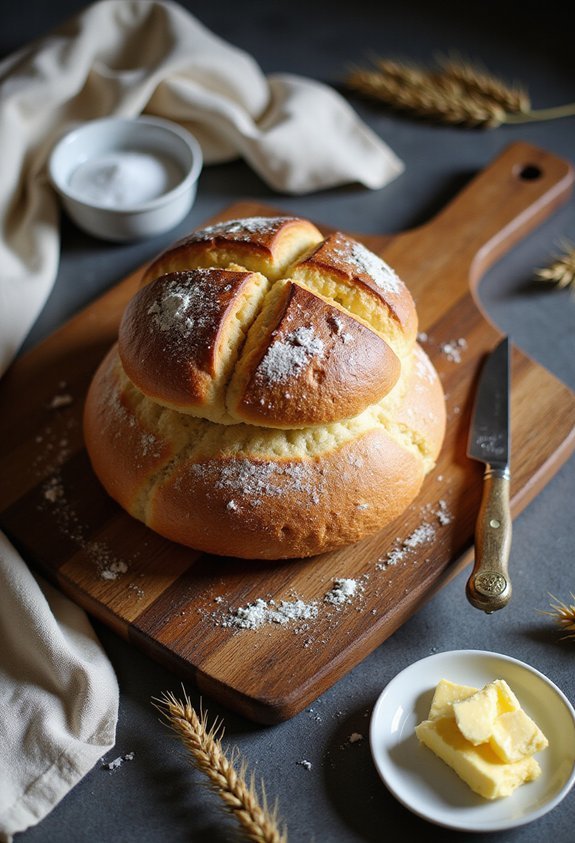
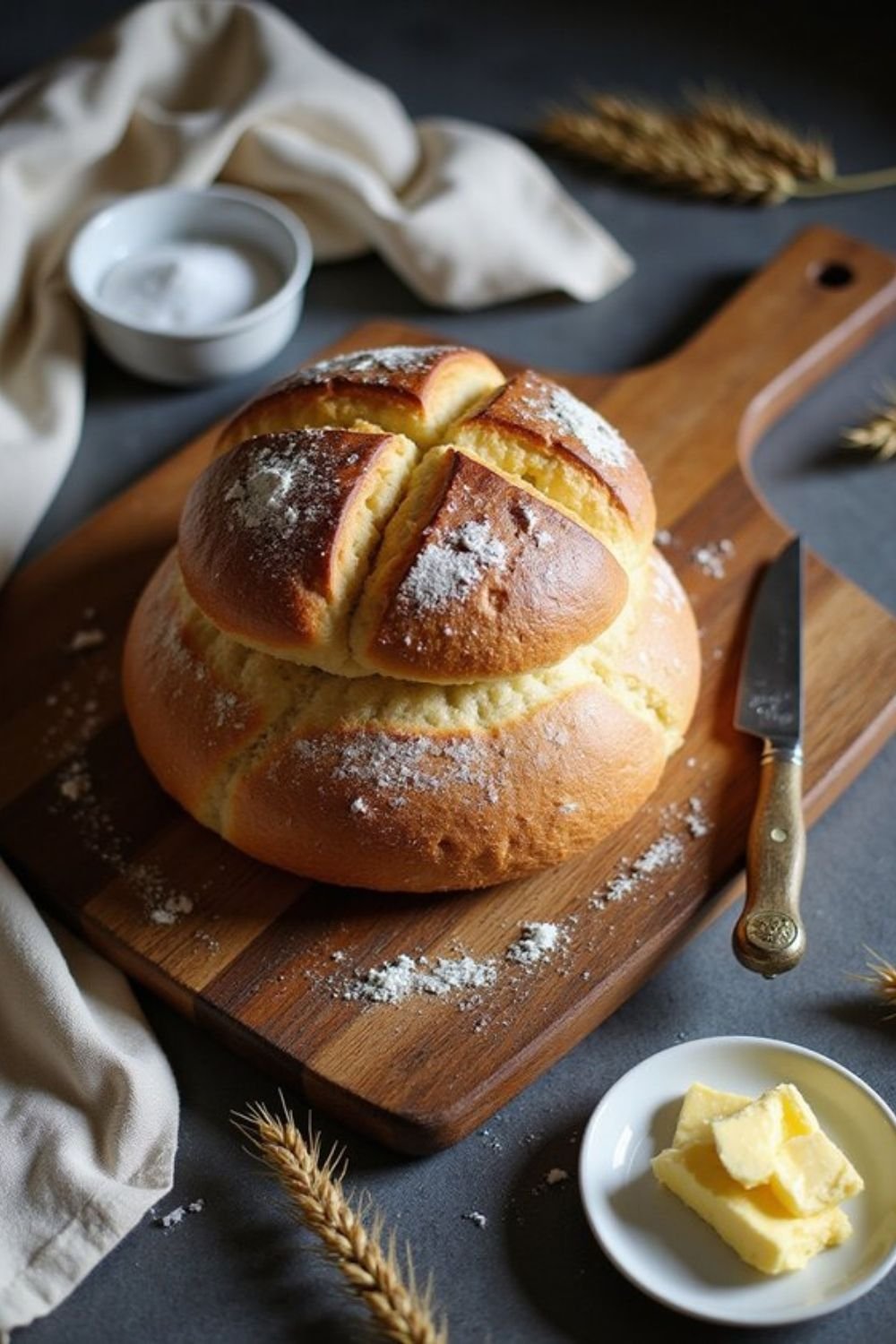
 Who knew that creating the iconic white cottage loaf shape with its distinctive stacked design could be this simple? I was completely blown away when I first shaped this traditional bread and watched it bake into that perfect two-tiered loaf that looks straight from an English countryside bakery. The way the smaller top sits proudly on the larger base had everyone thinking I’d mastered some ancient baking secret. You won’t believe how easy it is to achieve this classic shape that’s been intimidating home bakers for generations. Get ready to surprise yourself with a stunning loaf that looks like it required years of practice.
Why Does A Cottage Loaf Have Two Balls?
The white cottage loaf’s distinctive two-tiered shape isn’t just decorative; it served a practical purpose in traditional baking. This iconic design allowed bakers to fit more loaves into their ovens by stacking dough vertically rather than spreading it horizontally. The cottage loaf maximized precious oven space in small home kitchens and bakeries.
The two-ball structure also promotes even baking throughout the white cottage loaf. The smaller top section bakes quickly while the larger bottom develops a perfect crust. This clever design creates more crusty surface area, which was highly prized in traditional bread-making. The distinctive shape also made it easy to identify homemade bread at markets.
Creating an authentic cottage loaf requires skill in shaping and stacking the dough balls so the top doesn’t slide off during baking. Bakers traditionally push a wooden spoon handle through both sections to secure them. This time-honored technique produces the rustic, charming appearance that makes white cottage loaf a beloved British baking classic still enjoyed today.
Why You’Ll Love This White Cottage Loaf
Because this cottage loaf looks like something straight out of a Victorian bakery window, you’d think it requires some kind of ancient bread-making degree to pull off. But here’s the secret nobody tells you: it’s actually one of the most forgiving breads you can make. The iconic stacked shape? Just two balls of dough, one perched on top of the other. That’s it. No fancy shaping techniques, no braiding skills, no need to watch seventeen YouTube tutorials first. Plus, with only six ingredients and your hands doing most of the work, this bread practically begs beginners to give it a shot.
Looking for more from-scratch baking? Our Zucchini Loaves is wonderfully satisfying to make.
What Ingredients Are In White Cottage Loaf?
This traditional British loaf keeps things beautifully simple with pantry staples you probably already have on hand. The ingredient list is short and straightforward, making it an accessible recipe for bakers of any skill level. The combination of bread flour and fast-acting yeast gives you that classic chewy texture and golden crust, while the butter adds just enough richness without overwhelming the bread’s rustic character.
Ingredients you’ll need:
- 3½ cups (450g) bread flour
- 1 × ¼-ounce (7g) packet fast-acting dried yeast
- 3 tbsps (40g) salted butter, melted
- 1 tsp salt
- 1 cup + 3 tbsps (300ml) warm water
- 1 extra-large egg, beaten (for glaze)
- 1 tbsp milk (for glaze)
The temperature of your water matters more than you might think—aim for warm, not hot, around 105-110°F (40-43°C). Water that’s too hot will kill the yeast, while water that’s too cold won’t activate it properly. If you only have unsalted butter on hand, you can use it, though you might want to add a tiny pinch more salt to compensate. The egg wash combined with milk creates that gorgeous, glossy finish that makes cottage loaves so visually striking, but if you’re in a pinch, you can use just egg or just milk on its own.
How To Make This White Cottage Loaf
- Begin by combining all the dry and wet ingredients in a bowl: 3½ cups (450g) bread flour, 1 × ¼-ounce (7g) packet fast-acting dried yeast, 1 teaspoon salt, 3 tablespoons (40g) salted butter (melted), and 1 cup + 3 tablespoons (300ml) warm water.
- Mix until a soft, sticky dough forms. Transfer the dough to a floured surface and knead for 4–5 minutes until it becomes smooth and elastic.
- Place the kneaded dough in a lightly oiled bowl, cover tightly with plastic wrap, and allow it to rise in a warm location for 1–1½ hours until it has doubled in size.
- Once the dough has risen, line a baking sheet with parchment paper and turn out the dough onto it. Punch down the dough to release excess gas, then divide it into two pieces—one substantially larger than the other.
- Shape both pieces into balls and stack the smaller ball on top of the larger one to create the signature cottage loaf shape. Using a floured wooden spoon handle, push it straight through the center of both balls down to the baking sheet; this creates the characteristic indentation that holds the loaf together and gives it its distinctive appearance.
- Place the entire baking sheet inside a sealed plastic bag and allow the shaped loaf to proof for 35–45 minutes.
- Preheat the oven to 425°F during the final stages of proofing. Just before baking, brush the loaf generously with a glaze made from 1 extra-large egg beaten together with 1 tablespoon milk.
- Bake for 20–25 minutes until the loaf is golden brown and sounds hollow when tapped on the bottom. Transfer the finished loaf to a wire rack to cool completely before slicing.
White Cottage Loaf Recipe
Ingredients
Method
- Begin by combining all the dry and wet ingredients in a bowl: 3½ cups (450g) bread flour, 1 × ¼-ounce (7g) packet fast-acting dried yeast, 1 teaspoon salt, 3 tablespoons (40g) salted butter (melted), and 1 cup + 3 tablespoons (300ml) warm water.
- Mix until a soft, sticky dough forms. Transfer the dough to a floured surface and knead for 4–5 minutes until it becomes smooth and elastic.
- Place the kneaded dough in a lightly oiled bowl, cover tightly with plastic wrap, and allow it to rise in a warm location for 1–1½ hours until it has doubled in size.
- Once the dough has risen, line a baking sheet with parchment paper and turn out the dough onto it. Punch down the dough to release excess gas, then divide it into two pieces—one substantially larger than the other.
- Shape both pieces into balls and stack the smaller ball on top of the larger one to create the signature cottage loaf shape. Using a floured wooden spoon handle, push it straight through the center of both balls down to the baking sheet; this creates the characteristic indentation that holds the loaf together and gives it its distinctive appearance.
- Place the entire baking sheet inside a sealed plastic bag and allow the shaped loaf to proof for 35–45 minutes.
- Preheat the oven to 425°F during the final stages of proofing. Just before baking, brush the loaf generously with a glaze made from 1 extra-large egg beaten together with 1 tablespoon milk.
- Bake for 20–25 minutes until the loaf is golden brown and sounds hollow when tapped on the bottom. Transfer the finished loaf to a wire rack to cool completely before slicing.
Notes
Why Does A Cottage Loaf Have Two Balls?
The white cottage loaf’s distinctive two-tiered shape isn’t just decorative; it served a practical purpose in traditional baking. This iconic design allowed bakers to fit more loaves into their ovens by stacking dough vertically rather than spreading it horizontally. The cottage loaf maximized precious oven space in small home kitchens and bakeries. The two-ball structure also promotes even baking throughout the white cottage loaf. The smaller top section bakes quickly while the larger bottom develops a perfect crust. This clever design creates more crusty surface area, which was highly prized in traditional bread-making. The distinctive shape also made it easy to identify homemade bread at markets. Creating an authentic cottage loaf requires skill in shaping and stacking the dough balls so the top doesn’t slide off during baking. Bakers traditionally push a wooden spoon handle through both sections to secure them. This time-honored technique produces the rustic, charming appearance that makes white cottage loaf a beloved British baking classic still enjoyed today.White Cottage Loaf Substitutions And Variations
While this cottage loaf is pretty perfect as-is, you can absolutely play around with the recipe to suit your pantry or your mood. Want whole wheat? Swap half the bread flour for whole wheat flour, though you’ll need a splash more water. Craving herbs? I’d fold in rosemary or thyme during kneading. You could brush the top with garlic butter instead of egg wash, which sounds dangerous in the best way. Some bakers add seeds—sesame, poppy, whatever’s lurking in your cupboard. Just remember that major flour swaps will change your texture, so adjust expectations accordingly.
What To Serve With White Cottage Loaf
Honestly, cottage loaf pairs with just about anything you’d normally dunk, slather, or mop up with bread, which is to say pretty much everything. I’m talking hearty soups, chunky stews, those gloriously runny eggs at breakfast. Slather it with butter and jam, pile on some aged cheddar and chutney, or use thick slices for the world’s best grilled cheese. It makes incredible toast, obviously, and handles gravy like a champ. The dense crumb means it won’t disintegrate mid-dunk, which matters more than people think. Honestly, you could serve it alongside air and I’d probably still grab a slice.
Final Thoughts
Look, if you’ve made it this far, you’re basically committed to pulling off what might be the most impressive-looking loaf you’ll bake all year with surprisingly little actual effort. That distinctive stacked shape, that golden crust, the soft crumb inside—it’s all within reach now. I’m telling you, once you serve this at dinner, people will assume you’ve been secretly attending baking school. Will it be perfect the first time? Maybe, maybe not. But even a slightly wonky cottage loaf still tastes incredible and looks charming. So grab that flour, warm up some water, and let’s make bread magic happen.