

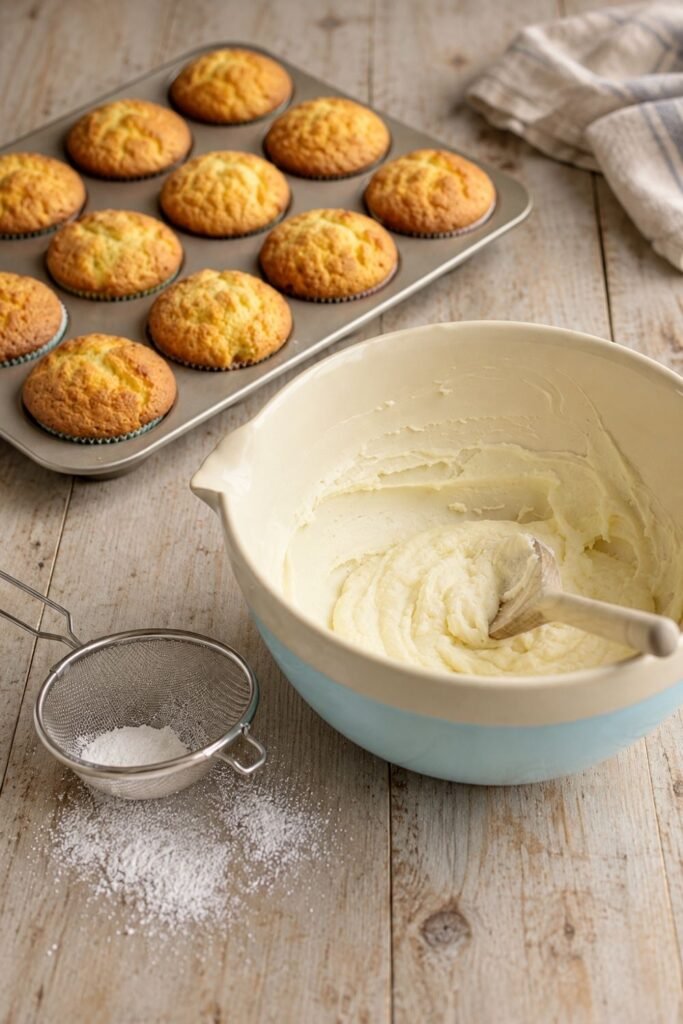
Butter does most of the work in this butter icing recipe. It gives the icing its body, its rich dairy flavour, and the soft, spreadable texture that makes British buttercream so easy to live with. Icing sugar sweetens it and gives it structure, and a spoonful or two of milk decides whether it pipes crisply or spreads in soft swirls.
This is the classic UK approach: two parts icing sugar to one part butter, beaten until pale and creamy, with no eggs, no cooking, and no sugar syrup. It takes less than 30 minutes and makes enough to fill one medium cake, top six cupcakes, or cover twelve fairy cakes.
Once you have the basic version down, two easy variations follow. The orange version swaps the milk and vanilla for fresh zest and juice. The chocolate version combines cocoa powder with melted chocolate for a deeper, fudgier finish.
These are the practical reasons this recipe earns a place in your baking.
- A simple one-to-two ratio of butter to icing sugar that’s easy to remember and scale in your head.
- Adding the sugar in two stages keeps the mix smooth and stops a cloud of sugar from escaping the bowl.
- You set the consistency yourself by adding milk a little at a time, so it can be firm for piping or softer for spreading.
- One base recipe gives you three flavours: vanilla, fresh orange, and rich chocolate.
- No cooking, no eggs, and no special equipment beyond a bowl and a mixer or wooden spoon.
The Ratio Behind Classic British Butter Icing
The whole recipe rests on 140g of butter to 280g of icing sugar. Double the sugar gives you a buttercream sweet and firm enough to hold its shape, while leaving enough butter to taste rich and feel smooth rather than chalky.
Everything else is an adjustment. The milk changes the texture, the vanilla rounds out the flavour, and the colouring is purely cosmetic. For the variations, the orange and chocolate additions replace some of that liquid and flavouring, which is why the method changes slightly for each one.
Here’s how each ingredient affects the finished icing.
The ingredients below are the ones that make or break the texture and flavour.
- Softened butter: The base of the icing. It needs to be soft enough to beat easily, because cold butter breaks into lumps and melted butter can’t hold air or structure.
- Icing sugar: Known as powdered or confectioners’ sugar in the US. Its fine texture dissolves into the butter, and it provides the bulk that makes the icing firm enough to spread or pipe.
- Milk: Your consistency control. A tablespoon loosens the mix into something creamy, and the second is optional, added only if the icing still feels stiff.
- Vanilla extract: Only a quarter teaspoon, but it takes the edge off the plain sweetness and makes the icing taste finished rather than flat.
- Orange zest and juice: In the orange variation, the juice takes over the milk’s job of loosening the icing, and the zest carries most of the fragrant citrus flavour through its natural oils.
- Cocoa powder: Adds deep chocolate flavour and colour. Because it’s a dry powder, it also firms up the icing, which is one reason the chocolate version uses melted chocolate as well.
- Melted chocolate: Brings a richer, rounder chocolate taste than cocoa alone, and gives the icing a glossy, fudgy quality once it’s beaten in. Milk chocolate keeps it mellow, while dark chocolate makes it more intense and less sweet.
Beating the Butter Before the Sugar Goes In
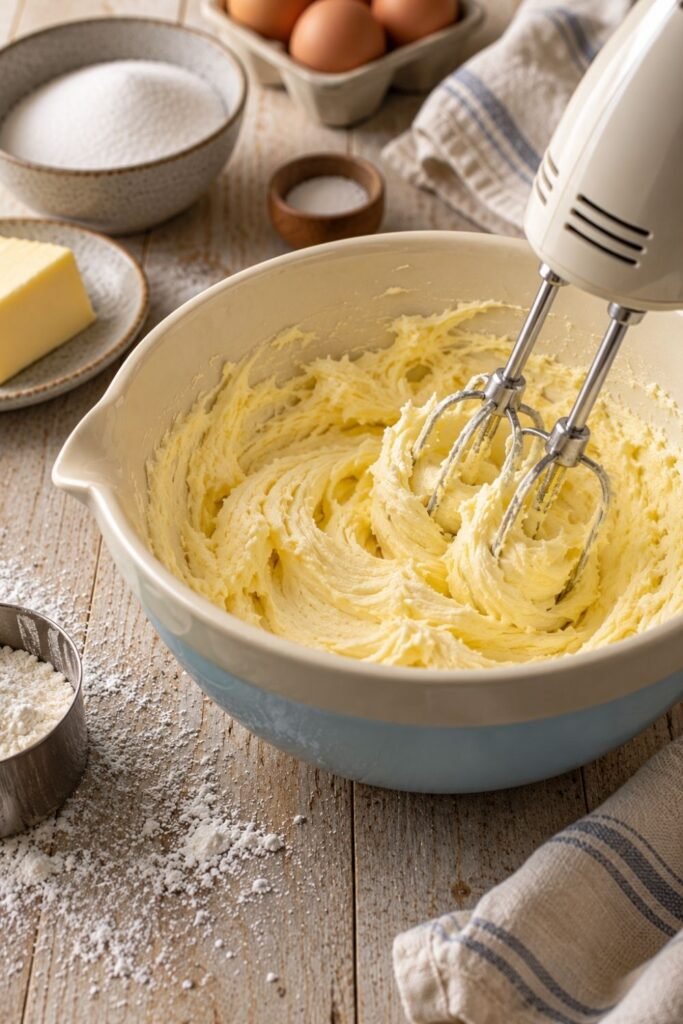
The step that decides the texture of your butter icing happens before any sugar is added. Beating the butter on its own first loosens it and makes it smooth, so the icing sugar has something soft and even to blend into.
Start with butter that’s properly softened. Press it with a finger and it should dent easily without looking greasy or oily. Beat it in a large bowl until it looks soft and slightly lighter, with no firm streaks left.
Then add the icing sugar in two batches rather than all at once. Adding half first lets the butter absorb it gradually, so the mixture stays smooth instead of turning into a dry, crumbly mass. It also saves you from a cloud of icing sugar puffing out of the bowl the moment the mixer starts.
How to Get the Consistency Right
The most common problem with homemade buttercream is getting the texture wrong, usually by adding too much liquid too soon. A mixture that’s slightly too stiff is easy to fix. One that’s gone soft and sloppy is much harder to bring back.
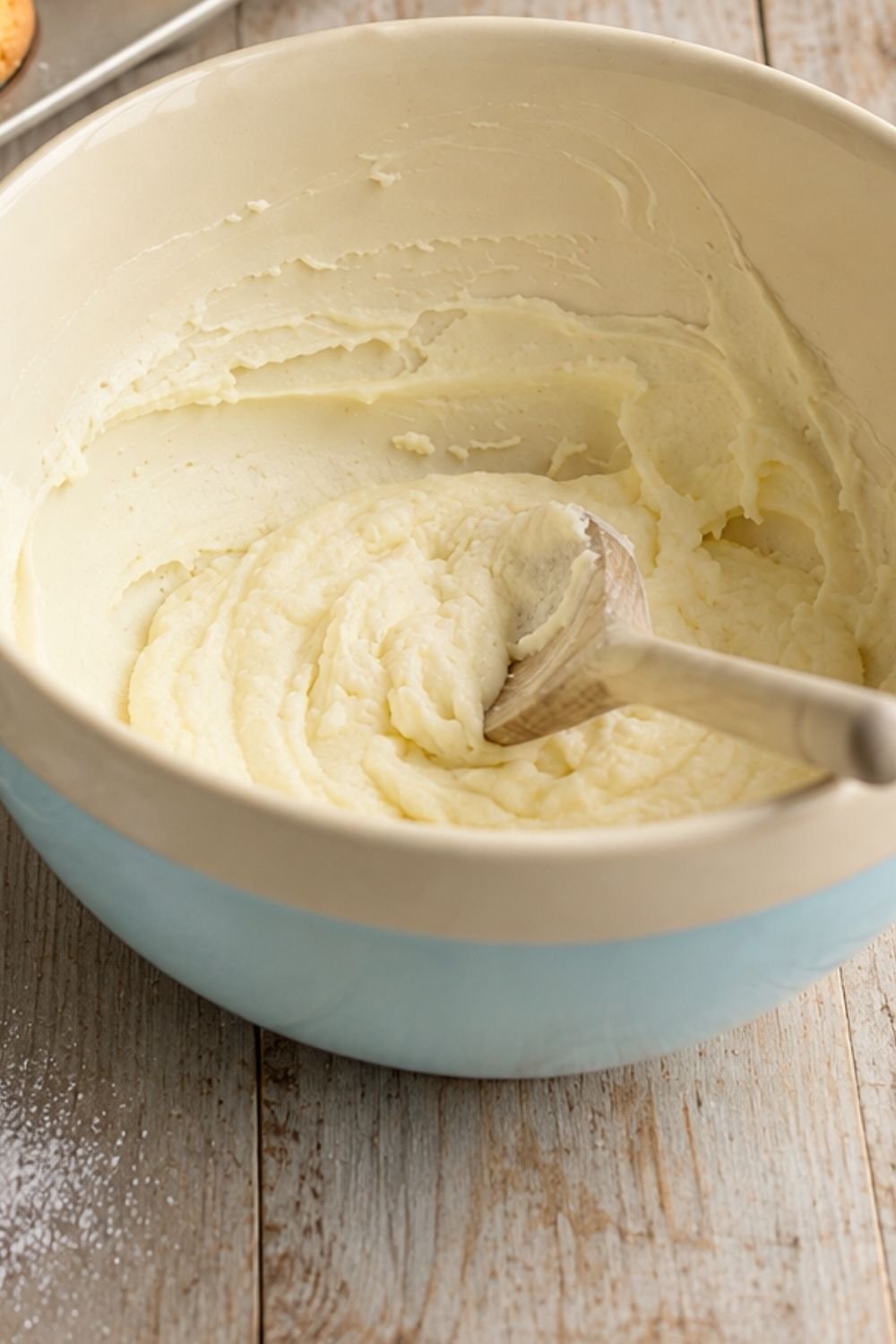
That’s why the milk goes in one tablespoon at a time. After the second batch of sugar, add just one tablespoon along with the vanilla, and beat until the icing looks creamy and smooth. Then stop and check.
If it holds a firm peak and feels tight on the spoon, it’s ready for piping defined swirls on cupcakes. If you’d prefer something easier to spread across a sponge, beat in the remaining milk. Only add it if the icing needs it, since it’s there as an option rather than a requirement.
Adding Colour Without Thinning the Icing
Food colouring comes last, stirred in until the colour is even with no streaks. A few drops is enough to tint the icing, and you can add more gradually if you want a stronger shade.
Gel colours work far better here than liquid food colouring. They’re concentrated, so a small amount gives strong colour without adding extra liquid. Liquid colouring needs larger amounts for the same shade, and that extra moisture can make the icing loose and sloppy, especially if you’ve already added both tablespoons of milk.
Fresh Orange Buttercream
The orange variation starts from the same butter and sugar base, but it changes what liquid goes in. Leave out the milk and vanilla completely. The two tablespoons of orange juice do the loosening instead, and the zest from one large orange provides the flavour. Adding milk on top of the juice would make the icing too soft.
Grate only the bright orange outer layer of the peel, avoiding the bitter white pith underneath. Stir in the zest and juice until everything is thoroughly combined, with no pockets of juice left sitting on top.
Rich Chocolate Buttercream
The chocolate version leaves out the milk but keeps the vanilla. The cocoa powder goes in with the icing sugar as you cream everything together, so it blends evenly into the butter.
The melted chocolate needs a little patience. Let it cool for 10 minutes before adding it to the whipped butter and sugar. Chocolate straight from the heat is warm enough to soften or partly melt the butter, which leaves the icing greasy and loose. After cooling, it should still be liquid but no longer hot to the touch.
Ingredients for This UK Butter Icing Recipe
This recipe makes enough icing to fill one medium cake, top six cupcakes, or cover twelve fairy cakes. Everything comes together in less than 30 minutes.
The two ingredients to focus on are the butter, which needs to be properly soft, and the icing sugar, which should be free of lumps. The milk is where you adjust the texture, so keep the second tablespoon aside until you’ve checked the consistency.
These make the plain vanilla buttercream that both variations build on.
- 140g/5oz butter, softened, soft enough to dent easily with a fingertip
- 280g/10oz icing sugar, sieved first if it looks lumpy
- 1–2 tbsp milk, add the second tablespoon only if needed
- ¼ tsp vanilla extract
- Few drops food colouring, optional, and gel works best
Use the basic butter and icing sugar, leaving out the milk and vanilla, and add the following.
- 1 large orange, zest and 2 tbsp juice, zest before you juice, as it’s much easier
Use the basic recipe without the milk, and add these two ingredients.
- 25g/1oz cocoa powder
- 75g/2½oz milk or dark chocolate, melted, milk for a milder flavour, dark for a deeper one
How to Make Basic Butter Icing
The basic method takes just a few minutes of beating, and both variations follow the same pattern with a small change to the liquid.
Follow these steps in order, checking the texture before adding more milk.
- Loosen the butter. Put the softened butter in a large bowl and beat it on its own until it’s soft and smooth throughout. This gives the sugar an even base to blend into.
- Work in the first half of the sugar. Add half of the icing sugar and beat until the mixture looks smooth again, with no dry patches.
- Add the rest with the milk and vanilla. Add the remaining icing sugar, one tablespoon of the milk, and the vanilla extract. Beat until the icing turns creamy and smooth.
- Adjust the texture. Check the consistency. If it still feels stiff, beat in the remaining milk to loosen it. If it’s already soft enough for how you plan to use it, leave the milk out.
- Colour it, if you like. Stir in a few drops of food colouring until the shade is even and there are no streaks.
How to Make Orange Buttercream
This version is quick once the base is made, since the orange simply takes the place of the milk and vanilla.
This version uses the same base with orange in place of the milk and vanilla.
- Make the base without milk or vanilla. Beat the butter and icing sugar together as in the basic method, but leave out the milk and vanilla entirely.
- Stir in the orange. Add the orange zest and juice and stir until they’re fully combined and the icing is smooth and evenly flecked with zest.
How to Make Chocolate Buttercream
The chocolate version adds cocoa at the creaming stage and melted chocolate at the end, with a short cooling break in between.The key here is giving the melted chocolate time to cool before it meets the butter.
- Cream the base with cocoa. Beat the butter and icing sugar together as in the basic method, leaving out the milk and adding the cocoa powder along with the sugar.
- Cool the chocolate. Let the melted chocolate cool for 10 minutes. It should still be liquid but no longer hot, so it won’t melt the butter.
- Beat it in. Add the cooled chocolate to the whipped butter and sugar and beat until everything is well combined and evenly coloured.
Butter Icing Recipe
Ingredients
Method
How to Make Basic Butter Icing
- Loosen the butter. Put the softened butter in a large bowl and beat it on its own until it’s soft and smooth throughout. This gives the sugar an even base to blend into.
- Work in the first half of the sugar. Add half of the icing sugar and beat until the mixture looks smooth again, with no dry patches.
- Add the rest with the milk and vanilla. Add the remaining icing sugar, one tablespoon of the milk, and the vanilla extract. Beat until the icing turns creamy and smooth.
- Adjust the texture. Check the consistency. If it still feels stiff, beat in the remaining milk to loosen it. If it’s already soft enough for how you plan to use it, leave the milk out.
- Colour it, if you like. Stir in a few drops of food colouring until the shade is even and there are no streaks.
How to Make Orange Buttercream
- Make the base without milk or vanilla. Beat the butter and icing sugar together as in the basic method, but leave out the milk and vanilla entirely.
- Stir in the orange. Add the orange zest and juice and stir until they’re fully combined and the icing is smooth and evenly flecked with zest.
How to Make Chocolate Buttercream
- Cream the base with cocoa. Beat the butter and icing sugar together as in the basic method, leaving out the milk and adding the cocoa powder along with the sugar.
- Cool the chocolate. Let the melted chocolate cool for 10 minutes. It should still be liquid but no longer hot, so it won’t melt the butter.
- Beat it in. Add the cooled chocolate to the whipped butter and sugar and beat until everything is well combined and evenly coloured.
Frequently Asked Questions
Can I Use Double Cream Instead of Milk?
Yes. For a silkier buttercream, swap the milk for double cream (heavy cream in the US) or use a mix of the two. Add it the same way, one tablespoon at a time, and judge the consistency before adding more.
Why Does My Butter Icing Feel Gritty?
Grittiness usually comes from hard clumps in the icing sugar that never broke down. Sieving the sugar before you start prevents this. It can also help to beat the icing a little longer after the final addition of sugar, so everything is fully blended.
Why Does the Chocolate Need to Cool for 10 Minutes?
Freshly melted chocolate is warm enough to soften the butter you’ve just creamed. Letting it cool first keeps the icing thick and glossy instead of greasy and runny.
How Far Will One Batch of Butter Icing Go?
One batch fills one medium cake, tops six cupcakes, or covers twelve fairy cakes. If you want generous piped swirls on every cupcake, keep the icing on the firmer side by holding back the second tablespoon of milk.
A Buttercream Worth Knowing By Heart
With just butter, icing sugar, and a splash of milk, this butter icing gives you a smooth, creamy finish that works on everything from a birthday sponge to a tray of fairy cakes. Get the butter soft, add the sugar in two stages, and let the milk decide the texture, and you’ll have a buttercream you can make from memory, in vanilla, orange, or chocolate.