

Christmas dinner has a way of filling every burner, every shelf in the fridge, and somehow every serving dish you own. I’ve found that the best Christmas dinner recipes are not necessarily the fanciest ones. They are the dishes that can share oven space, wait patiently for twenty minutes, and still taste good once everyone finally sits down.
A strong Christmas menu also needs contrast. Rich roast beef wants something sharp like cranberry sauce. Honey glazed ham benefits from Brussels sprouts or green beans. Turkey needs buttery potatoes, stuffing, and enough gravy to keep people reaching across the table.
I like to plan the meal around one main dish, then choose three or four sides that can mostly be prepared ahead. Scalloped potatoes, cranberry sauce, stuffing, and green bean casserole all give you some breathing room. Quicker sides such as glazed carrots or salmon can be finished closer to serving.
Below are 15 dishes that cover the whole table, including roast meats, lighter mains, potatoes, vegetables, stuffing, rolls, and the sauces that pull everything together.
Christmas Dinner Recipes For A Complete Holiday Table
This collection mixes traditional Christmas favorites with flexible options for smaller gatherings and different menus. Choose one centerpiece, then build the rest of the meal around the sides your family actually wants to eat.
1. Honey Glazed Ham
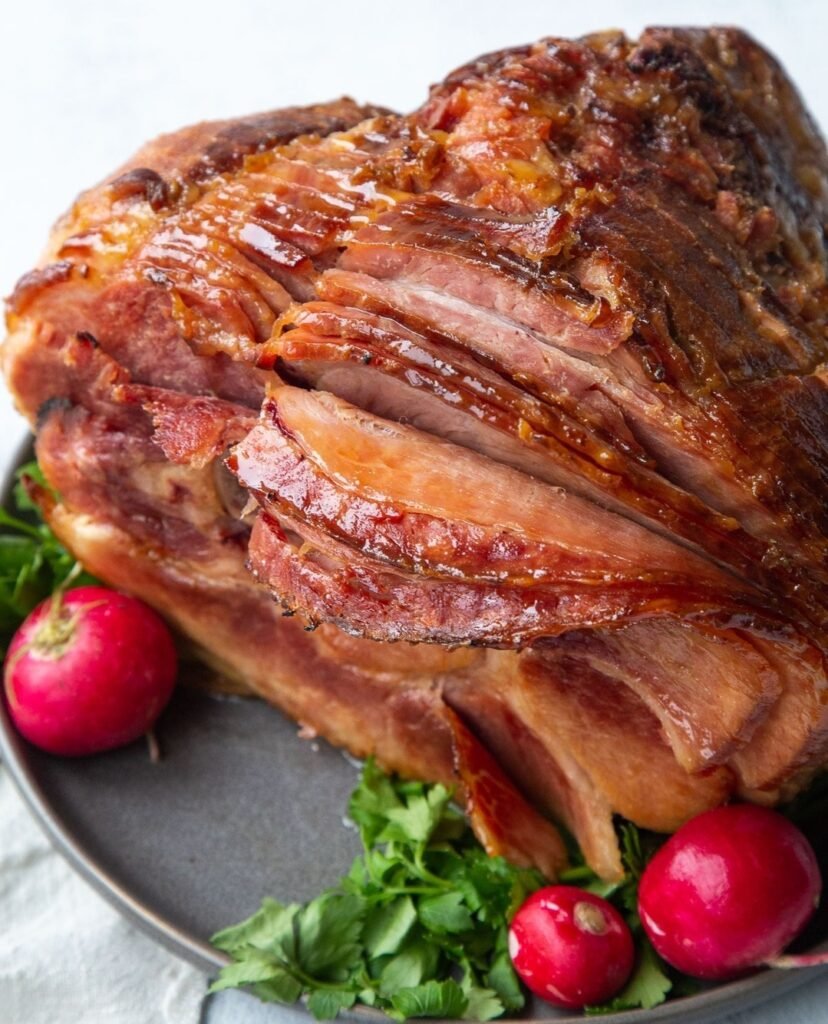
Honey glazed ham earns its place at Christmas because the salty meat can handle a sticky, sweet glaze without becoming cloying. The important part is building the glaze in layers rather than pouring everything on at once.
For the glaze, think:
- Honey for sweetness
- Mustard for sharpness
- Brown sugar for deeper caramel notes
- A little citrus or vinegar to cut through the richness
- Warm spices if you want a more festive edge
Brush the ham several times during the final part of roasting, letting each layer set before adding the next. Keep an eye on the edges once the sugars begin to darken.
Make ahead: Mix the glaze the day before and keep it chilled. That leaves only the roasting and glazing for Christmas Day.
2. Prime Rib Roast
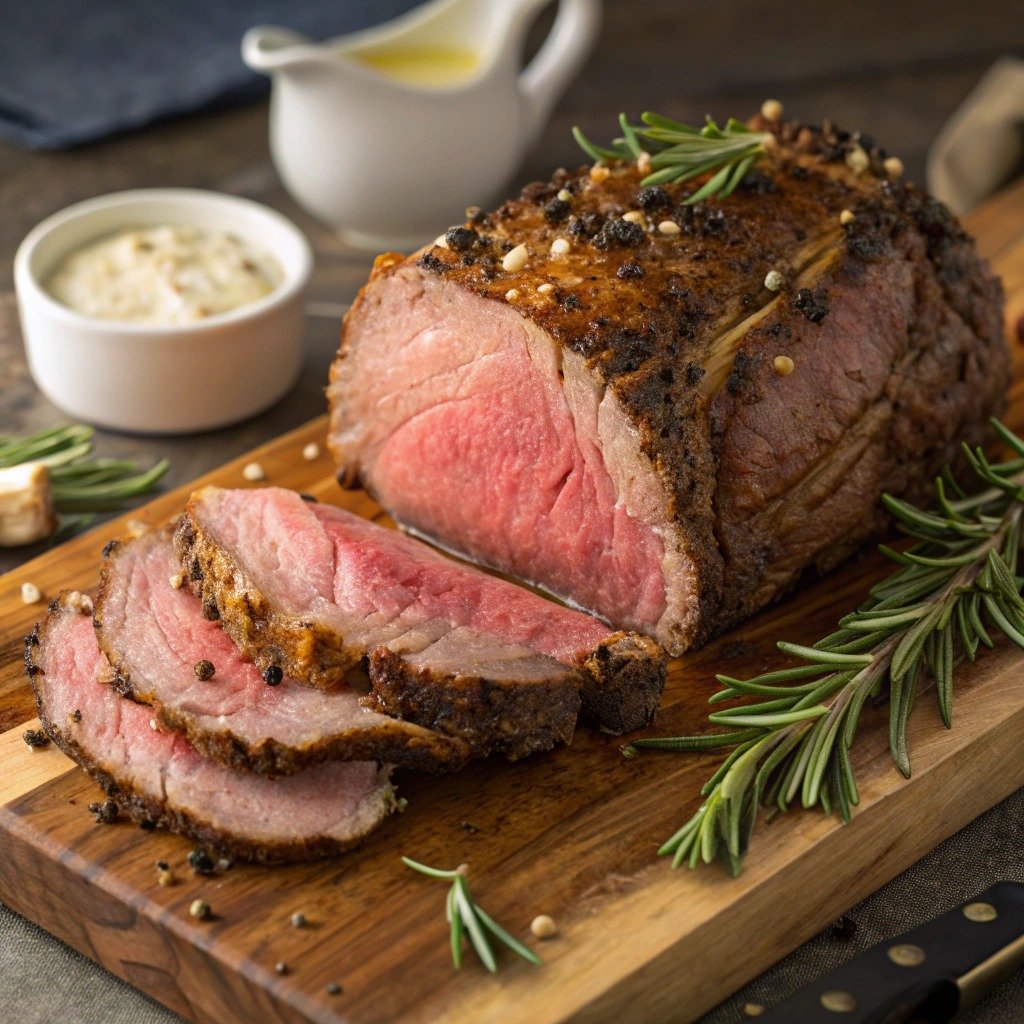
Prime rib is mostly about restraint. A well-seasoned roast, steady heat, and enough resting time will do more for it than a complicated marinade.
- Season the beef generously with salt, black pepper, garlic, and herbs, then let it sit so the surface is no longer fridge-cold.
- Roast until the center reaches the doneness you want, allowing for a little carryover cooking after it leaves the oven.
- Rest it properly before slicing so the juices stay in the meat instead of running across the board.
A creamy horseradish sauce or simple pan gravy works well alongside it because both cut through the richness.
The step people rush is the resting. Give the roast time. Thick slices stay noticeably juicier when the meat is not carved straight from the oven.
3. Beef Tenderloin with Garlic Butter
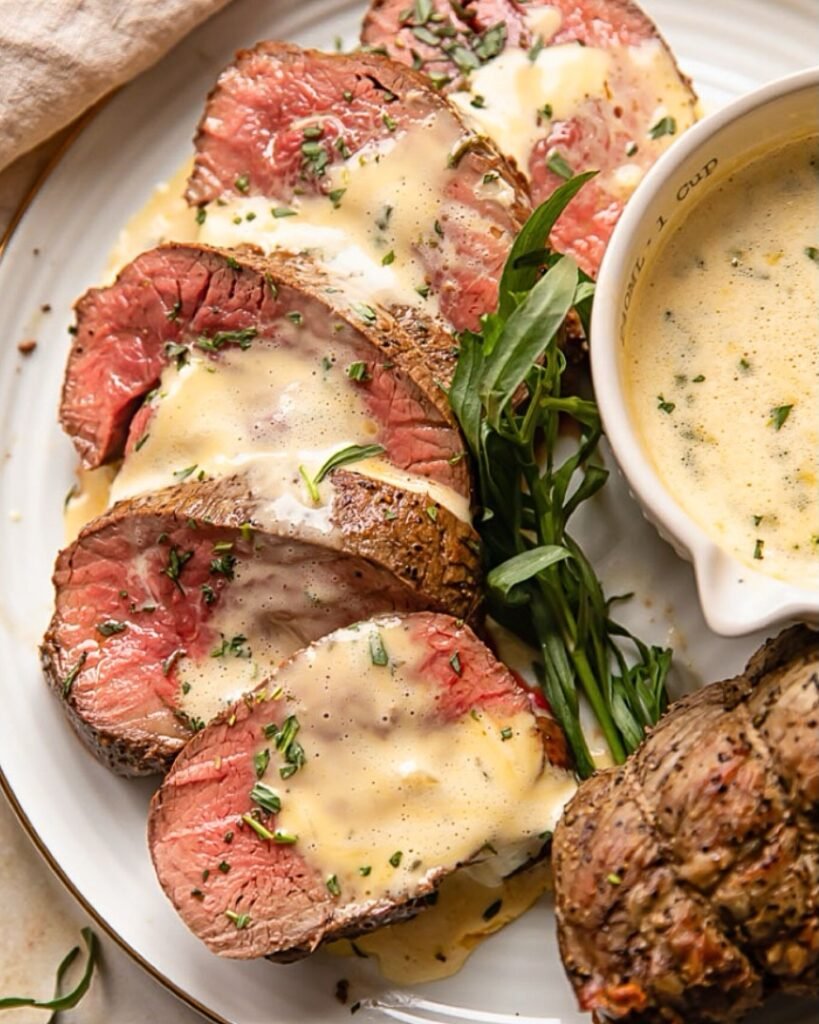
Beef tenderloin is leaner than prime rib, so the butter matters here. Garlic butter adds richness while the tenderloin provides that soft, fine-grained texture people expect from a special-occasion roast.
Start by seasoning the beef simply and searing the outside well. Finish it in the oven, then rest it before slicing.
Why this works: The seared surface gives you the savory crust that tenderloin cannot develop from roasting alone. Garlic butter added near the end brings fat and aroma without masking the beef.
You can stir chopped parsley, rosemary, or thyme into softened butter and spoon it over the warm meat just before serving.
For Christmas dinner, this pairs especially well with scalloped potatoes, green beans, or roasted carrots. Keep the sides straightforward because the beef already does most of the work.
4. Roast Chicken with Herbs
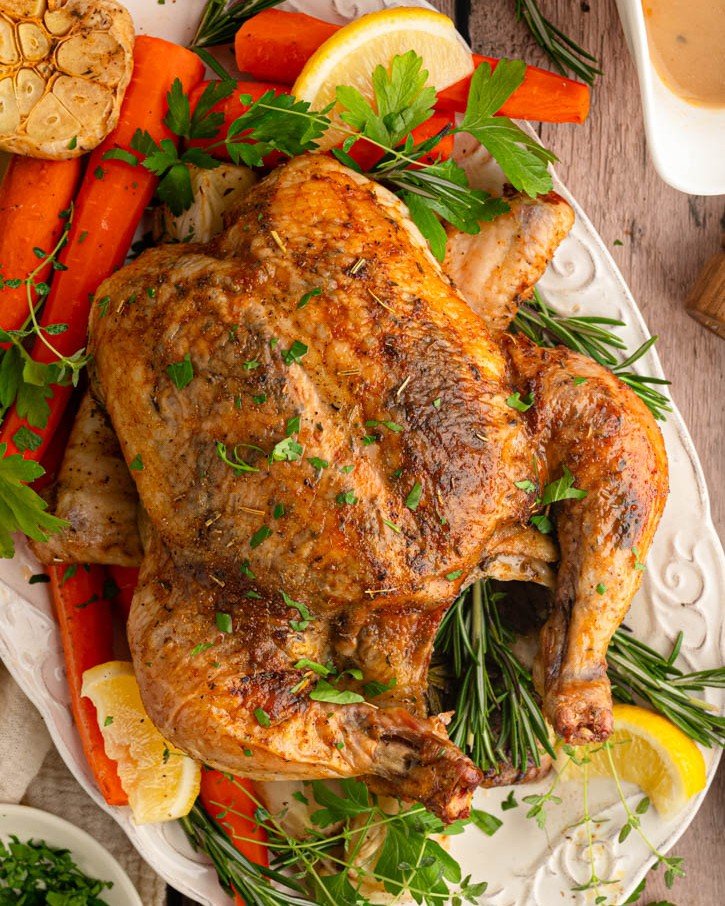
Roast chicken is a useful Christmas option when you are feeding a smaller table and do not need a full turkey. Fresh herbs, garlic, lemon, and butter give it enough occasion without turning dinner into an all-day project.
Rub the chicken with softened butter or oil, salt, pepper, and chopped herbs. Rosemary and thyme work especially well, while lemon adds the acidity that keeps the finished meal from feeling too heavy.
Roast until the skin has browned and the thickest part of the chicken reaches 74°C or 165°F.
For better texture: Leave the chicken uncovered in the refrigerator for a few hours before cooking if you have time. A drier surface browns more readily.
Let it rest before carving, then use the roasting juices as the start of a simple gravy.
5. Maple Glazed Salmon
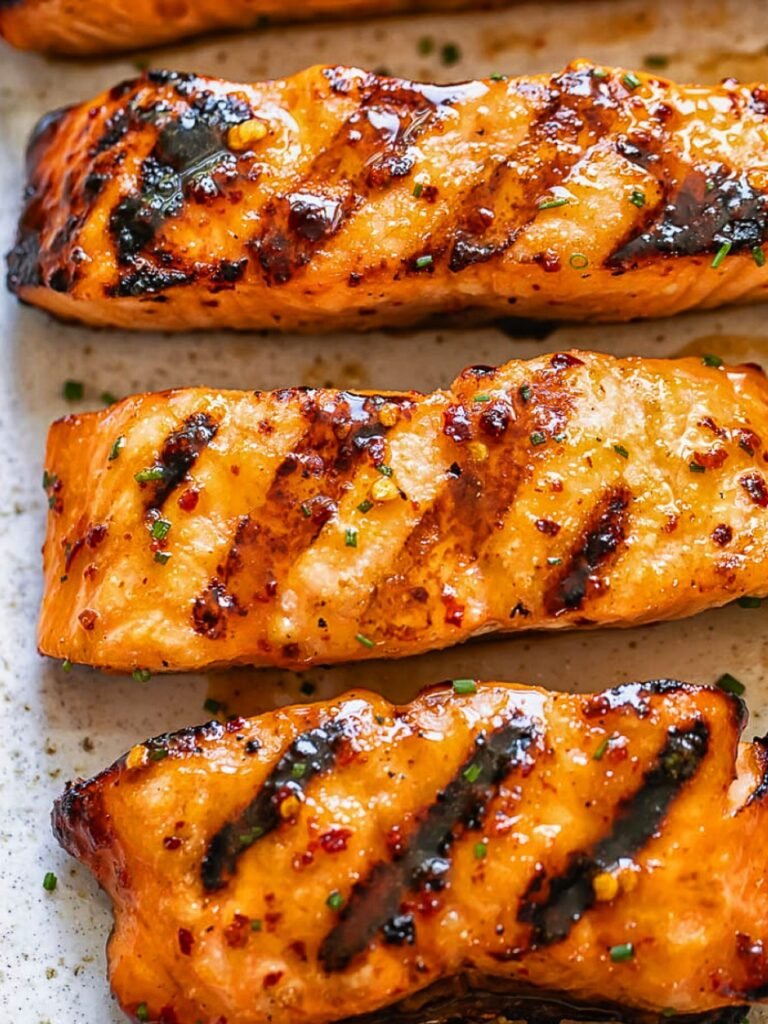
Maple glazed salmon brings a lighter main course to a Christmas table that can otherwise lean heavily toward roasted meat and casseroles. The glaze works because maple sweetness is balanced with something salty and something sharp.
A simple combination can include:
- Maple syrup
- Soy sauce or another salty seasoning
- Garlic
- Lemon juice
- A little chili if you want heat
Brush the glaze over the salmon before cooking, then add another light coating near the end. Avoid applying too much sugary glaze too early because it can scorch before the fish is ready.
Salmon cooks quickly, so this is especially useful when oven space is already claimed by potatoes and side dishes.
Serve it with green beans, Brussels sprouts, or roasted carrots for a Christmas dinner that still feels substantial without being overly rich.
6. Garlic Mashed Potatoes
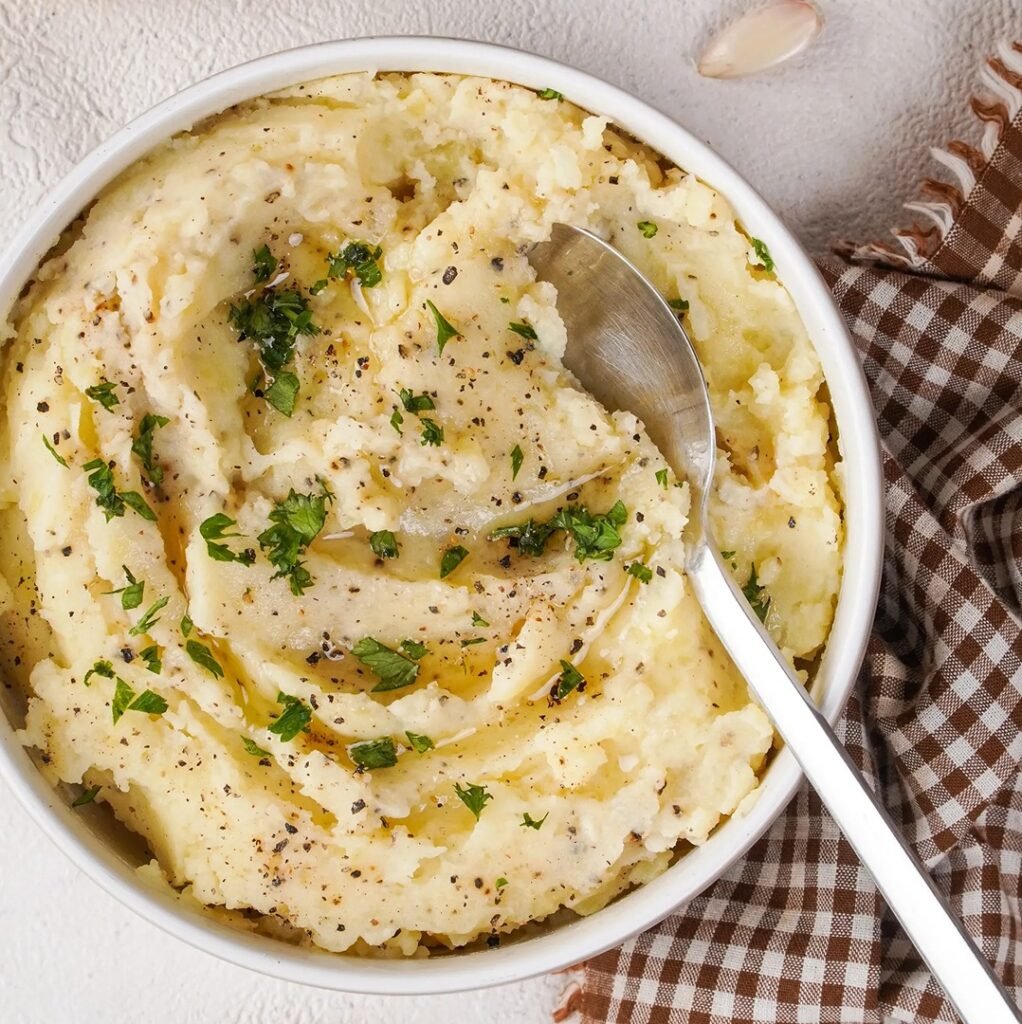
Garlic mashed potatoes work best when the garlic is softened first instead of added raw. Roasted or gently cooked garlic becomes sweeter and blends into the potatoes without leaving a harsh bite.
Cook the potatoes until completely tender, then drain them well. Letting excess steam escape for a minute or two keeps the mash from becoming watery.
Add warm milk or cream, butter, garlic, salt, and black pepper, then mash only until everything comes together.
Do not overwork them: Too much mixing releases excess starch and can turn fluffy potatoes gluey.
These are easy to prepare shortly before dinner and keep warm over gentle heat. If they tighten while waiting, loosen them with a little warm milk rather than more vigorous stirring.
They are especially good under gravy from turkey, ham, chicken, or prime rib.
7. Scalloped Potatoes
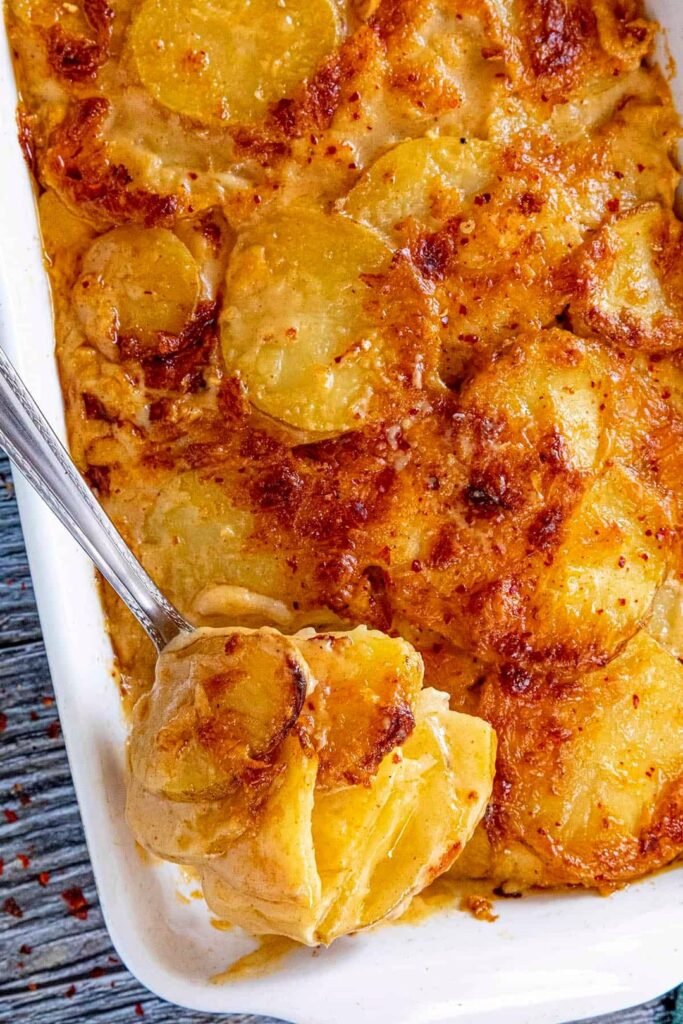
Scalloped potatoes need two things to work: slices that are close to the same thickness and enough time for the potatoes to soften all the way through. Thick, uneven slices leave you with a dish that is browned on top but firm underneath.
Layer thin potato slices with a seasoned cream or milk mixture, garlic, and cheese if your version includes it.
Cover the dish for the first part of baking so trapped steam helps soften the potatoes. Uncover it later to let the top brown and the sauce reduce.
The potatoes should feel tender when pierced through the center, not just around the edges.
Make ahead: Assemble the casserole earlier in the day and refrigerate it, then bake before dinner. Allow a little extra oven time if it goes in cold.
This is a particularly useful side beside ham or roast beef.
8. Green Bean Casserole
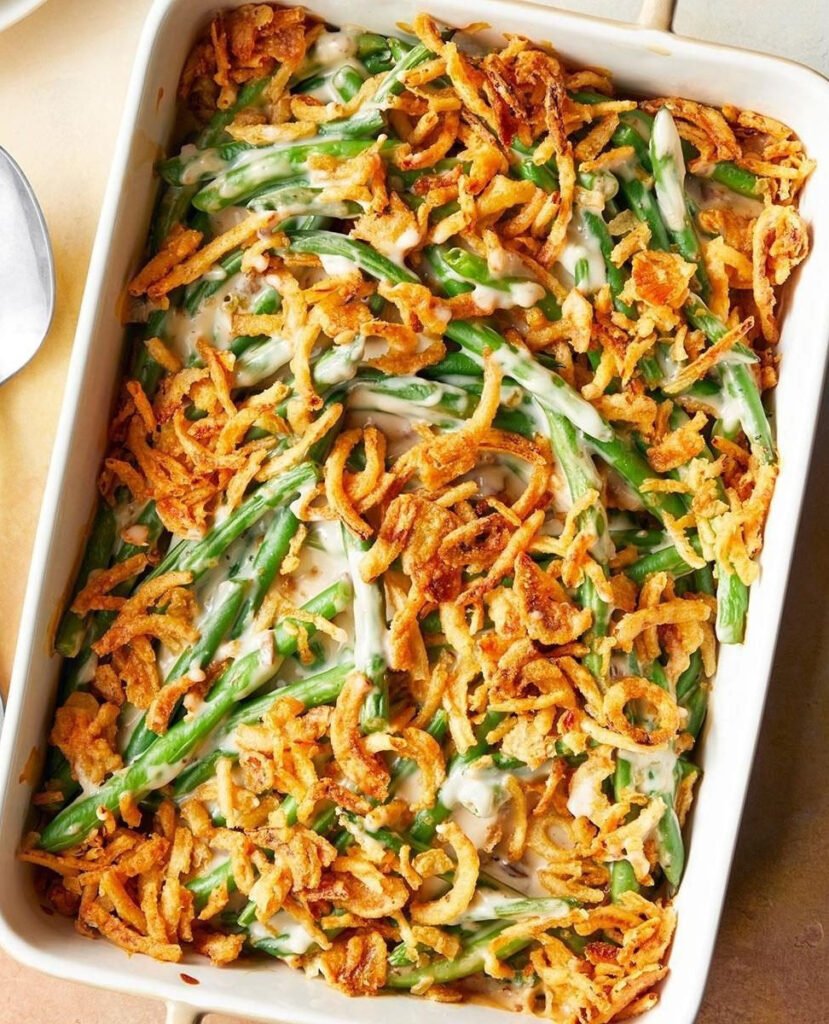
Green bean casserole is all about contrast. The beans should still have some bite, the sauce should coat rather than drown them, and the fried onion topping should stay crisp.
Start with green beans that have been briefly cooked, then fold them into a savory mushroom-style cream sauce.
Top with crisp onions near the end of baking rather than burying them under the sauce from the beginning. That keeps the topping crunchy instead of soft.
Swap: If you prefer a fresher version, use sautéed mushrooms, garlic, and a simple cream sauce instead of condensed soup.
This side can be assembled ahead, but hold back the crisp onions until you are ready to bake.
It works especially well on a Christmas table because you can prepare most of it before the main roast needs your attention.
9. Sausage and Herb Stuffing
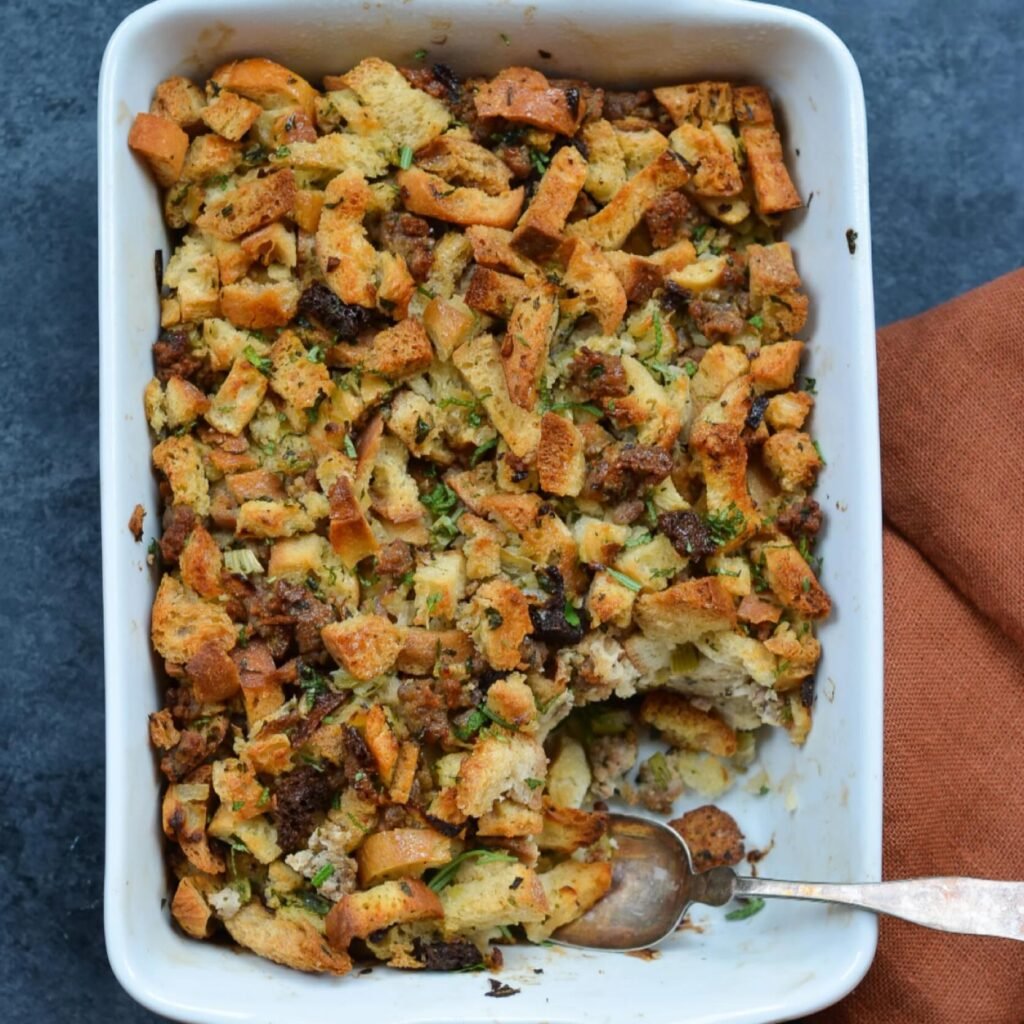
Sausage and herb stuffing needs dry bread. Fresh soft bread absorbs liquid too quickly and can leave the center heavy instead of tender with crisp edges.
Brown the sausage first, then cook onion and celery in the flavorful fat left behind. Add herbs such as sage, parsley, rosemary, or thyme before tossing everything with dried bread cubes.
Pour in stock gradually.
You want the bread moist enough to hold together in places, but not swimming in liquid. Bake until the center is hot and the top pieces have browned.
Make ahead: Dry the bread and cook the sausage mixture the day before. Combine everything closer to baking time.
This stuffing has enough savory depth to stand beside turkey, chicken, or ham, and the browned top gives the softer Christmas sides some needed texture.
10. Roasted Brussels Sprouts with Bacon
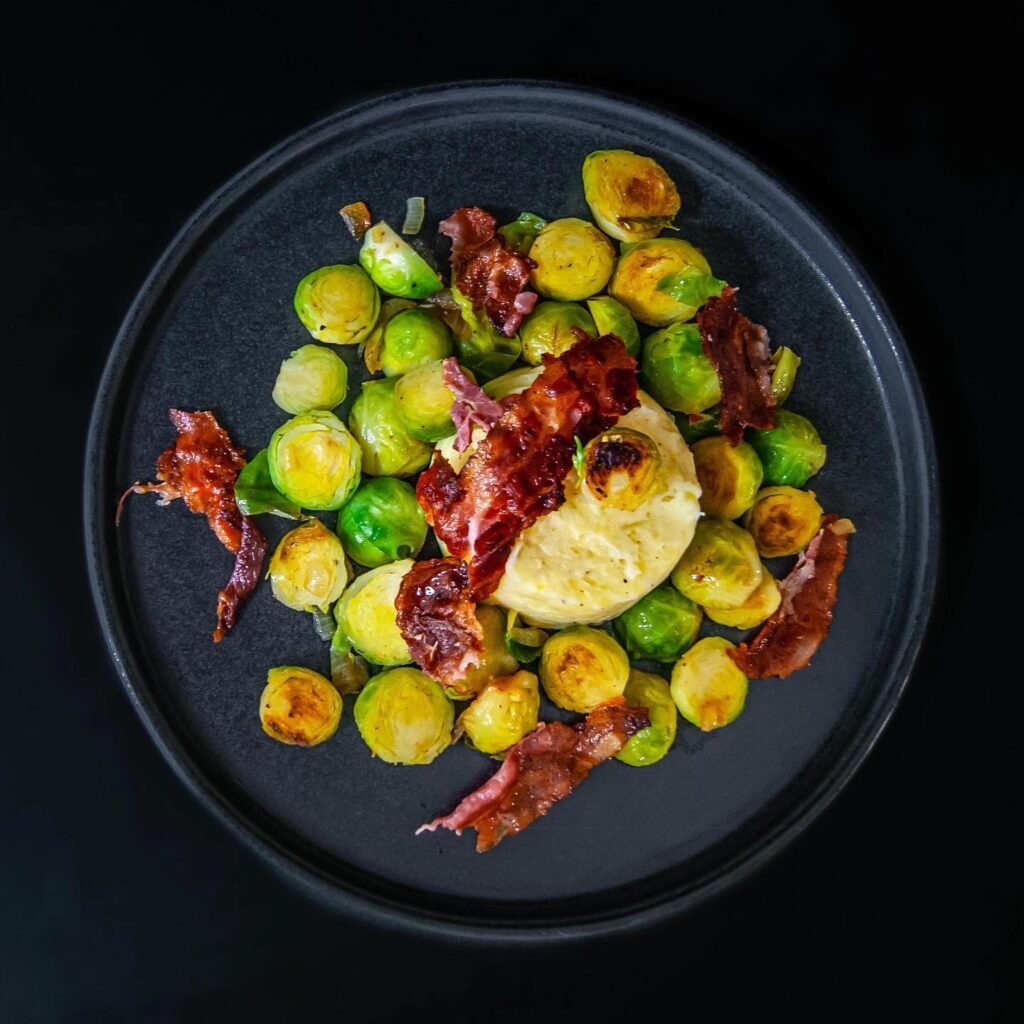
Brussels sprouts and bacon work because each fixes something the other lacks. The sprouts bring a slight bitterness and firm texture, while bacon supplies salt and fat.
Halve the Brussels sprouts so the cut sides make direct contact with the hot pan. Toss them lightly with oil, pepper, and only a modest amount of salt since the bacon will add more.
Roast until the cut surfaces have browned and the centers are tender.
Add cooked bacon toward the end so it stays crisp rather than becoming chewy during a long roast.
A splash of balsamic vinegar or lemon juice before serving can sharpen the whole dish.
For Christmas dinner, this side is especially useful beside rich mains such as glazed ham or prime rib because the slightly bitter greens keep the plate from feeling one-note.
11. Honey Glazed Carrots
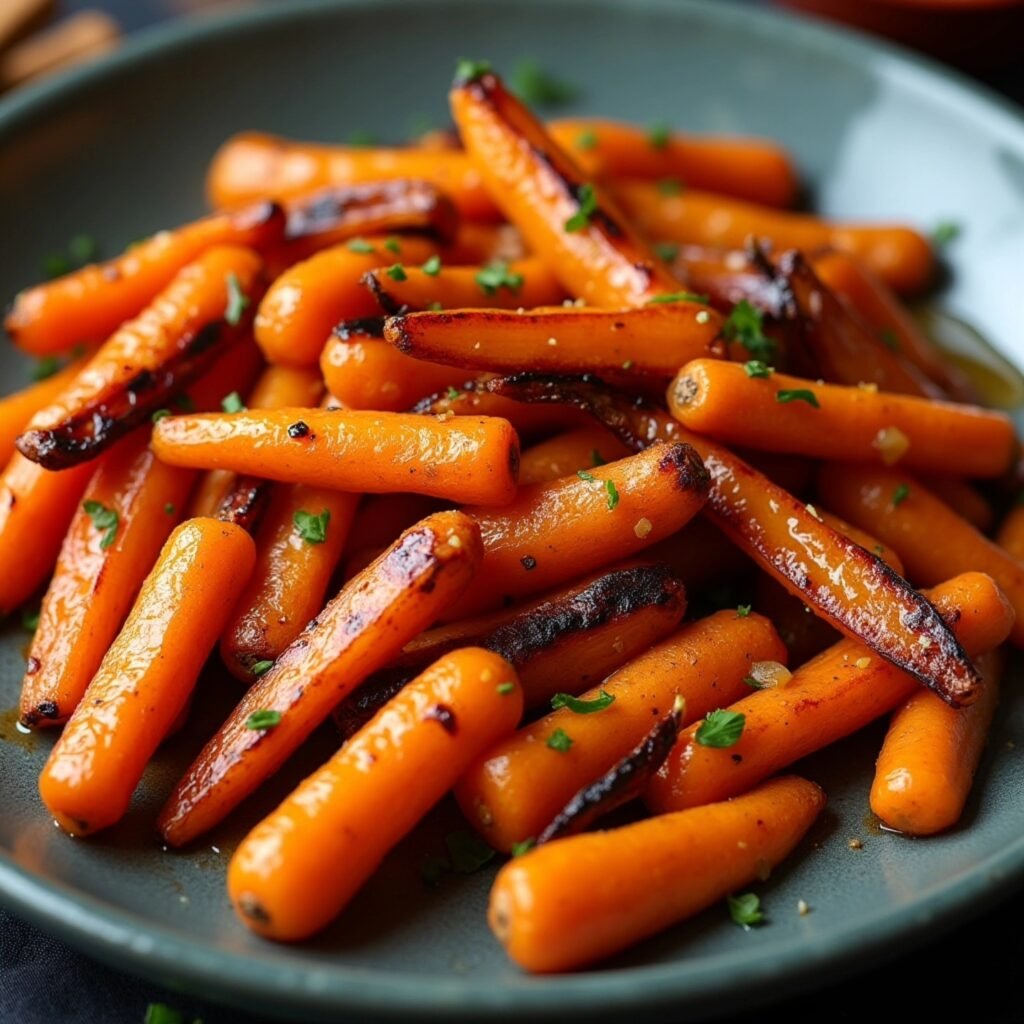
Honey glazed carrots rely on reducing the glaze enough that it clings instead of pooling underneath the vegetables. Honey brings sweetness, but butter, salt, and a small amount of acidity keep the dish balanced.
Cook the carrots until just tender, then finish them with the glaze rather than simmering them in sugar from the start.
A good finishing mix can include honey, butter, black pepper, and a squeeze of lemon or orange.
For deeper flavor: Let the carrots catch a little color in the pan or oven before adding the final glaze.
Fresh parsley works well at the end, but the carrots do not need much else.
This is one of the simpler Christmas sides to scale up. Use a larger tray rather than crowding a small one, since crowded carrots steam instead of browning.
12. Cranberry Sauce
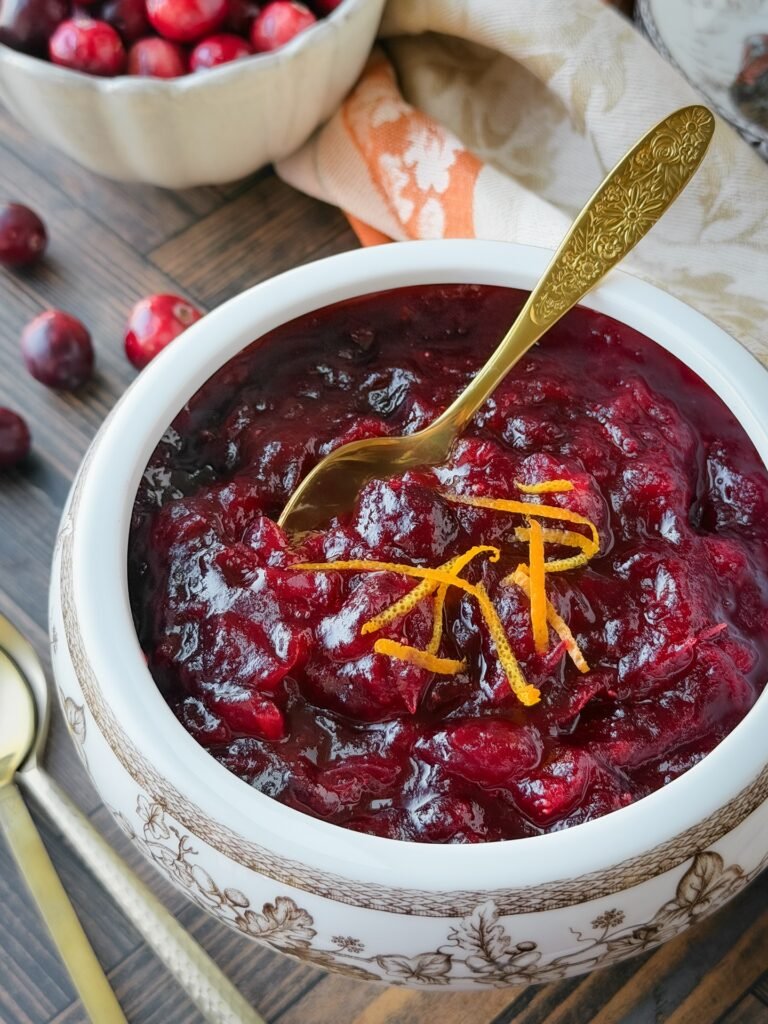
Cranberry sauce is the sharp, tart thing that keeps a Christmas plate from becoming too rich. It needs sweetness, but it should still taste recognizably like cranberry.
Fresh cranberries naturally break down as they cook, so there is no need for thickeners.
Simmer them with sugar and a little water or citrus juice until most of the berries burst and the sauce begins to thicken. It will firm up further as it cools.
Orange zest adds a useful citrus note, while warm spices can be added lightly if you want a more festive profile.
Make ahead: This is one of the best dishes to prepare several days before Christmas. Chill it completely, then bring it out shortly before serving.
Leftover cranberry sauce also works well in sandwiches with turkey, ham, or soft cheese.
13. Christmas Dinner Rolls
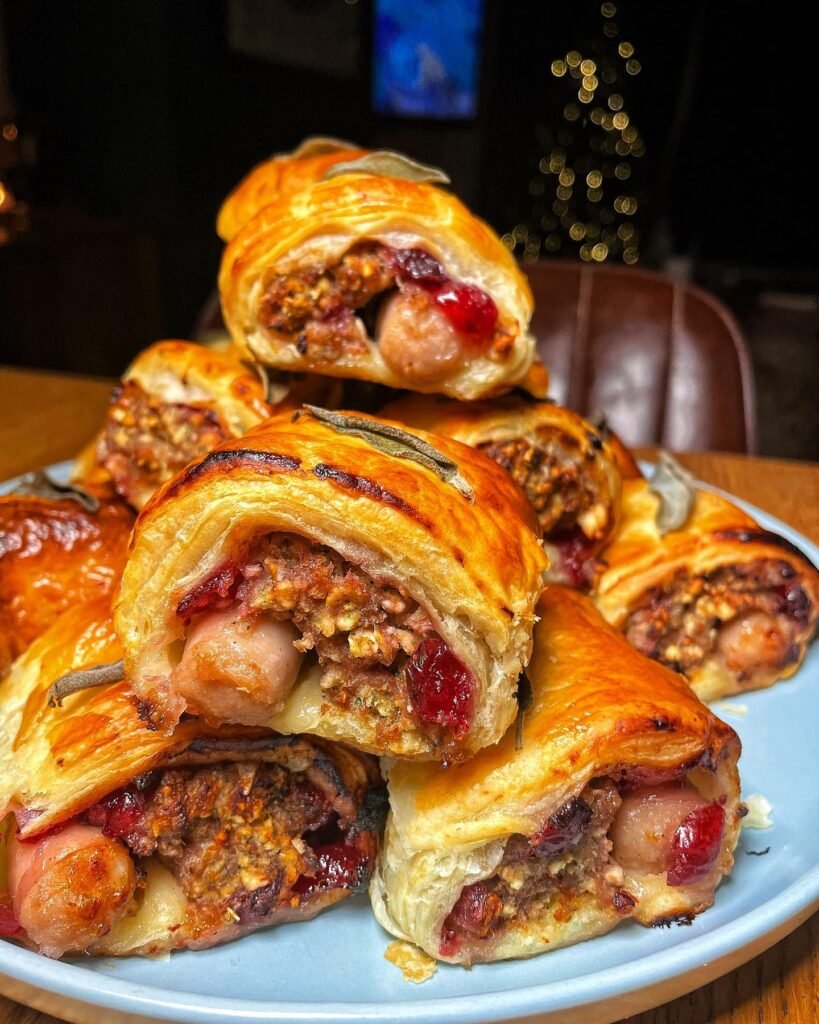
Christmas dinner rolls should be soft enough to pull apart easily but sturdy enough to mop up gravy without collapsing. Milk, butter, and a slightly enriched dough help create that tender crumb.
Mix and knead the dough until smooth, then let it rise until noticeably puffy.
Shape the rolls evenly and arrange them close together so they rise upward and develop soft sides. After a second rise, bake until the tops are well browned.
Brush with melted butter while they are still warm.
Make ahead: Shape the rolls earlier, refrigerate them, then allow them time to come back toward room temperature and finish rising before baking.
Serve these alongside roast turkey, ham, or beef, and keep a few back if you can. They are useful the next day for small Christmas leftover sandwiches.
14. Baked Mac and Cheese
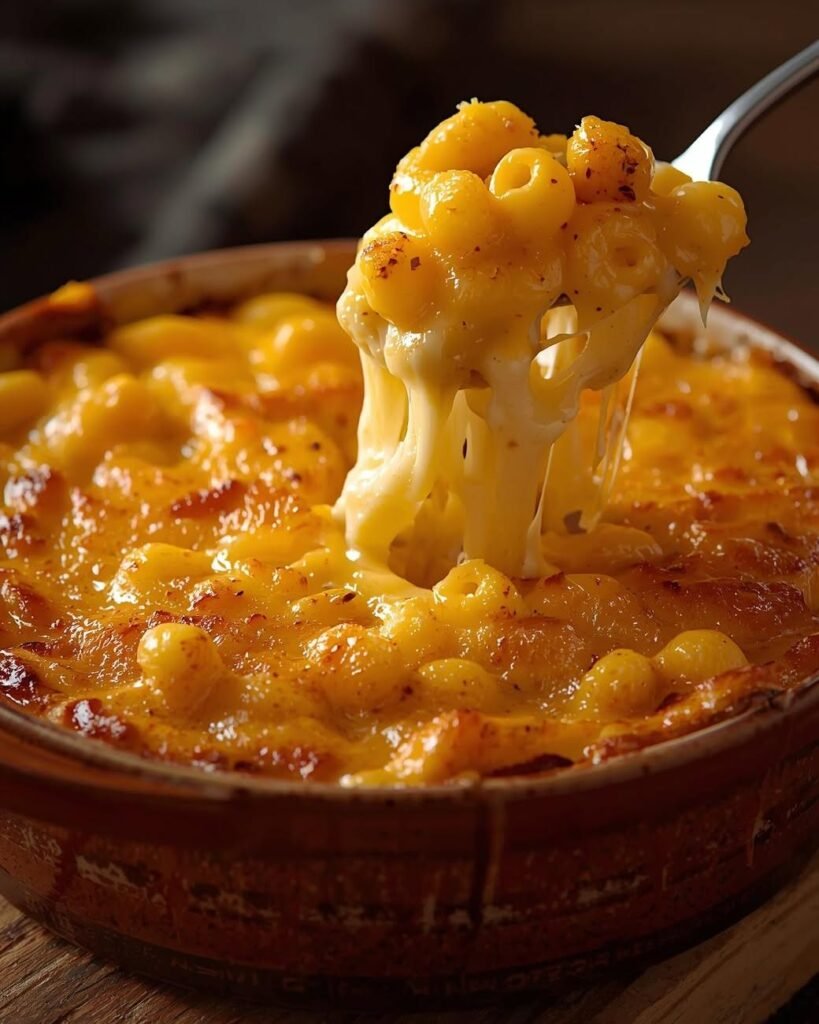
Baked mac and cheese belongs on a Christmas table when you want one unapologetically rich side among the vegetables and roast meats. The main job is keeping the cheese sauce smooth and the pasta from turning soft during baking.
Cook the pasta slightly less than you normally would because it will continue cooking in the oven.
Make a creamy cheese sauce, stir in the pasta, then transfer everything to a baking dish. Add extra cheese on top and bake until the center is hot and the surface has browned in spots.
Cheese tip: Use a good melting cheese for the base, then add a sharper cheese for stronger flavor.
Do not bake it far longer than needed. Extended oven time dries the sauce and makes the pasta swell.
This pairs especially well with ham, roast chicken, or turkey.
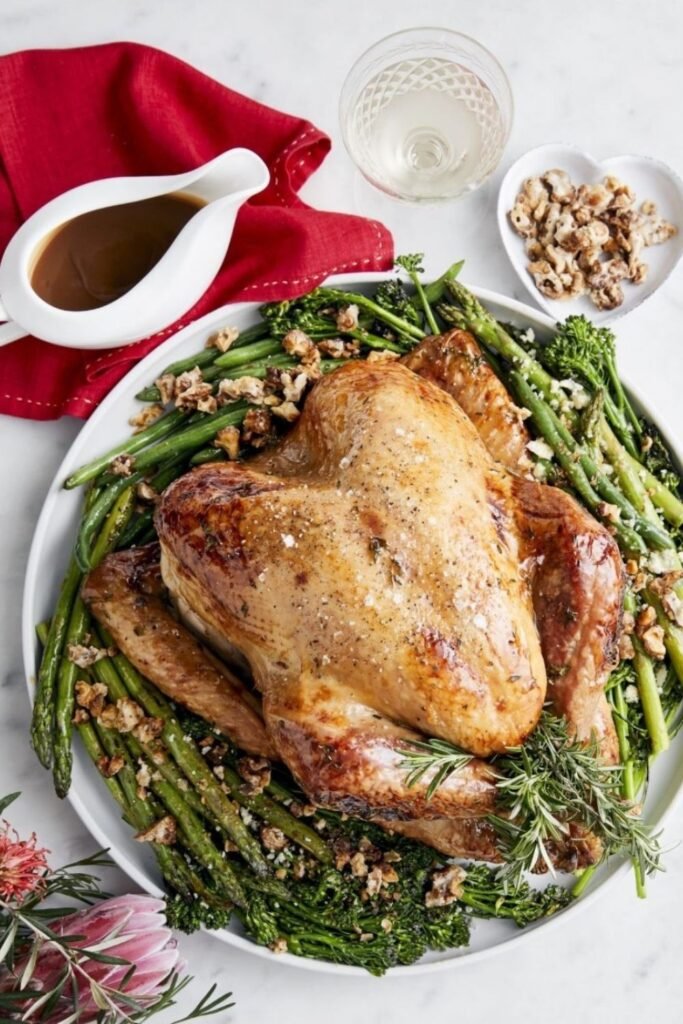
15. Roast Turkey with Herb Butter
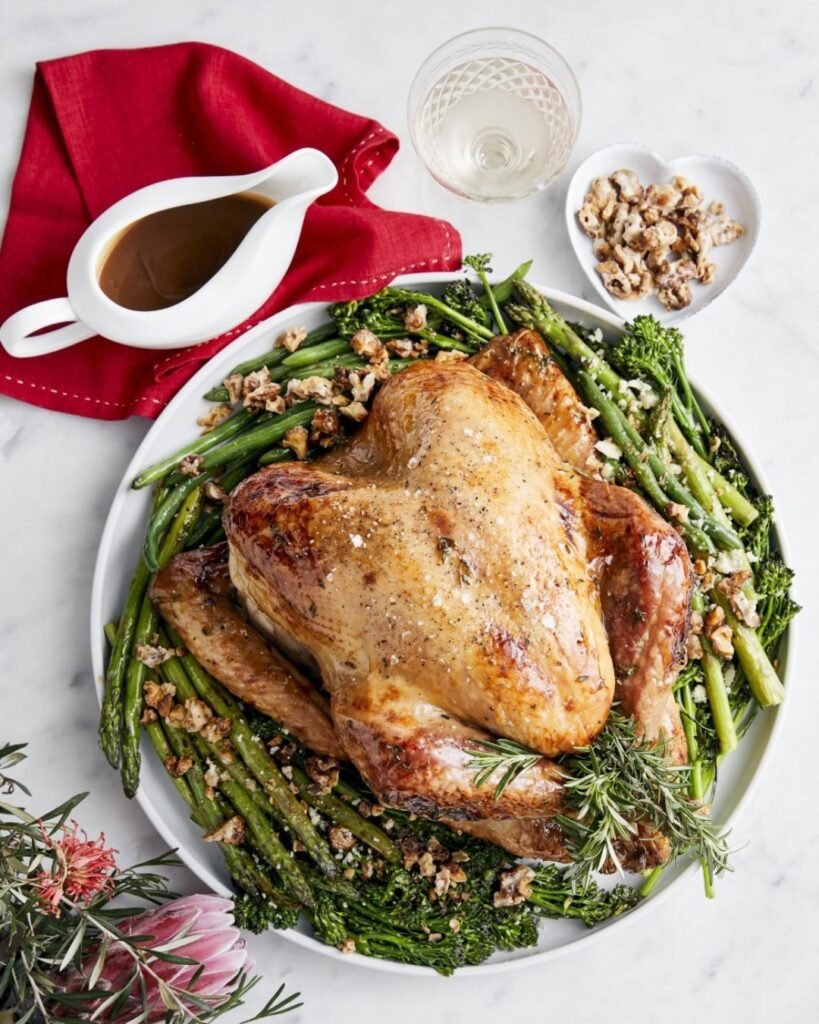
Roast turkey with herb butter is a Christmas centerpiece that rewards preparation more than constant fussing. Salt, butter, herbs, and careful roasting are enough to give you moist meat and well-browned skin.
Mix softened butter with garlic, pepper, and herbs such as rosemary, thyme, or sage. Rub it over the turkey and, where practical, beneath the skin over the breast.
Roast until the thickest parts reach a safe internal temperature of 74°C or 165°F.
Then stop.
Let the turkey rest before carving so the juices have time to redistribute. Cover it loosely rather than wrapping it tightly, which can soften the skin.
While it rests, finish the gravy and warm the side dishes. That resting window is one of the most useful pieces of timing you get on Christmas Day.
Final Thoughts On These Christmas Dinner Recipes
The easiest way to build Christmas dinner is to start with the main dish and let the sides fill in the gaps. Prime rib and ham suit richer potatoes, while turkey works especially well with stuffing, cranberry sauce, and green beans. For a lighter table, salmon and roasted vegetables make a useful change.
Pick the dishes that fit your guest list and oven space rather than trying to cook everything at once. Save these Christmas dinner recipes for when you start planning your holiday menu.