How To Make This Mary Berry Sourdough Bread
- Begin by preparing the starter, which forms the foundation of this sourdough. In a large bowl, combine 1¼ cups (125g) dark rye flour, 1 cup (125g) bread flour, 1 tsp fast-acting dried yeast, and 1¼ cups (300ml) slightly warm water.
- Mix these ingredients thoroughly, then cover the bowl with plastic wrap and let it rest at room temperature for 24 hours. This resting period allows the starter to develop flavor and activate the yeast, creating the characteristic sourdough taste without requiring a traditional multi-day fermentation process.
- The next day, add the remaining loaf ingredients to your starter: 2¾ cups (350g) bread flour, 1 tsp fast-acting dried yeast, 2 tsps salt, and ⅔ cup (150ml) slightly warm water.
- Mix everything into a unified dough, then transfer it to a floured surface and knead for approximately 10 minutes until the dough becomes smooth and elastic. Place the kneaded dough into an oiled bowl, cover it, and allow it to rise for about 1 hour until it has doubled in size.
- Once the dough has risen, shape it into either a round or oblong loaf and transfer it to a floured, parchment-lined baking sheet. Cover with a tea towel and let it rise for a second time, approximately 1 hour.
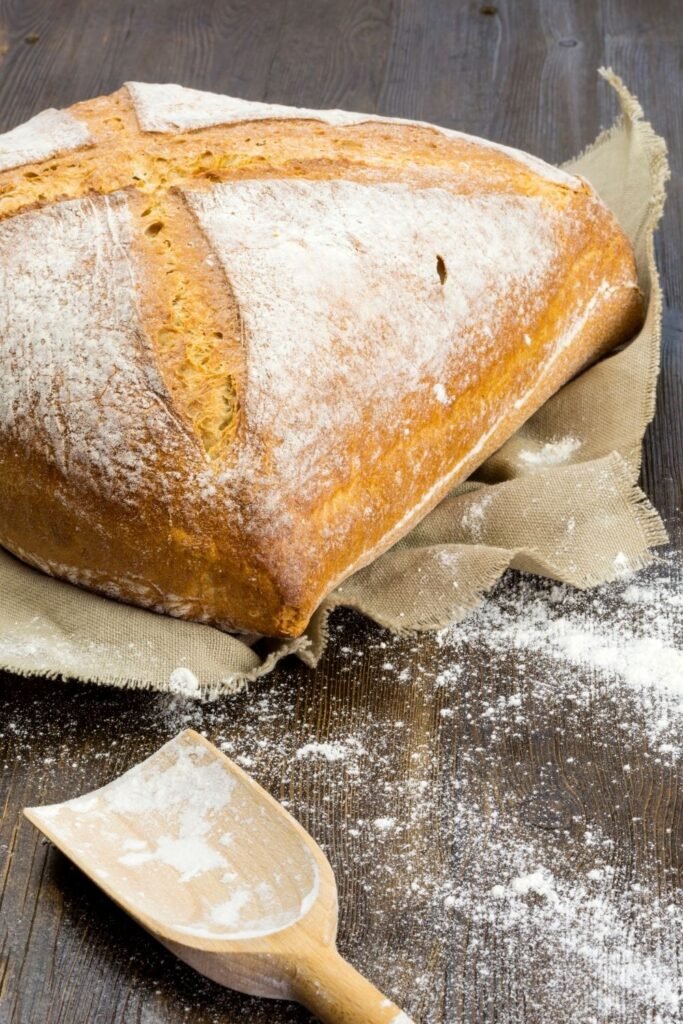
- Preheat your oven to 425°F. Before baking, dust the dough generously with flour and slash a cross into the top with a sharp knife. Place the loaf in the oven on a rack above a second baking sheet containing a few ice cubes to generate steam, which creates the characteristic crispy crust. Bake for 30–35 minutes until the loaf sounds hollow when tapped on the bottom.
For the Starter:
- 1¼ cups 125g dark rye flour
- 1 cup 125g bread flour
- 1 tsp fast-acting dried yeast
- 1¼ cups 300ml slightly warm water
For the Loaf:
- 2¾ cups 350g bread flour, plus extra for dusting
- 1 tsp fast-acting dried yeast
- 2 tsps salt
- ⅔ cup 150ml slightly warm water
Begin by preparing the starter, which forms the foundation of this sourdough. In a large bowl, combine 1¼ cups (125g) dark rye flour, 1 cup (125g) bread flour, 1 tsp fast-acting dried yeast, and 1¼ cups (300ml) slightly warm water.
Mix these ingredients thoroughly, then cover the bowl with plastic wrap and let it rest at room temperature for 24 hours. This resting period allows the starter to develop flavor and activate the yeast, creating the characteristic sourdough taste without requiring a traditional multi-day fermentation process.
The next day, add the remaining loaf ingredients to your starter: 2¾ cups (350g) bread flour, 1 tsp fast-acting dried yeast, 2 tsps salt, and ⅔ cup (150ml) slightly warm water.
Mix everything into a unified dough, then transfer it to a floured surface and knead for approximately 10 minutes until the dough becomes smooth and elastic. Place the kneaded dough into an oiled bowl, cover it, and allow it to rise for about 1 hour until it has doubled in size.
Once the dough has risen, shape it into either a round or oblong loaf and transfer it to a floured, parchment-lined baking sheet. Cover with a tea towel and let it rise for a second time, approximately 1 hour.
Preheat your oven to 425°F. Before baking, dust the dough generously with flour and slash a cross into the top with a sharp knife. Place the loaf in the oven on a rack above a second baking sheet containing a few ice cubes to generate steam, which creates the characteristic crispy crust. Bake for 30–35 minutes until the loaf sounds hollow when tapped on the bottom.
Is Sourdough Actually Healthier Than Regular Bread?
Mary Berry sourdough bread offers several health advantages over standard yeast bread. The natural fermentation process breaks down gluten and phytic acid, making nutrients more bioavailable and easier to digest. This longer fermentation in sourdough bread creates beneficial bacteria and organic acids that support gut health and may reduce digestive discomfort for some people.
The glycemic index of Mary Berry sourdough bread is lower than regular bread, meaning it causes a slower, more gradual rise in blood sugar levels. This makes sourdough a better choice for managing energy levels and appetite throughout the day. The lactic acid produced during fermentation also helps preserve the bread naturally, keeping it fresh longer without artificial preservatives.
However, Mary Berry sourdough bread isn’t automatically healthier in all aspects. It still contains similar calories and carbohydrates to regular bread. The health benefits depend largely on using quality wholegrain flour rather than refined white flour. While sourdough bread does offer digestive and nutritional advantages, portion control and overall diet quality matter more than bread type alone. The fermentation process makes it gentler on digestion, but it’s not a miracle food.
Is Sourdough Actually Healthier Than Regular Bread?
Mary Berry sourdough bread offers several health advantages over standard yeast bread. The natural fermentation process breaks down gluten and phytic acid, making nutrients more bioavailable and easier to digest. This longer fermentation in sourdough bread creates beneficial bacteria and organic acids that support gut health and may reduce digestive discomfort for some people.
The glycemic index of Mary Berry sourdough bread is lower than regular bread, meaning it causes a slower, more gradual rise in blood sugar levels. This makes sourdough a better choice for managing energy levels and appetite throughout the day. The lactic acid produced during fermentation also helps preserve the bread naturally, keeping it fresh longer without artificial preservatives.
However, Mary Berry sourdough bread isn’t automatically healthier in all aspects. It still contains similar calories and carbohydrates to regular bread. The health benefits depend largely on using quality wholegrain flour rather than refined white flour. While sourdough bread does offer digestive and nutritional advantages, portion control and overall diet quality matter more than bread type alone. The fermentation process makes it gentler on digestion, but it’s not a miracle food.
Mary Berry Sourdough Bread Substitutions And Variations
Why stick to the exact recipe when sourdough is practically begging you to experiment? I’m telling you, swap half the bread flour for whole wheat if you want something heartier, more rustic. You could throw in seeds—sunflower, pumpkin, sesame—for crunch and flavor. Some bakers add honey for sweetness, though I find that almost cheating. Want a tangier loaf? Let your starter ferment longer, maybe an extra day. If you’re out of rye flour, use all bread flour instead. The bread won’t have that deep complexity, sure, but it’ll still taste homemade and infinitely better than store-bought.
What To Serve With Mary Berry Sourdough Bread
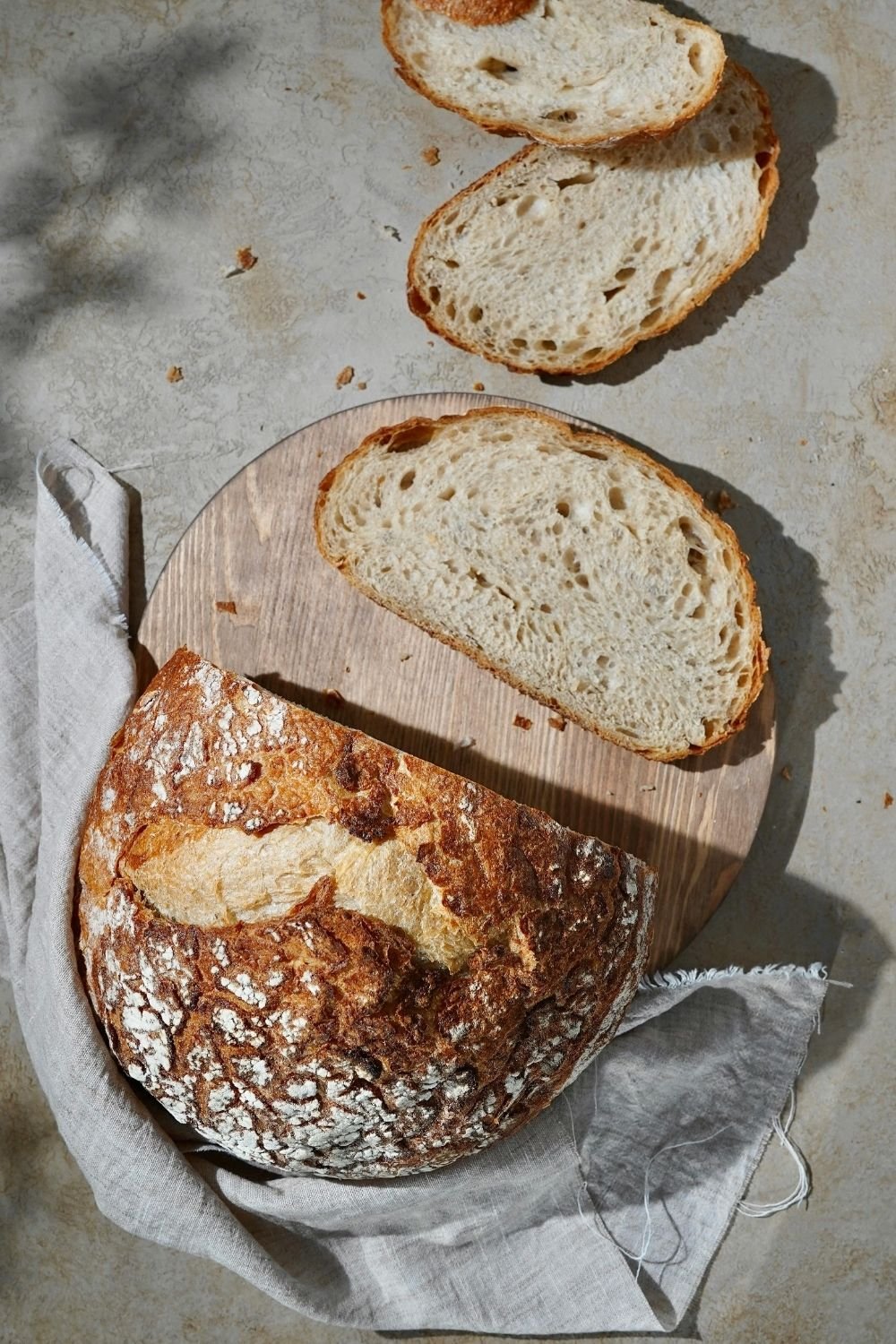
Honestly, good sourdough doesn’t need much company—it’s already the star of the show. But if you’re looking to pair it with something, I’d go classic: salted butter, good cheese, or olive oil with balsamic for dipping. It’s brilliant alongside soups, stews, or hearty chilis where you can sop up every last drop. Toast it for breakfast with jam or avocado. Use it for proper sandwiches that won’t fall apart. Or do what I fantasize about doing—just tear off warm chunks and eat them plain, savoring that tangy flavor and chewy crust without any distractions whatsoever.
Final Thoughts
After all that mixing, waiting, and resisting the urge to check on your dough every five minutes, you’ll have figured out that Mary Berry’s sourdough isn’t some fussy, temperamental beast—it’s actually pretty forgiving. Sure, I might mess up the timing or get impatient with the starter, but the bread still turns out with that gorgeous crust and tangy flavor. It’s the kind of recipe that makes me feel accomplished without requiring a degree in bread science. Plus, nothing beats slicing into that first warm loaf. Worth every single minute of waiting, honestly.